

Transitional Interior Design: Style Guide
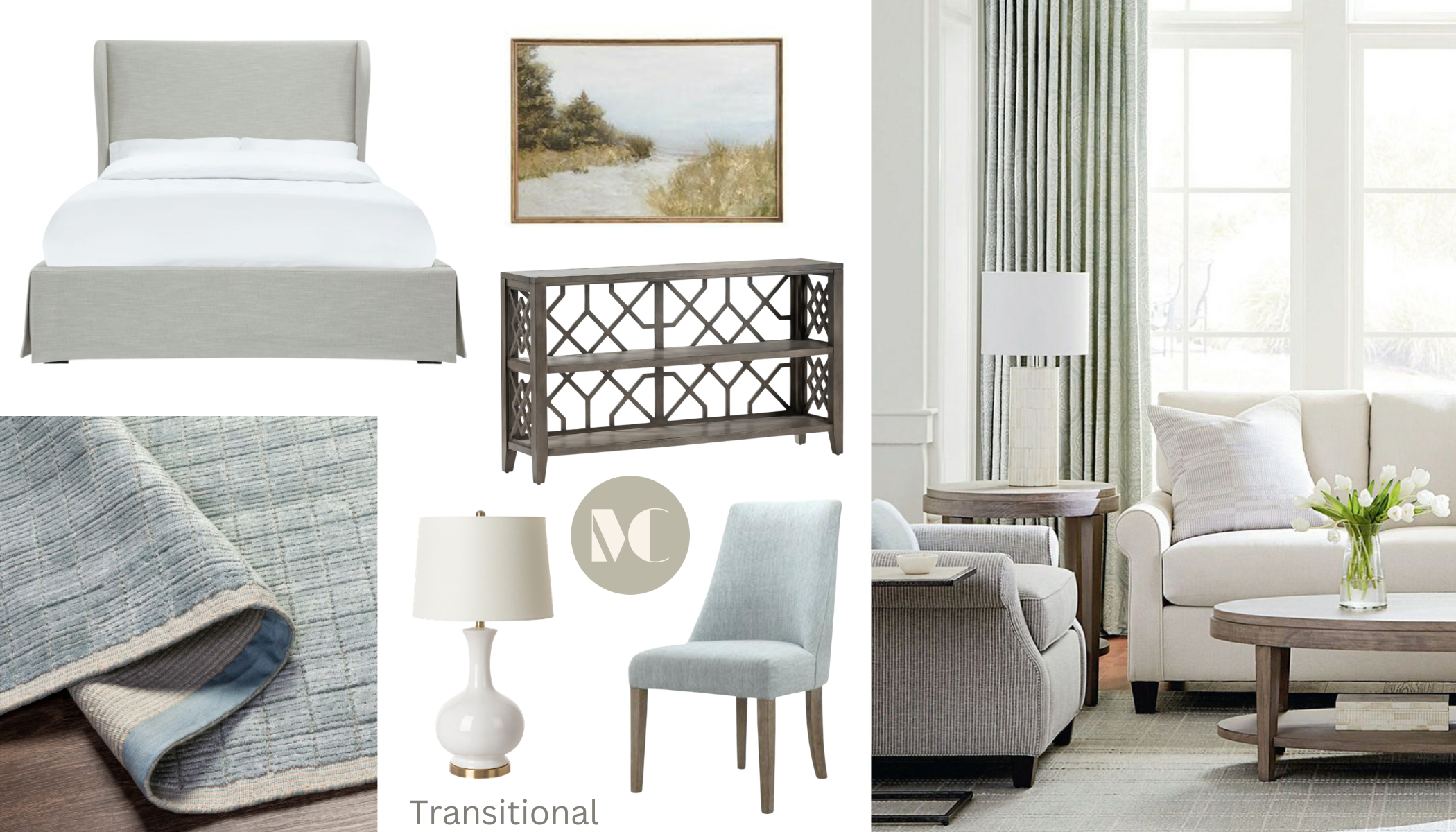
Are you searching for a design style that feels both timeless and current? Transitional interior design blends classic sophistication with modern simplicity through a thoughtful mix of furniture, finishes, materials, and fabrics. This versatile style creates spaces that feel polished yet comfortable, making it a popular choice for homeowners who want a look that won’t feel dated over time.
At Mickler & Co. Design Studio, we often incorporate transitional design in Wilmington, NC homes for clients looking to achieve an elevated, timeless aesthetic.

What Is Transitional Interior Design?
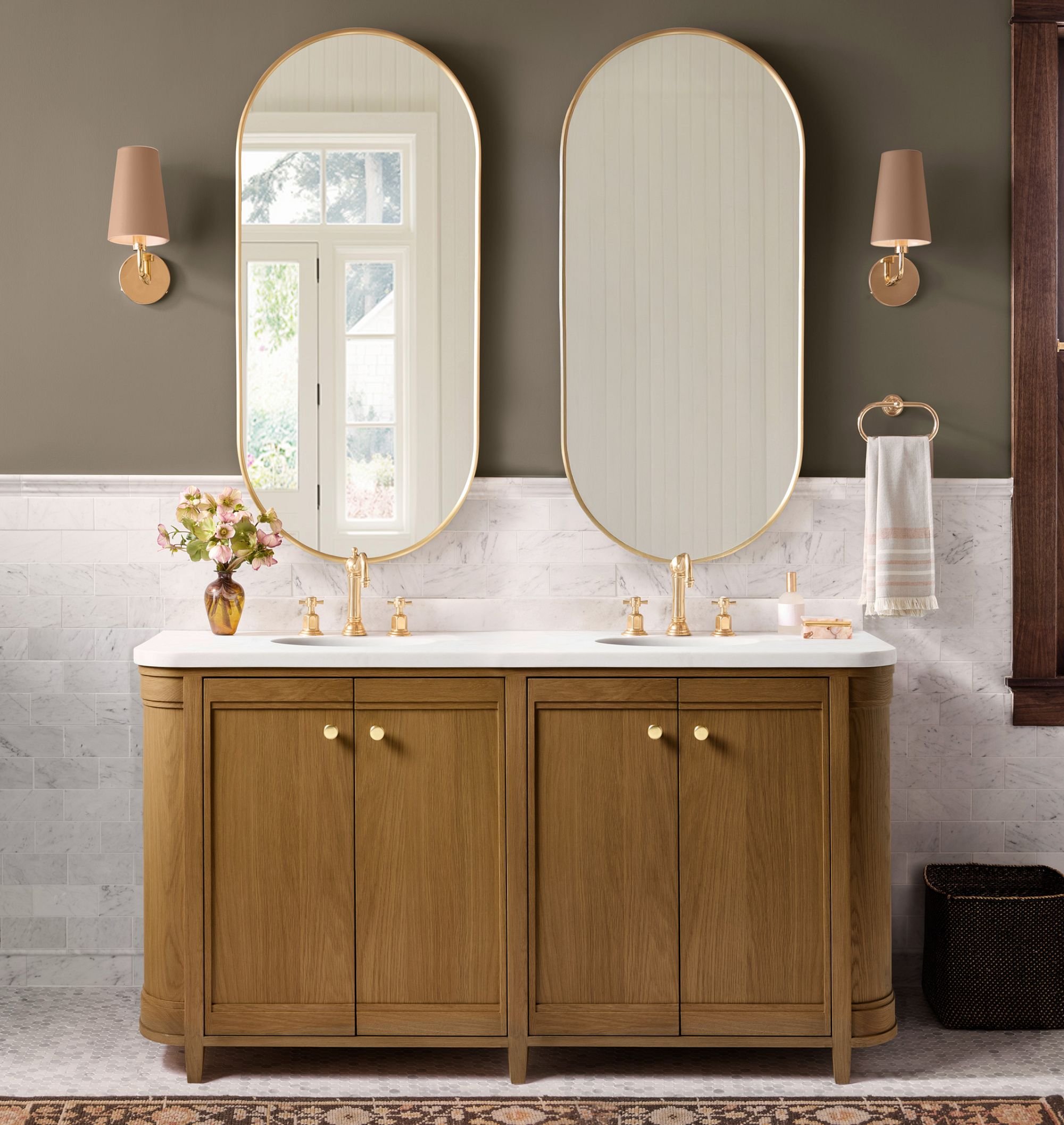
Transitional design is about striking the ideal balance between two seemingly opposing aesthetics. Rather than choosing between ornate traditional furniture and sleek contemporary minimalism, this style blends the elements to create spaces that feel clean, updated, and inviting. Imagine a classic tufted armchair upholstered in a modern performance fabric, a traditional wood console paired with sleek brass lighting, a neutral color palette layered with rich textures. This design approach celebrates the best of both worlds, combining the warmth and richness of traditional elements with the simplicity and clean lines of contemporary design.
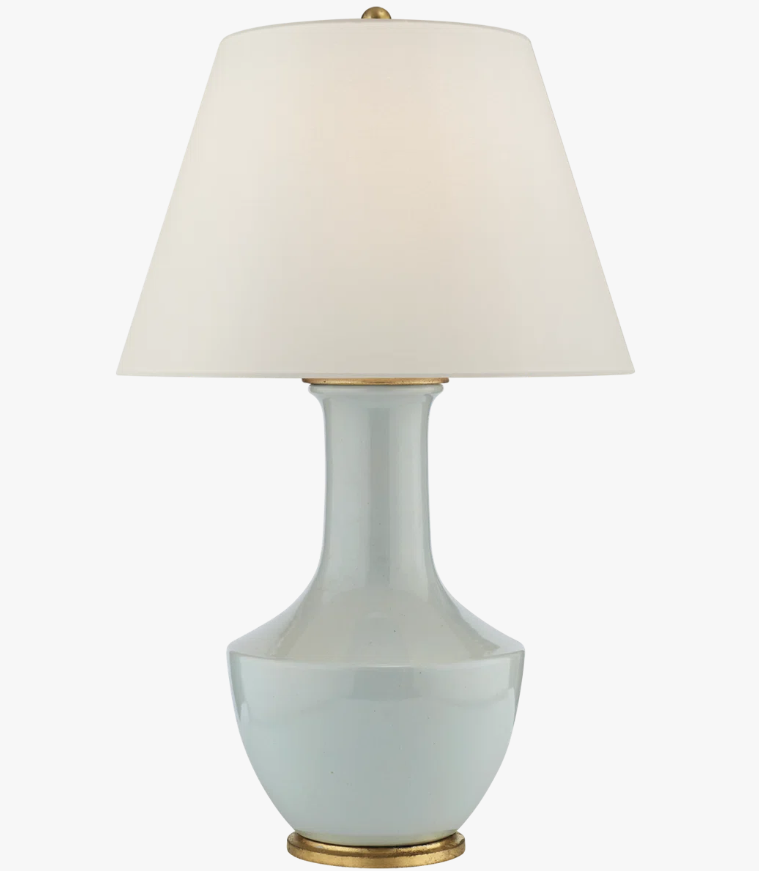
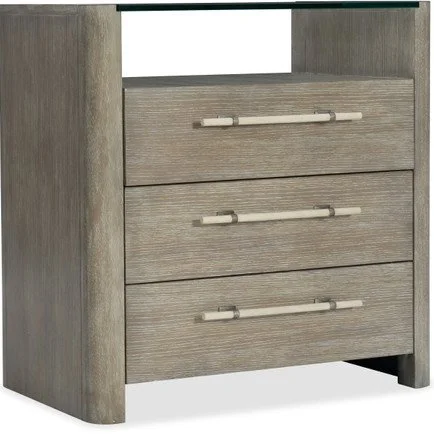
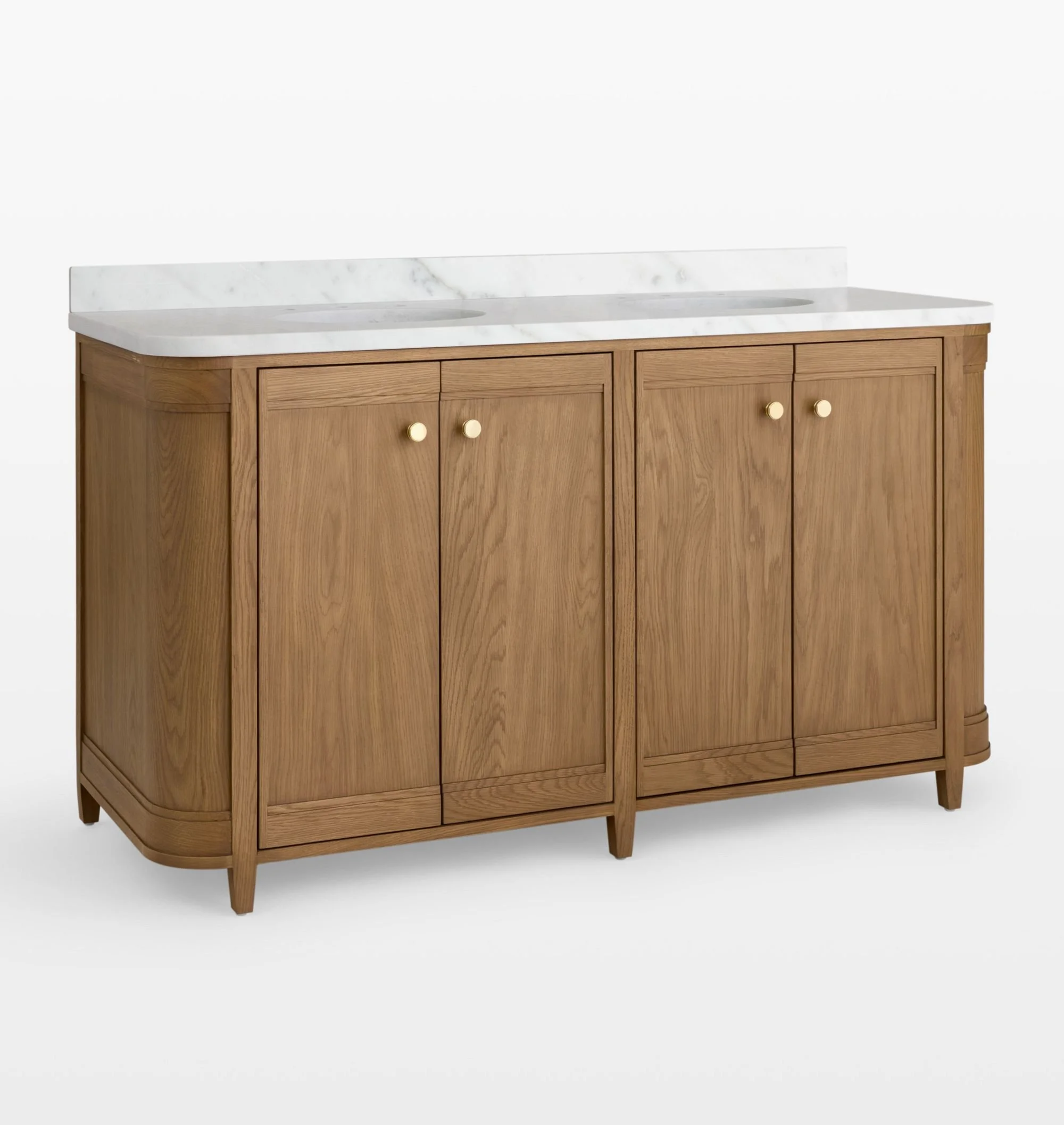
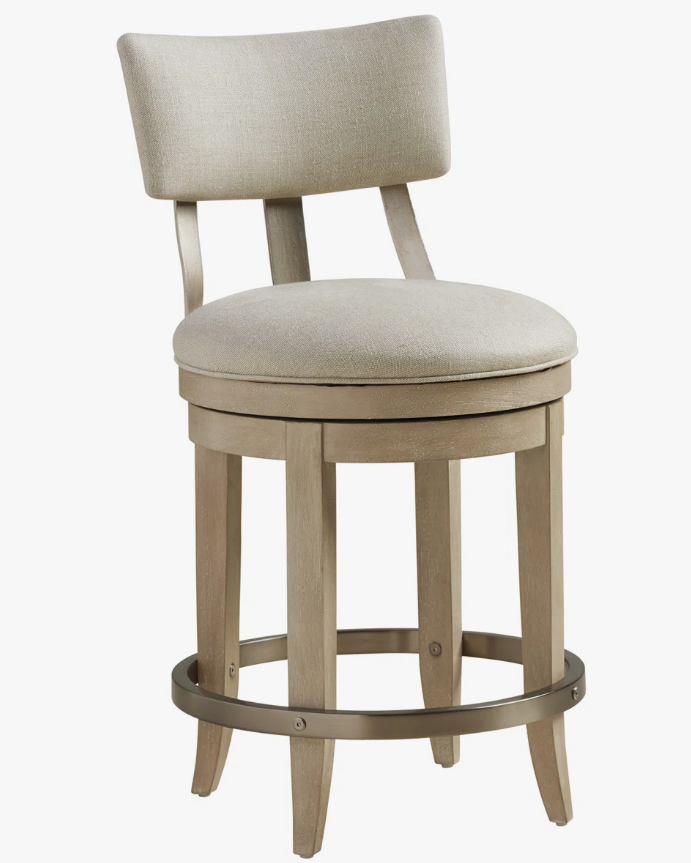
Shop our transitional favorites

Why Homeowners Are Drawn to Transitional Design
One of the reasons transitional interior design has remained so popular is its ability to feel both timeless and current. Rather than following short-lived decorating trends, transitional spaces blend classic architectural details with updated furnishings, creating rooms that feel comfortable, sophisticated, and effortlessly livable.
You may be drawn to transitional design if you:
Love classic homes but want a fresher, more updated look.
Prefer calm, neutral color palettes over bold trends.
Appreciate quality craftsmanship and timeless furniture.
Want a home that feels elegant without being overly formal.
Enjoy a balance of traditional warmth and modern simplicity.
Because transitional interiors focus on proportion, texture, and thoughtful layering instead of trendy finishes, they tend to age beautifully and remain stylish for years.
How to Create a Transitional Interior Design Style
Choose Updated Classic Furniture
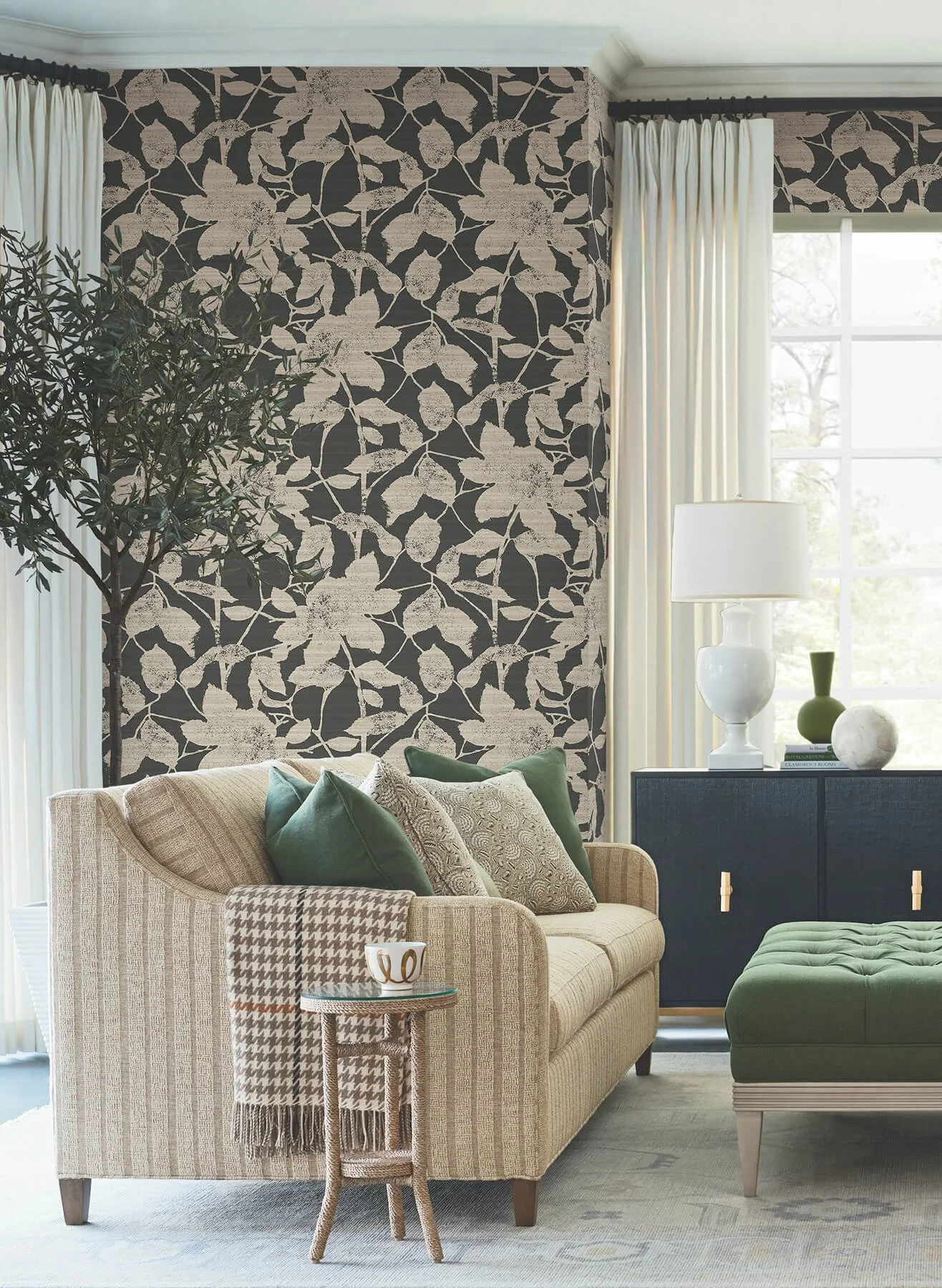
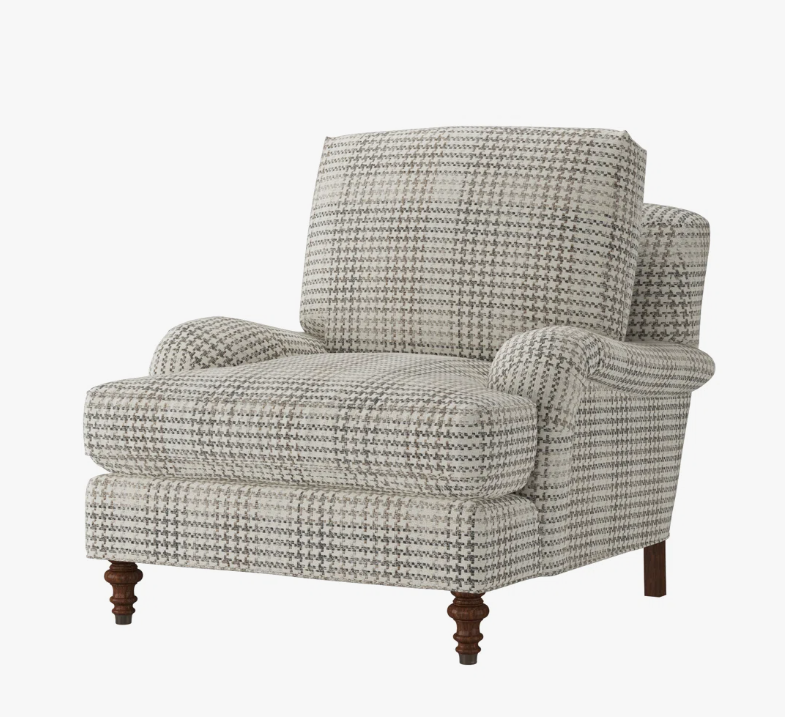
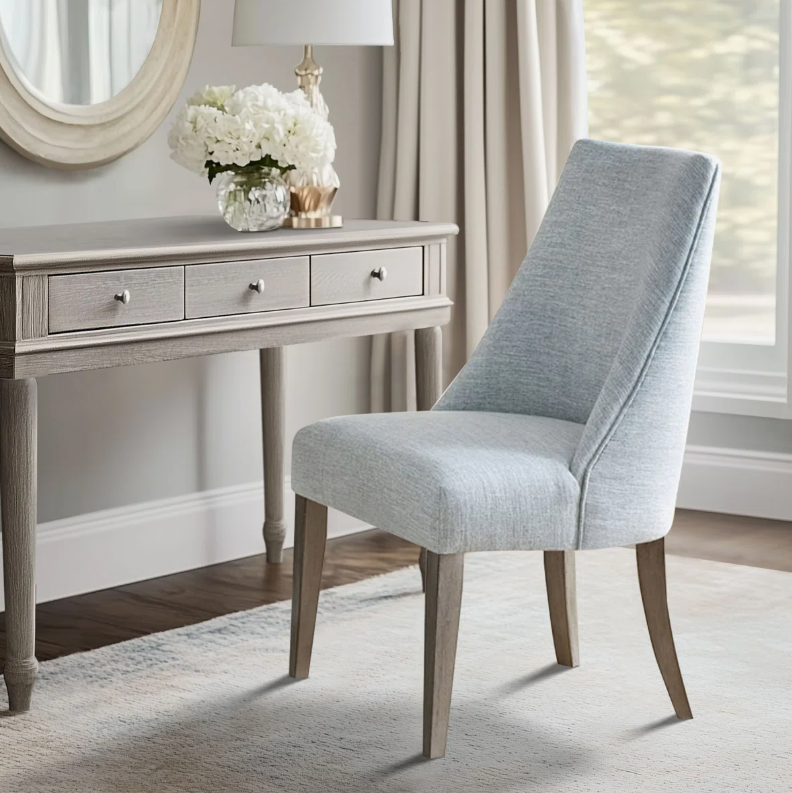
Transitional interiors often feature traditional furniture silhouettes with sleek updates. Think tufted chairs and wingback sofas in modern fabrics, or traditional case goods with simplified detailing. Furniture should feel sophisticated without appearing overly formal.
Select Modern Materials & patterns
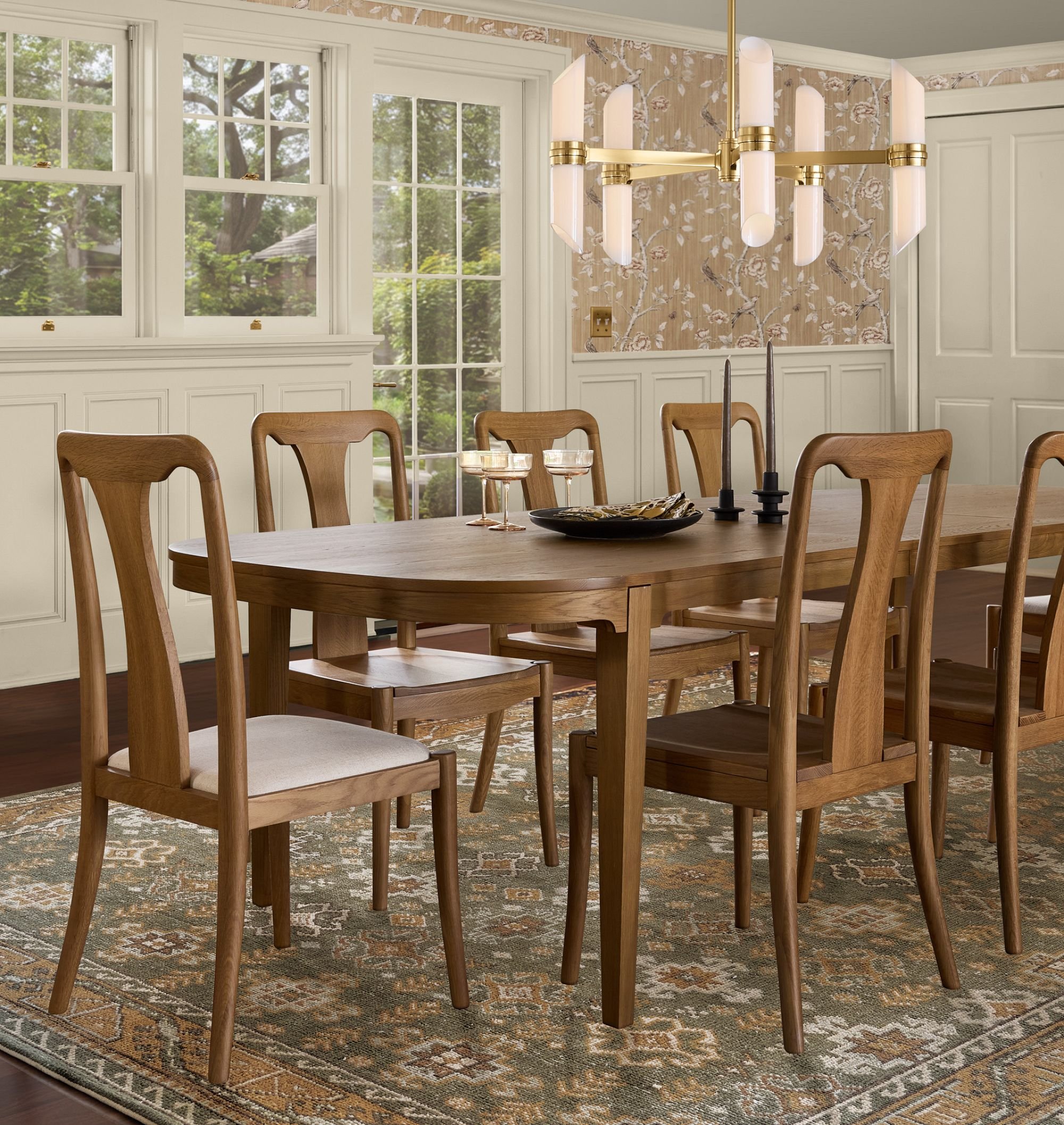
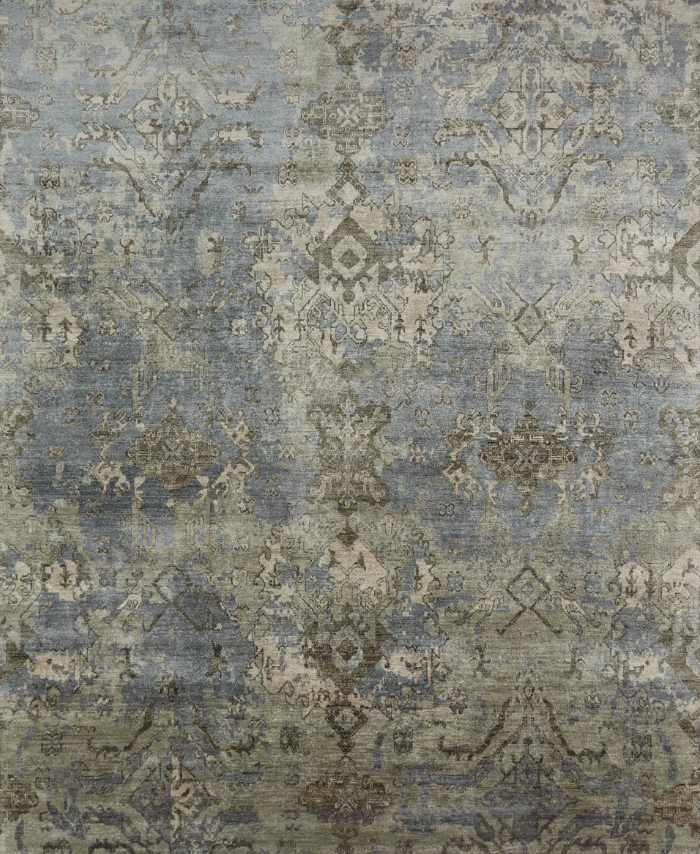
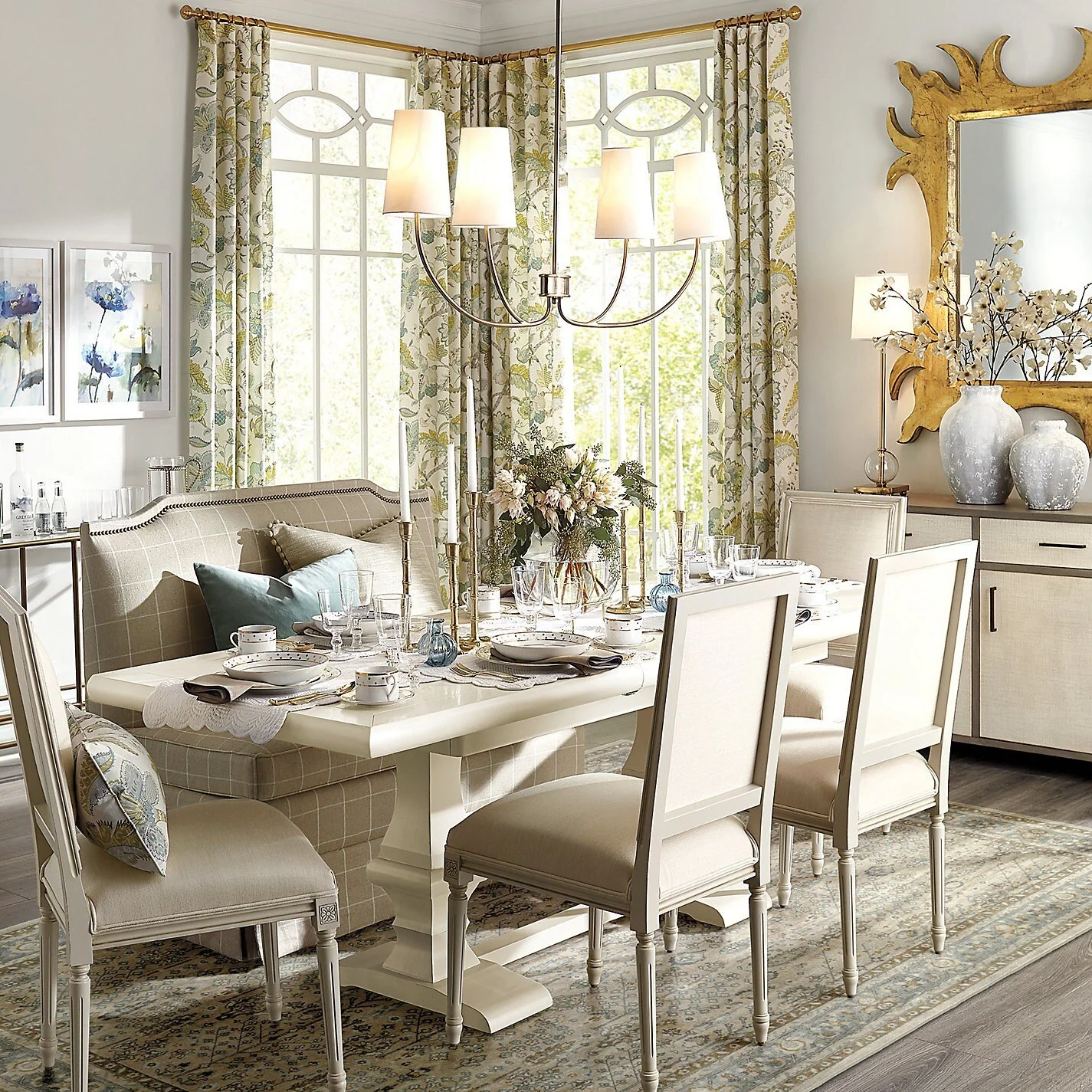
Updated floral prints, subtle Oriental rugs, and understated geometric patterns help bridge traditional and modern styles. Choose rugs and textiles with softened color palettes to keep the overall aesthetic fresh and cohesive.
Mix Traditional & Contemporary Decor
The beauty of transitional design comes from blending old and new. Pair a sleek coffee table with a vintage mirror, modern lighting with classic millwork, or contemporary accessories with traditional upholstery to create layered visual interest.
Incorporate Statement Lighting
Lighting is one of the easiest ways to modernize a transitional space. Choose updated chandeliers, sculptural pendants, or classic lamps with cleaner lines and refined finishes to elevate the room.
Use Cooler Wood Tones and Refined Finishes
To keep traditional elements feeling current, opt for cooler brown or gray-toned wood stains instead of heavily red or orange finishes. Mix metals like brushed nickel, matte black and brass for a modernized look.
Why COASTAL Transitional Design Works So Well in Coastal North Carolina Homes
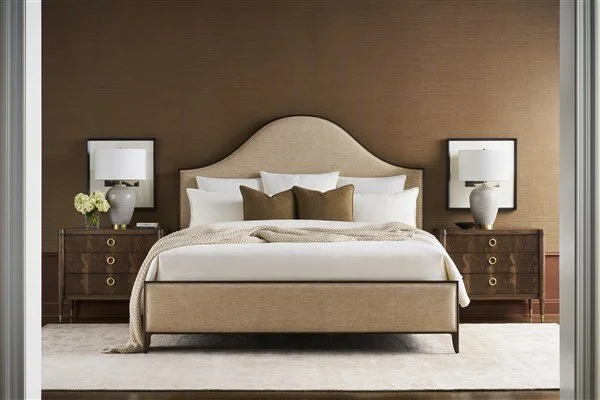
Transitional interior design is especially well suited to homes throughout Wilmington, Wrightsville Beach, Figure Eight Island, Landfall, and the surrounding coastal communities. The style complements open floor plans, abundant natural light, and indoor-outdoor living while maintaining a polished, timeless appearance.
Soft neutral palettes reflect coastal light beautifully, while natural materials like white oak, linen, woven textures, and warm metals create depth without feeling heavy. Rather than relying on overt beach décor, transitional interiors achieve a relaxed coastal feeling through texture, craftsmanship, and carefully curated furnishings.
For homeowners who want their spaces to feel elegant, welcoming, and appropriate year-round, transitional design offers the perfect balance between classic sophistication and modern coastal living.
Common Transitional Design Mistakes to Avoid
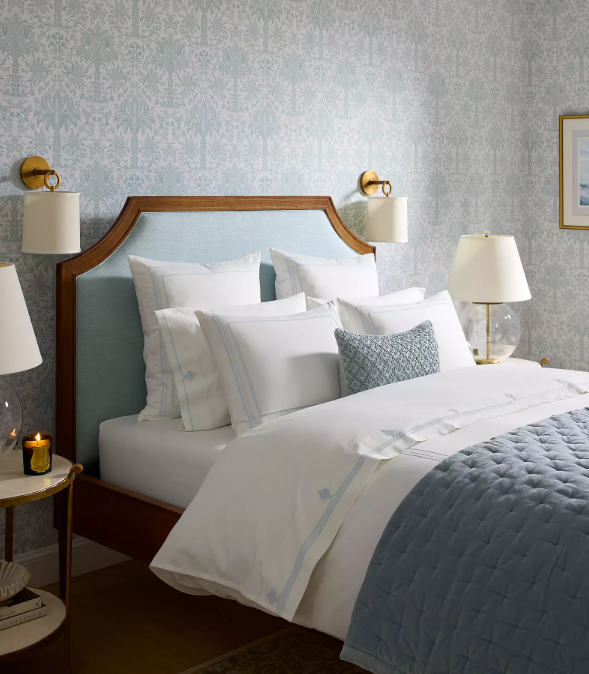
Although transitional interiors appear effortless, achieving the right balance requires thoughtful design decisions. Here are a few common mistakes homeowners often make:
Making Everything the Same Color
A neutral palette doesn't mean every surface should match. Layering multiple shades, textures, and materials creates warmth and visual depth.
Choosing Furniture That's Too Traditional
Heavy carvings, oversized details, and ornate silhouettes can quickly shift a room away from transitional style. Instead, select furniture with timeless proportions and simplified lines.
Forgetting Contrast
Rooms that lack darker accents, natural wood tones, or mixed materials can feel flat. Incorporating contrast through lighting, furniture finishes, artwork, or textiles creates balance.
Overlooking Texture
Texture is one of the defining characteristics of transitional design. Linen, woven fibers, wood, stone, leather, glass, and metal work together to create interest without overwhelming the space.
Following Every Trend
One of the greatest strengths of transitional design is its timelessness. Focus on quality materials and classic furnishings, then update accessories over time rather than redesigning entire rooms.
Explore Similar interior Design Styles
If you love transitional interiors, you may also enjoy these design styles:
Traditional Interior Design
Traditional interiors embrace classic architecture, rich wood finishes, elegant furnishings, and timeless details. If you prefer a slightly more formal look with historical influences, traditional design may be the perfect fit.
Explore our Traditional Interior Design Style Guide →
Contemporary Interior Design
Contemporary interiors feature clean lines, open spaces, and modern simplicity while maintaining warmth through natural materials and thoughtful styling. It's an excellent choice for homeowners who prefer a more streamlined aesthetic.
Explore our Contemporary Interior Design Style Guide →
Mid-Century Modern & Scandinavian Design
If you enjoy the clean simplicity of transitional spaces but want a more minimalist approach, Mid-Century Modern and Scandinavian interiors emphasize functionality, natural materials, and understated beauty.
Transitional Interior Design: Your Questions Answered
Q: What is the difference between Transitional and Traditional design?
A: Traditional design features ornate details, rich wood tones, and formal furniture arrangements. Transitional design takes those timeless traditional elements and updates them with cleaner lines, lighter color palettes, and a more relaxed, modern feel.
Q: What colors work best in transitional interiors?
A: Neutral palettes work best, including warm whites, beige, gray, taupe, and soft earthy tones. Accent colors are usually subtle and layered through decor and textiles.
Q: Is transitional design good for coastal homes?
A: Yes. Transitional design works beautifully in coastal homes because it combines relaxed comfort with elevated finishes. It’s a popular style choice in Wilmington, NC beach homes.
Q: Can you mix metals in transitional design?
A: Absolutely. Transitional interiors often combine metals like brass, black, chrome, and nickel to create depth and contrast while maintaining balance.
Q: Is transitional style going out of style?
A: No. Transitional design remains popular because it focuses on timeless elements rather than trends, making it one of the most enduring interior design styles.
Want a Home That Reflects Your Transitional Style?
Creating a beautifully balanced transitional home is about more than selecting the right furniture—it's about designing spaces that feel cohesive, timeless, and tailored to the way you live.
At Mickler & Co. Design Studio, we help homeowners create thoughtfully designed interiors that combine classic elegance with modern comfort. Whether you're furnishing a new home, remodeling, or simply refreshing your existing space, we'll develop a personalized design plan that reflects your style while maximizing function.
We offer both interior design services throughout Wilmington, NC, and the surrounding coastal communities, as well as virtual interior design & consultation services nationwide.
Ready to create a home you'll love for years to come? Contact Mickler & Co. Design Studio to schedule your consultation.