

Traditional Interior Design: Style Guide
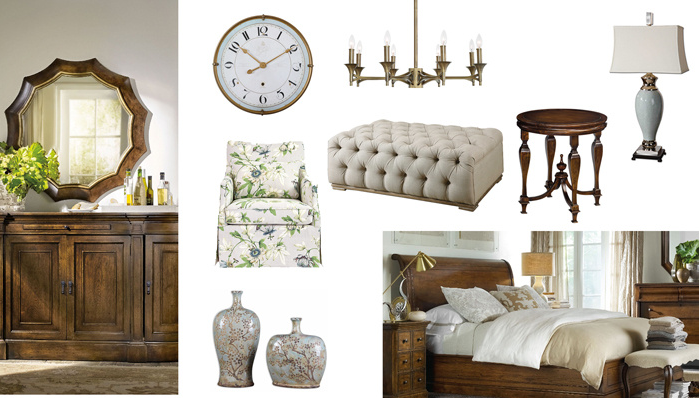
Traditional interior design creates a home that feels elegant, welcoming, and timeless. Whether you're furnishing a historic home, updating a formal living room, or designing a refined coastal retreat in Wilmington, NC, this classic design style helps create spaces that feel layered, sophisticated, and beautifully curated.
At Mickler & Co. Design Studio, we specialize in designing homes that blend traditional elegance with modern livability. From rich wood finishes and detailed millwork to custom furnishings and timeless textiles, we help homeowners create interiors that never go out of style.
What Is A Traditional Interior Design style?
Traditional interior design is inspired by 18th and 19th-century European décor and architecture. The style is known for its symmetry, rich materials, elegant furnishings, and classic details that create a warm and polished atmosphere.
Unlike trend-driven interiors, traditional spaces focus on timeless beauty and long-lasting design choices that continue to feel relevant year after year.
Why Homeowners Are Drawn to Traditional Design styles
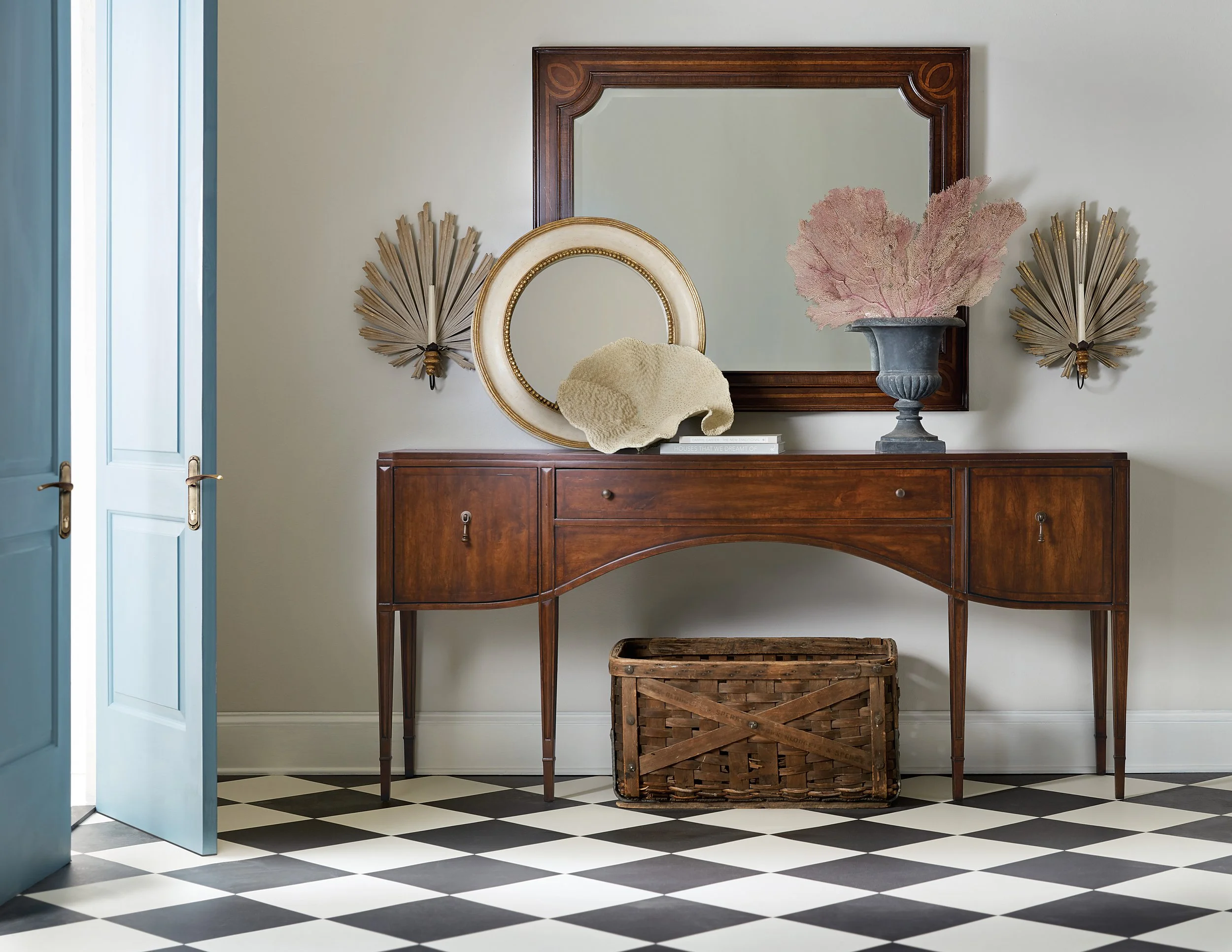
Traditional Design appeals to those who value timeless beauty, comfort, and a sense of permanence in their homes. Rather than chasing trends, Traditional interiors focus on classic furnishings, balanced layouts, and thoughtful details that feel welcoming year after year.
Homeowners who gravitate toward this style often appreciate:
Timeless design over fast-changing trends
Quality craftsmanship and lasting materials
Warm, inviting spaces that encourage gathering
Symmetry, order, and visual balance
Decorating with meaningful pieces that tell a story
The result is a home that feels elegant, collected, and effortlessly enduring.
Shop The Look

How to Create a Traditional Interior Design Style
Add Ornate Molding and Architectural Details
Architectural detailing is one of the signature features of traditional interior design. Elements like crown molding, paneled walls, decorative trim, arches, and columns instantly add character and sophistication to a space.
Incorporate Rich Wood Tones and Classic Finishes
Traditional interiors often feature rich stained woods like mahogany, walnut, and cherry to create warmth and timeless elegance. These darker wood finishes bring depth and craftsmanship into the home while helping the space feel grounded and inviting.
To keep the space feeling balanced and updated, pair darker woods with lighter wall colors, soft textiles, and layered lighting.
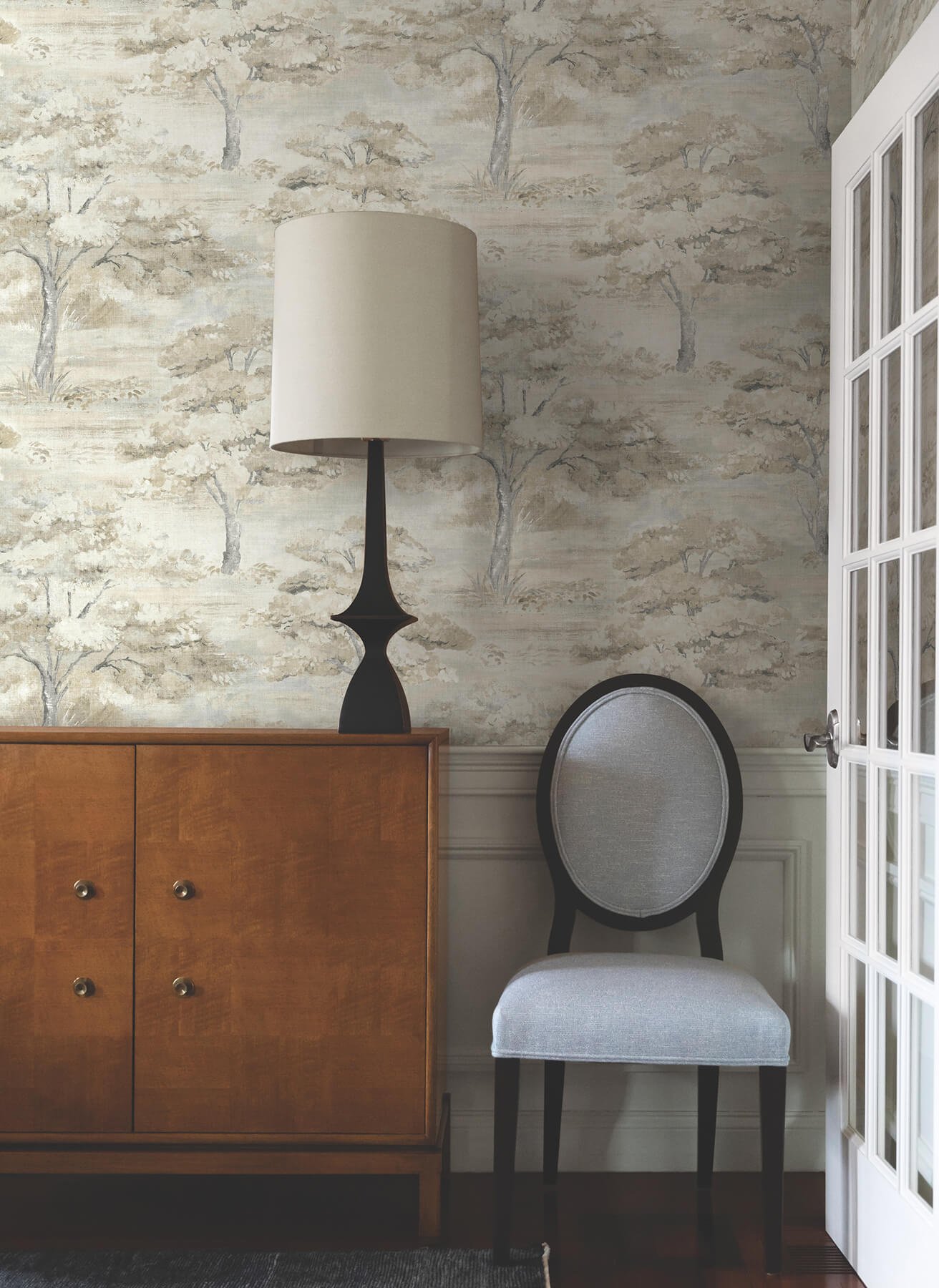
York Wallpaper - Moreno Neutral Woodland Wallpaper
Choose Elegant Furniture with Curved Silhouettes
Graceful curves, tailored upholstery, and timeless craftsmanship pieces create a collected, designer-level look that feels both luxurious and welcoming. Popular traditional furniture styles include wingback chairs, tufted sofas, claw-foot tables, skirted seating and rolled-arm upholstery
Layer Timeless Fabrics and Classic Patterns
Traditional interior design embraces luxurious fabrics and timeless patterns that add texture, softness, and visual interest throughout a room. Layering drapery, rugs, upholstery, pillows, and bedding creates the rich, finished appearance that defines this style.
Favorite textiles for traditional interiors are damask, florals, stripes, velvet, linen and embroidered fabrics
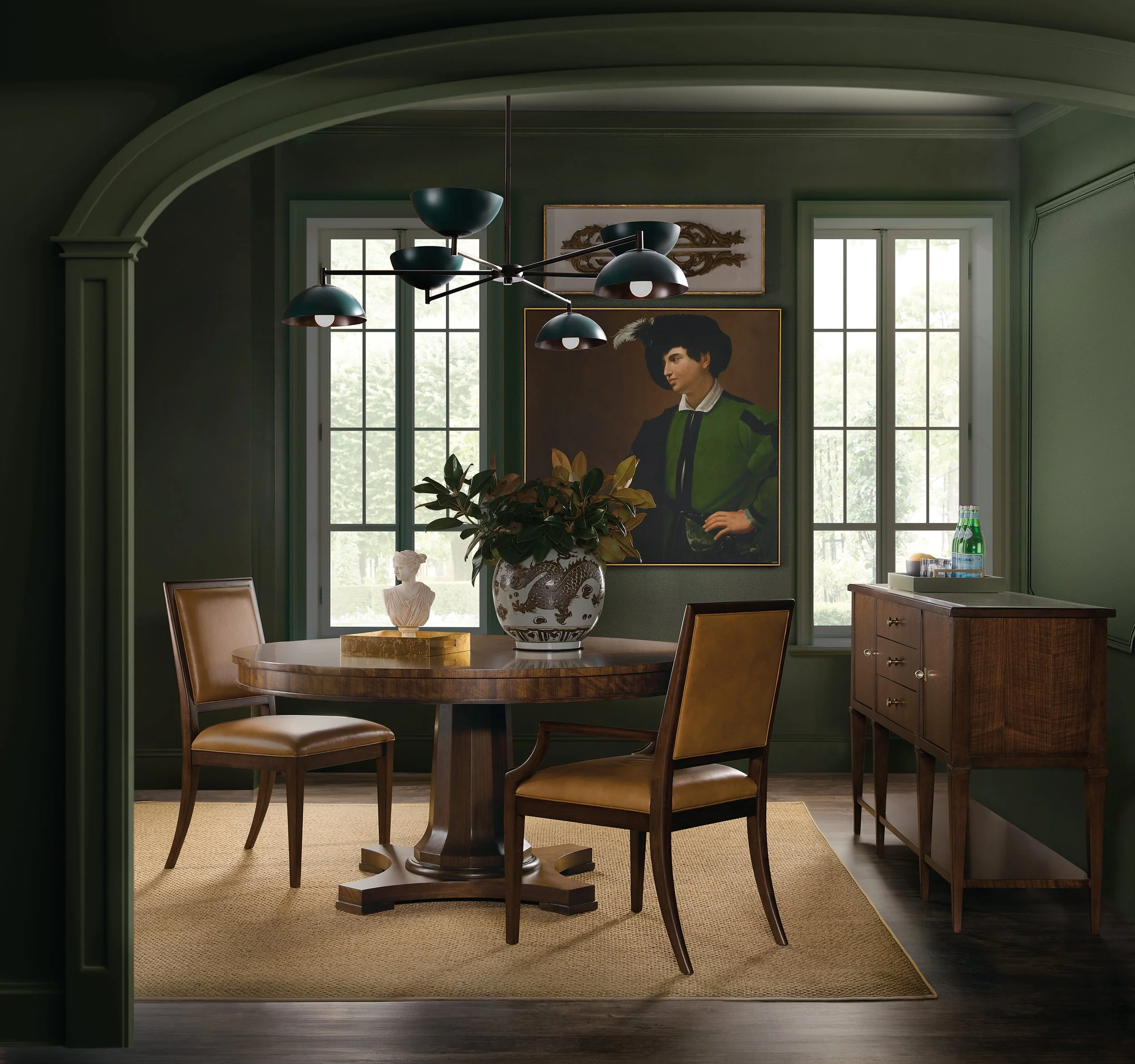
Hooker Furniture - Archives Round Dining Table
Why Traditional Design Works So Well in Coastal Homes
Traditional interiors pair beautifully with coastal architecture because they add warmth, depth, and sophistication without feeling trendy or overly casual. This works especially well in larger homes where high ceilings and open layouts benefit from added architectural character. We blend traditional foundations with lighter coastal finishes to create interiors that feel timeless, airy, and refined.
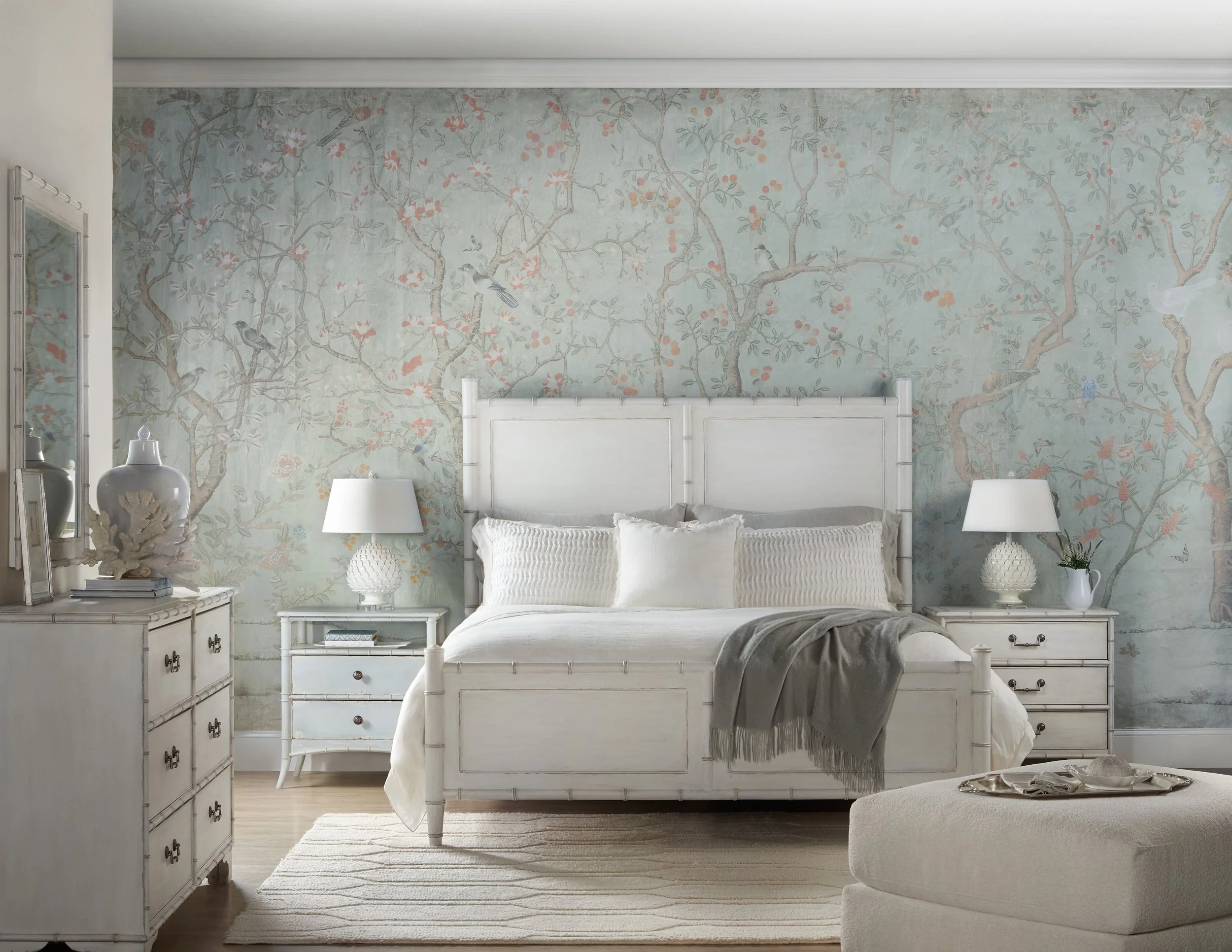
Hooker Furniture - Charleston Bedroom
Common Mistakes That Make Traditional Design Feel Outdated
Traditional design is timeless, but certain decorating choices can make a space feel dated rather than classic. Avoid these common mistakes when creating a traditional interior:
1. Overlooking Rich Wood Tones
Warm wood furniture and architectural details are foundational elements of traditional design. Replacing them entirely with trendy finishes can cause a room to lose its classic character.
2. Choosing Furniture Without Timeless Silhouettes
Traditional interiors rely on elegant furniture shapes and refined proportions. Pieces that feel overly contemporary or trend-driven can disrupt the overall aesthetic.
3. Skipping Layered Fabrics and Patterns
Traditional rooms feel collected and inviting because of their layered textiles. Incorporating classic patterns, tailored upholstery, and varied textures creates depth and visual interest.
4. Ignoring Balance and Symmetry
One hallmark of traditional design is a sense of order and balance. Thoughtful furniture placement and symmetrical arrangements help create the timeless elegance associated with the style.
5. Making the Space Feel Too Formal
Today's traditional interiors blend sophistication with comfort. Mixing in softer textures, personal touches, and livable furnishings helps the space feel welcoming rather than overly formal.
Explore Similar interior Design Styles
Transitional Design
If you love the timeless elegance of Traditional Design but prefer cleaner lines and a more updated feel, Transitional Design may be a natural fit.
Country Design
Traditional Design shares an appreciation for comfort, character, and classic furnishings. Country Design (as referred to as Cottage Style) offers a more relaxed and casual interpretation of these elements.
Contemporary Design
While very different aesthetically, some homeowners find themselves drawn to Traditional Design's sense of order and balance while appreciating Contemporary Design's simplicity and restraint.
Want a Home That Reflects Your traditional design Style?
Knowing your design style is the first step. The real magic happens when that style is thoughtfully applied throughout your home.
Whether you're furnishing a new home, refreshing a room, or planning to renovate an outdated rental property, we'll help you create a space that feels uniquely yours.
Schedule In Home Design Consultation (Wilmington, NC)
Schedule A Virtual Design Consultation (Not local to Wilmington, NC)
At Mickler & Co. Design Studio, we carefully blend classic design elements with modern functionality to create homes that feel both timeless and personal. Whether we’re designing a formal dining room with custom millwork or a cozy living room with layered textures and elegant furnishings, every detail is selected to complement your home’s architecture and lifestyle.
Contact us today to start your project or take our Signature Design Style Quiz to discover your personal design aesthetic.
Traditional Interior Design: Your Questions Answered
Q: What is the difference between Transitional and Traditional design?
A: Traditional design features ornate details, rich wood tones, and formal furniture arrangements. Transitional design takes those timeless traditional elements and updates them with cleaner lines, lighter color palettes, and a more relaxed, modern feel.
Q: What colors work best in traditional interiors?
A: Traditional interiors typically use warm neutrals, rich wood tones, soft creams, taupes, deep greens, navy blues, and muted reds. These colors create a timeless and elegant atmosphere.
Q: Is traditional design good for coastal homes?
A: Absolutely. Traditional design adds warmth and sophistication to coastal homes, especially when paired with lighter fabrics, natural textures, and airy color palettes.
Q: Can traditional design feel updated and modern?
A: Yes. Modern traditional design blends classic architectural details and furniture with cleaner lines, lighter finishes, and more relaxed styling for a fresh, updated look.
Q: What makes traditional design timeless?
A: Traditional design focuses on symmetry, quality materials, classic furniture silhouettes, and layered textures rather than short-term trends, which helps the style remain relevant over time.