

Contemporary Interior Design: Style Guide
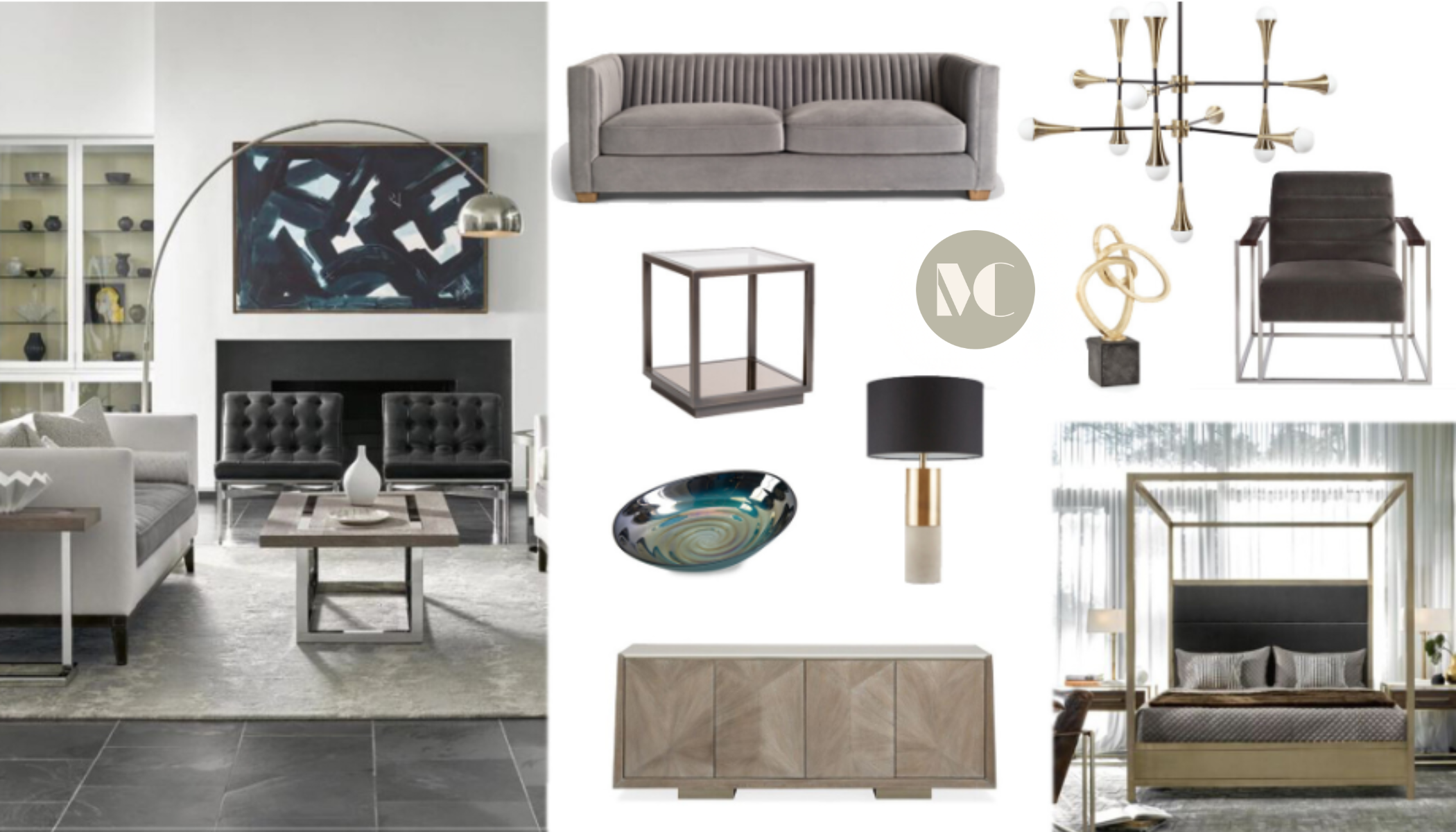
Contemporary interior design style is the epitome of sophistication, blending modern materials like glass, steel, and concrete with luxurious textures such as velvet and leather. Defined by clean lines, a minimalist color palette, and chic metallic accents, this aesthetic creates polished, clutter-free spaces reminiscent of penthouses and contemporary art galleries. At Mickler & Co. Design Studio in Wilmington, NC, we take contemporary interior design to the next level by personalizing it to reflect your unique taste and lifestyle.
What Is Contemporary Style Interior Design?
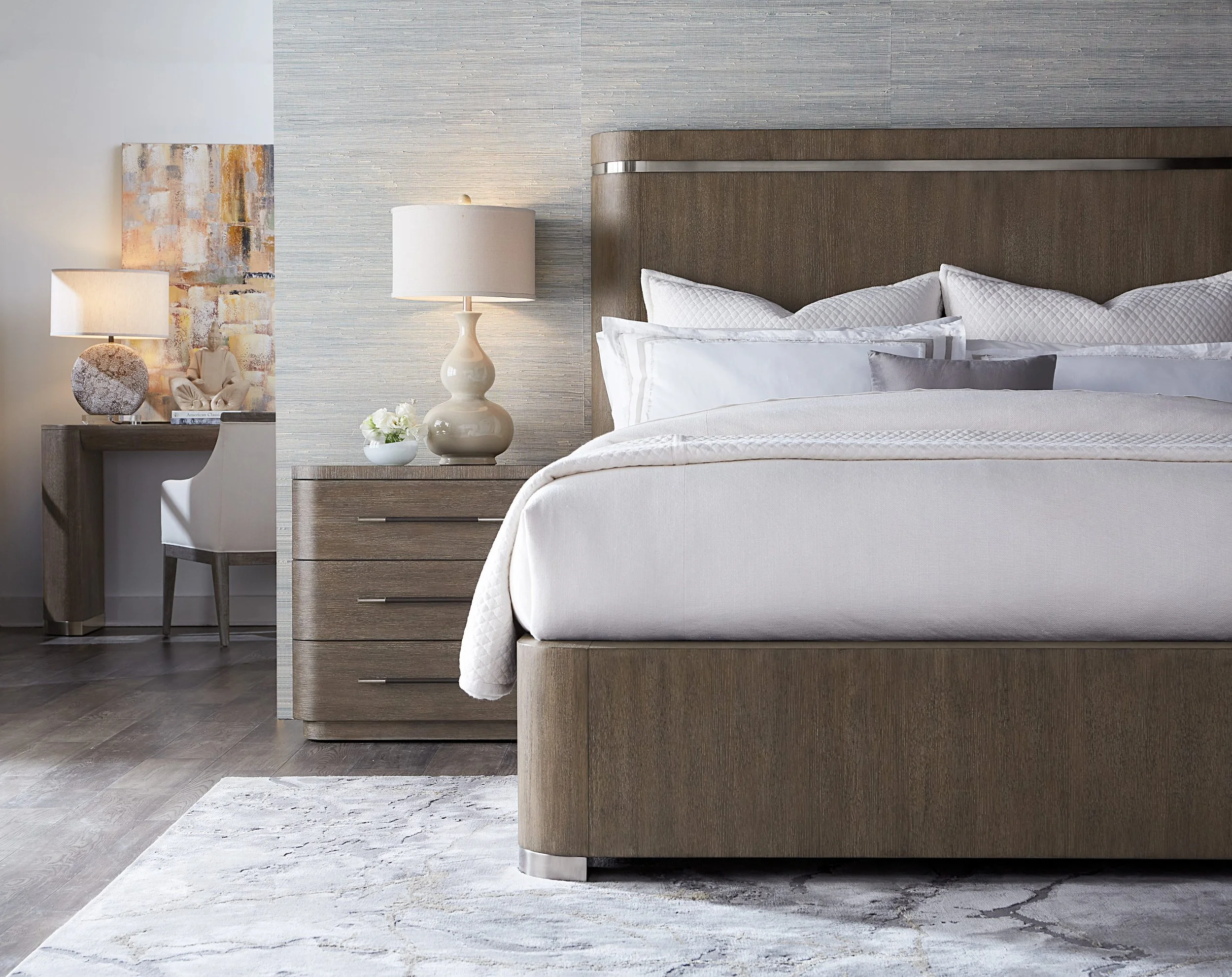
In a contemporary home, clean lines and a simple color palette take center stage. Luxe materials such as velvet curtains and leather chairs are paired with sleek metal legs and glass coffee tables to create an effortlessly chic atmosphere. Mirrored and metallic accents add a touch of glamour, while textures like velvet and leather provide warmth and richness without overwhelming the space.
Inspired by high-rise buildings and urban living, contemporary interior design emphasizes materials that are as functional as they are stylish. Rather than relying on bold colors, the focus is on refined textures, clean lines, and sophisticated finishes, ensuring every element feels intentional and elegant.
The Power of Simplicity
Contemporary Design proves that a room doesn't need excessive decoration to make a statement. Rather than relying on ornate details or trend-driven accents, Contemporary interiors focus on clean lines, thoughtful materials, and carefully edited furnishings.
Homeowners who gravitate toward Contemporary Design often:
Appreciate uncluttered, organized spaces
Prefer quality over quantity
Enjoy sophisticated, understated interiors
Value clean lines and architectural details
Want a home that feels polished, current, and intentional
The result is a space that feels refined, balanced, and effortlessly modern.
SHOP THE CONTEMPORARY LOOK

How to Create a Contemporary Interior Design Style
Use Modern Materials
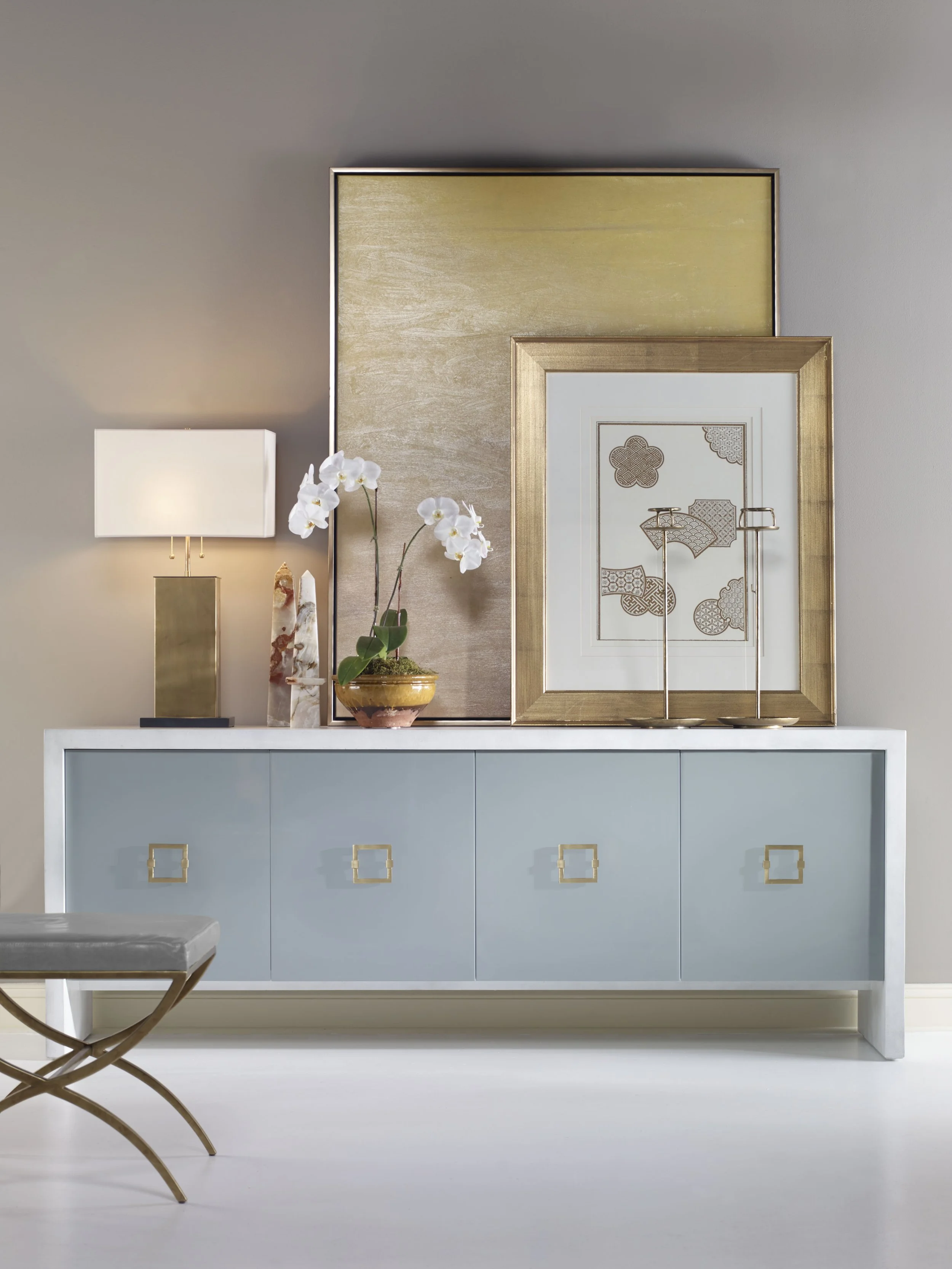
At the foundation of contemporary design are modern materials that create a sleek, architectural feel. Glass, steel, concrete, stone, and lacquered finishes are commonly incorporated throughout the home, whether in furniture, lighting, flooring, or decorative elements. These materials add visual interest while maintaining the clean lines and streamlined aesthetic that define contemporary interiors.
Layer Luxurious Textures
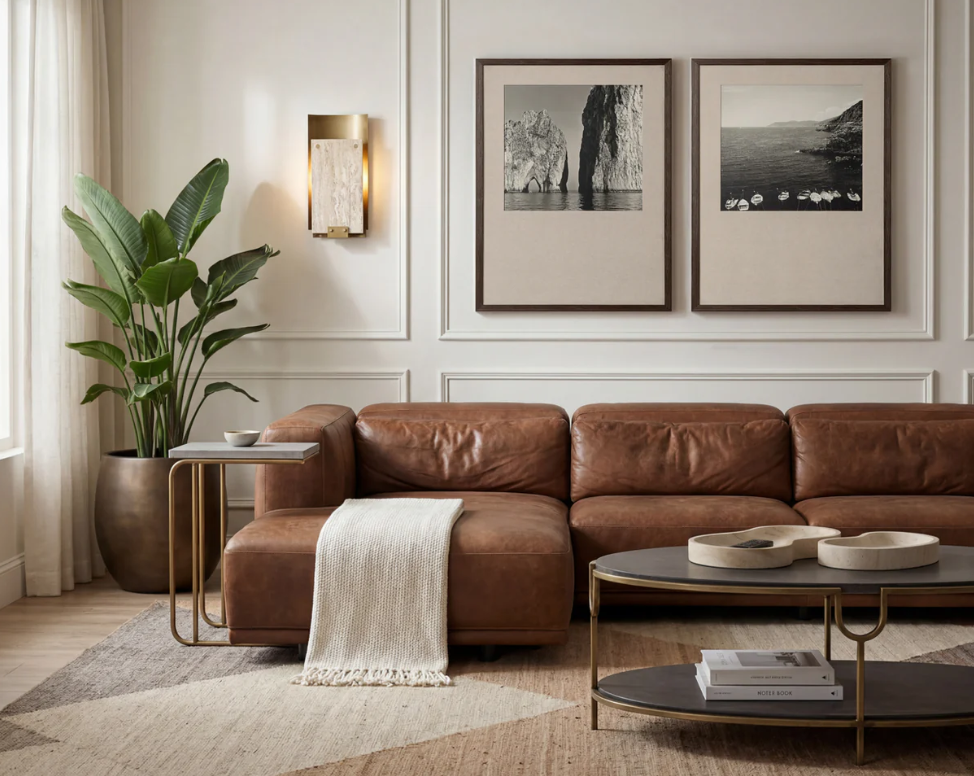
While contemporary spaces often feature a restrained color palette, they never feel flat or sterile. Texture plays a critical role in adding warmth and depth. Materials such as velvet upholstery, leather seating, bouclé fabrics, natural stone, and textured rugs help soften the space and create a sense of comfort. By layering a variety of textures, contemporary interiors feel inviting while still maintaining their refined appearance.
Incorporate Metallic and Mirrored Accents
Metallic and mirrored finishes bring an element of glamour and sophistication to contemporary interiors. Brushed brass, polished nickel, blackened steel, and mirrored surfaces reflect light and add visual dimension throughout the space. These finishes work particularly well in lighting fixtures, furniture details, hardware, and decorative accessories, helping to elevate the overall design.
Keep the Color Palette Simple
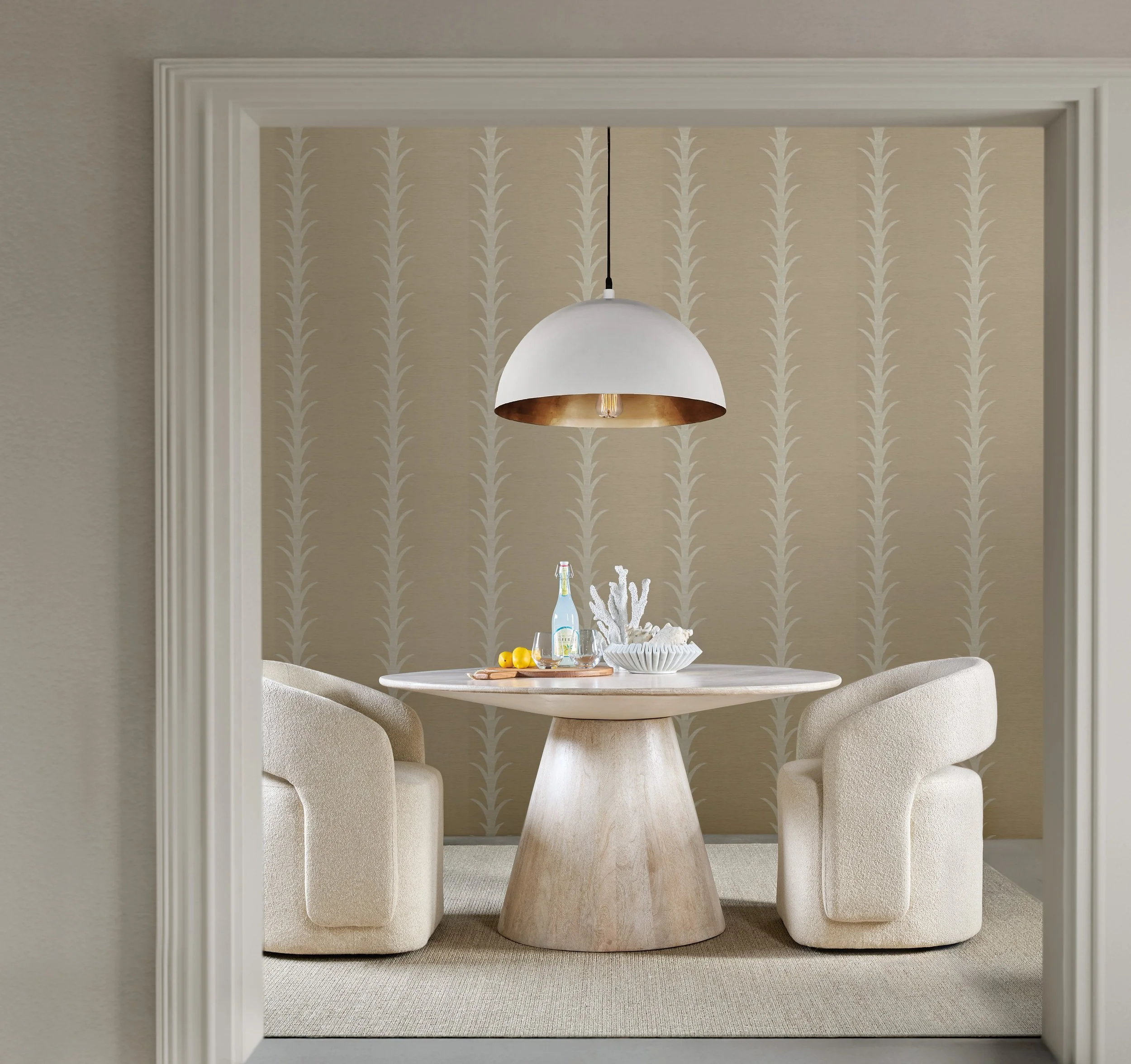
A contemporary color palette typically relies on neutral tones such as white, black, charcoal, warm gray, taupe, and soft beige. Rather than using bold colors as the focal point, contemporary design creates interest through contrast in materials, textures, and forms. This restrained approach allows architectural details and carefully curated furnishings to take center stage.
Focus on Clean Lines and Open Spaces
One of the defining characteristics of contemporary design is its emphasis on clean lines and uncluttered spaces. Furniture features simple, streamlined silhouettes, while accessories are intentionally edited rather than overly abundant. Thoughtful spacing between furnishings and the use of statement pieces as focal points help create a sense of openness and balance. The result is a home that feels calm, sophisticated, and effortlessly modern.
Contemporary Design Isn't Cold
One of the biggest misconceptions about Contemporary Design Style is that it feels stark or impersonal. In reality, the most successful contemporary interiors balance clean lines with rich textures, natural materials, and thoughtful layering.
Soft textiles, warm woods, upholstered furnishings, natural stone, and carefully curated accessories help create spaces that feel welcoming while maintaining the simplicity that defines contemporary design.
7 Contemporary Interior Design Mistakes to Avoid
Contemporary interiors may look effortless, but creating a space that feels sophisticated rather than stark requires balance. Here are some of the most common contemporary design mistakes we see—and how to avoid them.
1. Choosing Furniture That's Too Small
One of the biggest mistakes homeowners make is selecting furniture that feels undersized for the room. Contemporary interiors often feature generous, low-profile seating that helps anchor the space.
Instead of filling a room with several small pieces, choose fewer, larger furnishings with clean lines. A properly scaled sofa, oversized artwork, or substantial coffee table creates a more polished, designer look.
2. Forgetting About Texture
Many people mistake contemporary design for cold, all-white minimalism.
Without texture, however, contemporary interiors can feel flat and uninviting.
Bring warmth into the room by layering materials like natural wood, linen, bouclé, wool, stone, leather, glass, and metal. Mixing textures adds depth while maintaining the clean aesthetic contemporary design is known for.
3. Decorating Every Surface
Contemporary design embraces intentional styling.
Resist the urge to fill every shelf, console table, or countertop with decorative accessories. Instead, display a few thoughtfully chosen pieces and allow negative space to become part of the design.
Less visual clutter creates a calmer, more sophisticated home.
4. Buying Matching Furniture Sets
Furniture collections are designed to make shopping easy—not necessarily to create the most interesting interiors.
Instead of purchasing an entire matching bedroom or living room suite, combine complementary pieces with different materials, finishes, and shapes. The result feels more collected, customized, and professionally designed.
5. Relying Only on Overhead Lighting
Lighting has a tremendous impact on how contemporary interiors feel.
A single ceiling fixture rarely provides enough warmth or dimension. Layer your lighting with table lamps, floor lamps, sconces, and accent lighting to create a welcoming atmosphere throughout the day and evening.
Well-designed lighting is often what separates professionally designed homes from builder-grade interiors.
6. Choosing Trendy Pieces Instead of Timeless Design
Contemporary style evolves over time, but that doesn't mean every trend belongs in your home.
Invest in timeless furniture with clean lines, quality craftsmanship, and neutral finishes. Introduce current trends through artwork, pillows, accessories, and décor that are easier—and less expensive—to update as styles change.
7. Making the Space Feel Cold Instead of Comfortable
Perhaps the biggest misconception about contemporary interior design is that it should feel stark or impersonal.
The best contemporary homes balance simplicity with comfort. Soft textiles, natural materials, warm lighting, greenery, and carefully selected artwork make a space feel inviting while preserving the clean, uncluttered aesthetic.
A well-designed contemporary home should feel relaxed, livable, and effortlessly sophisticated—not like a showroom.
Designer Tip
Contemporary interiors are defined as much by what you leave out as what you include. Before adding another accessory, ask yourself whether it truly enhances the room or simply fills empty space. Thoughtful restraint is one of the hallmarks of great contemporary design.
Explore Similar Design Styles
Scandinavian & Mid-Century Modern Design
If you appreciate simplicity and clean lines but prefer warmer wood tones and a softer aesthetic, Scandinavian and Mid-Century Modern Design may appeal to you.
Transitional Design
Transitional Design combines classic and contemporary influences, creating spaces that feel timeless, comfortable, and versatile.
Industrial Design
Industrial Design shares Contemporary Design's appreciation for clean forms and modern materials while incorporating more architectural character through metal, concrete, and exposed structural elements.
Want a Home That Reflects Your Contemporary Design Style?
Contemporary interiors may appear effortless, but achieving the right balance of materials, scale, texture, and simplicity requires thoughtful planning. Every furnishing, finish, and accessory plays a role in creating a space that feels cohesive and intentional.
Whether you're designing a new home, renovating outdated vacation rental property, or refining your furnishings, Mickler & Co. Design Studio can help you create a home that feels sophisticated, functional, and distinctly yours.
Contact us today to start your project or take our Signature Design Style Quiz to discover your personal design aesthetic.
Contemporary Style Interior Design: Your Questions Answered
Q: What is the difference between modern and contemporary interior design?
A: Modern design refers to a specific design movement, while contemporary design reflects current design trends. Contemporary interiors tend to be more flexible and evolve over time.
Q: What colors are used in contemporary interior design?
A: Contemporary spaces typically feature neutral colors such as white, black, gray, taupe, and beige. Texture and material variation provide visual interest instead of bold colors.
Q: Is contemporary design good for coastal homes?
A: Yes. Contemporary design works exceptionally well in coastal homes because it emphasizes clean lines, open spaces, and natural light while maintaining a sophisticated aesthetic.
Q: Can contemporary interiors feel warm and inviting?
A: Absolutely. Layering textures like velvet, leather, wood, and natural stone helps create warmth without sacrificing the clean look contemporary design is known for.