

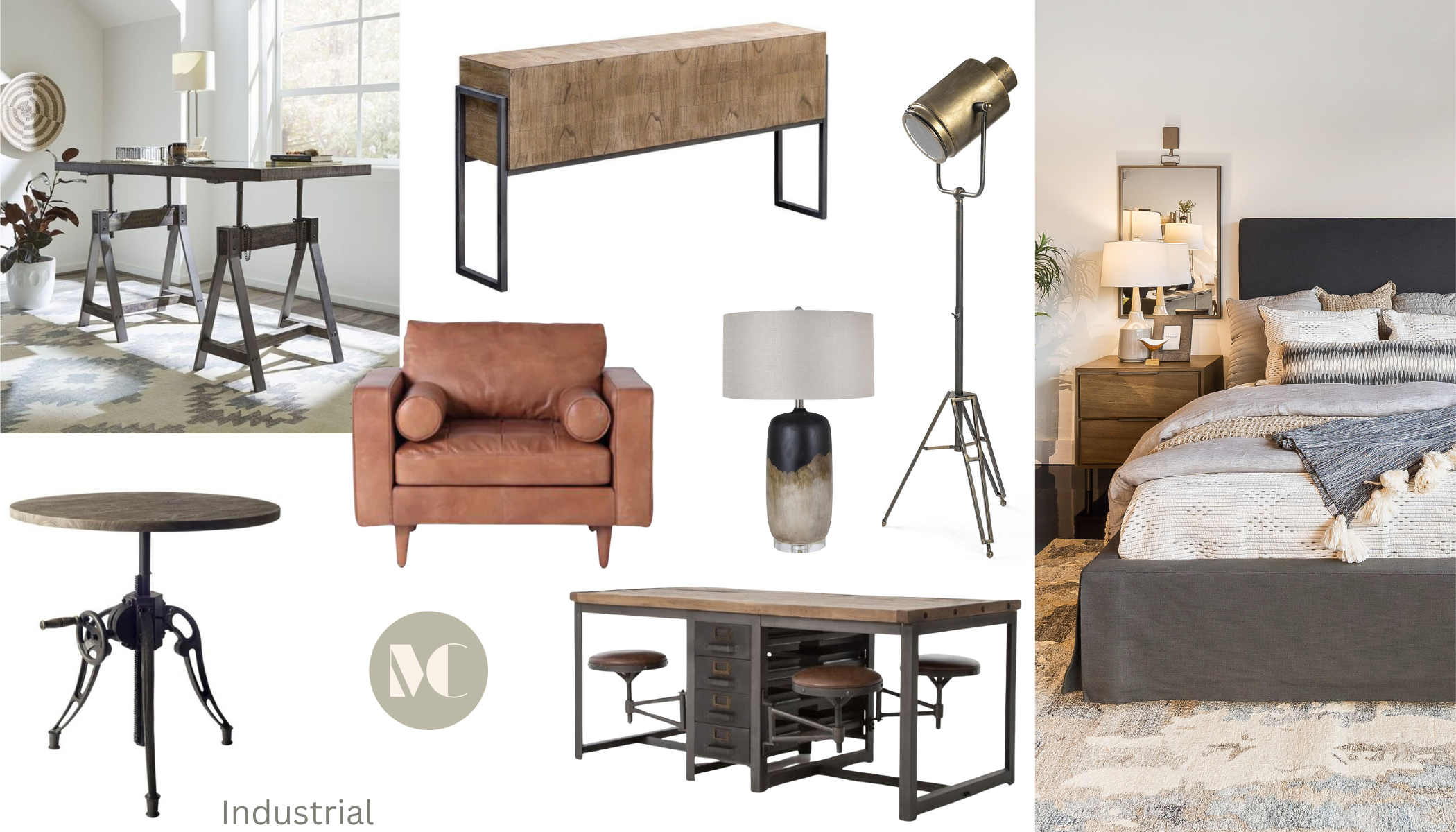
Looking to add a bold, raw aesthetic to your home? Industrial design brings a unique charm by celebrating the beauty of exposed materials and functional forms. This style showcases the elements of construction, turning them into key design features.
At Mickler & Co Design Studio in Wilmington, NC, we specialize in curated Industrial Style furniture and decor available for online purchase, interior design projects, and in-store pickup.
What Is Industrial Interior Design?
Industrial design pays homage to the manufacturing boom of the late 1700s to mid-1800s, when factories and warehouses shaped urban landscapes. Today, it transforms raw materials into a contemporary style that blends functionality with a deconstructed, rugged look.
Think exposed brick walls, steel beams, concrete finishes, reclaimed wood, and visible hardware. Industrial design transforms construction materials into beautiful focal points while maintaining a clean, functional aesthetic.
Beauty in Raw Materials
Industrial Design appeals to homeowners who appreciate authenticity, functionality, and spaces with character. Rather than hiding construction materials, Industrial interiors celebrate them, transforming steel, wood, concrete, brick, and metal into defining design features.
Homeowners who gravitate toward Industrial Design often:
Appreciate honest materials and craftsmanship
Prefer functional furniture over excessive ornamentation
Love texture, contrast, and architectural character
Enjoy a mix of modern and vintage influences
Want a home that feels timeless rather than trend-driven
The result is a home that feels grounded, distinctive, and effortlessly cool.
SHOP INDUSTRIAL STYLE FURNITURE

Key Elements of Industrial Interior Design
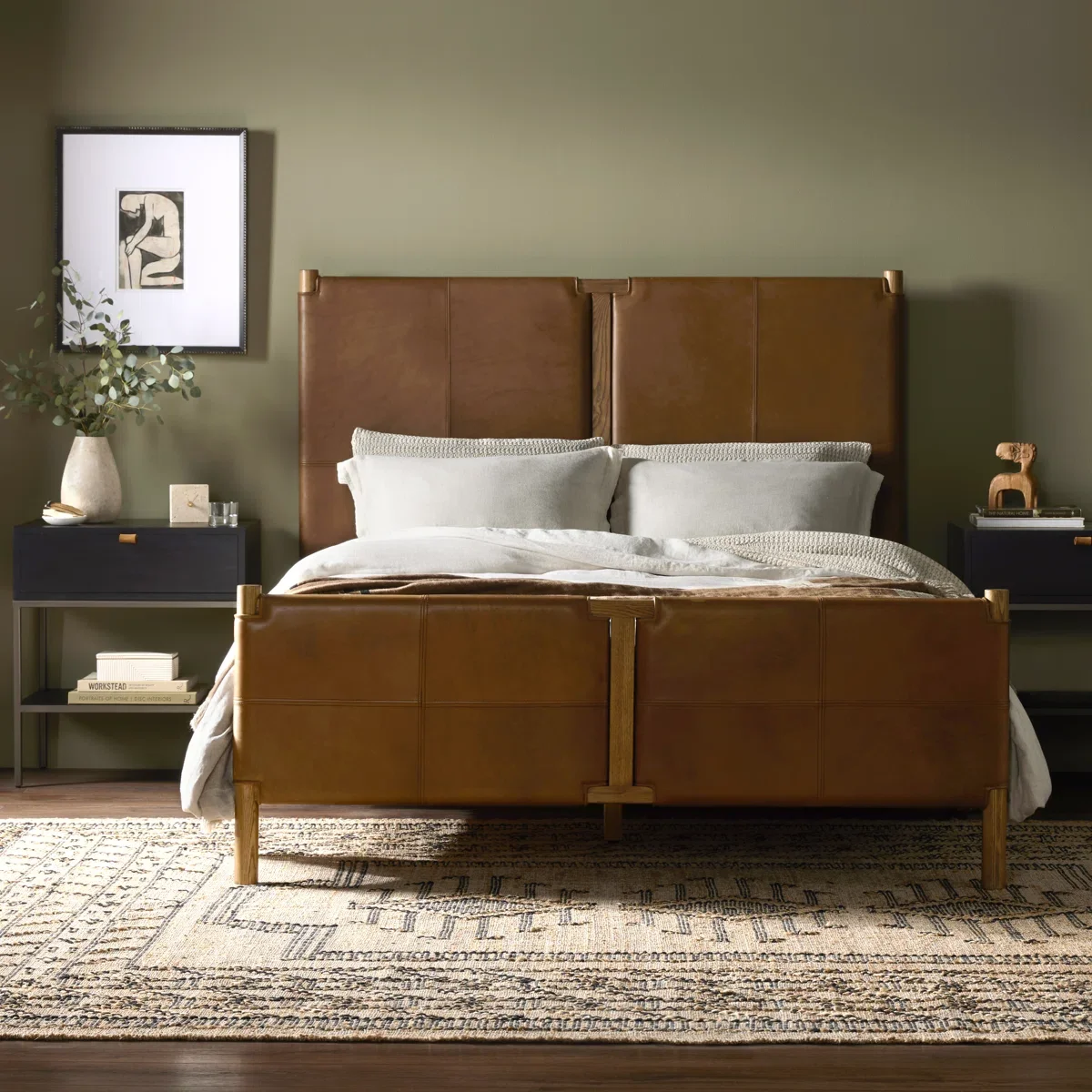
Industrial interiors aren't defined by a single piece of furniture or a brick wall. Instead, they're built around a combination of materials, finishes, and architectural details that create a warm, functional space with character.
A well-designed industrial interior typically includes:
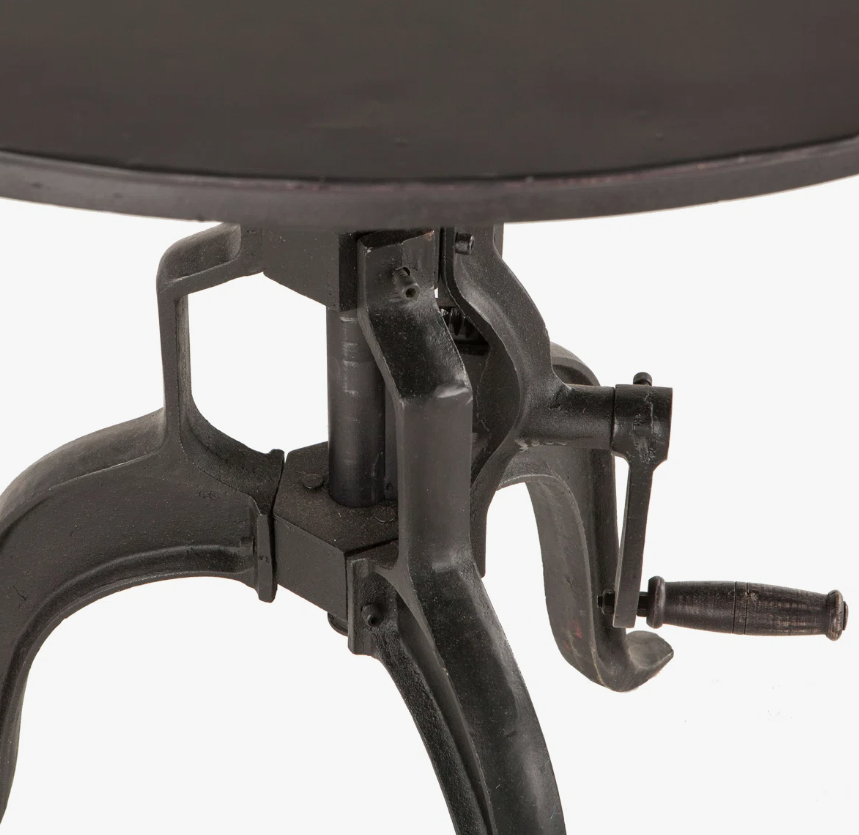
Black steel or iron accents
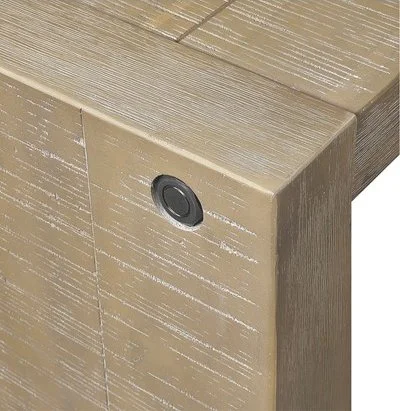
Natural or reclaimed wood furniture
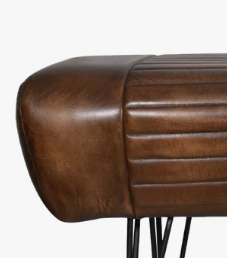
Leather seating or accent pieces
A warm neutral color palette with charcoal or black accents
Concrete, brick, stone, or textured plaster finishes
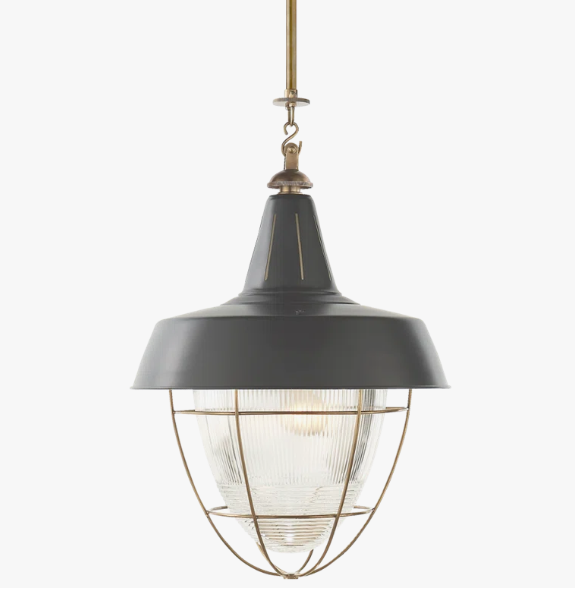
Vintage-inspired or architectural lighting
Simple, functional furniture with clean lines
Layered textiles such as wool rugs, linen, and cotton
Oversized artwork and understated accessories
Architectural details like exposed beams, steel-framed doors, or large windows
You don't need every element to achieve the look. The most successful industrial interiors mix these materials thoughtfully, creating spaces that feel warm, comfortable, and collected rather than overly themed.
How to Make Industrial Interior Design Feel Warm
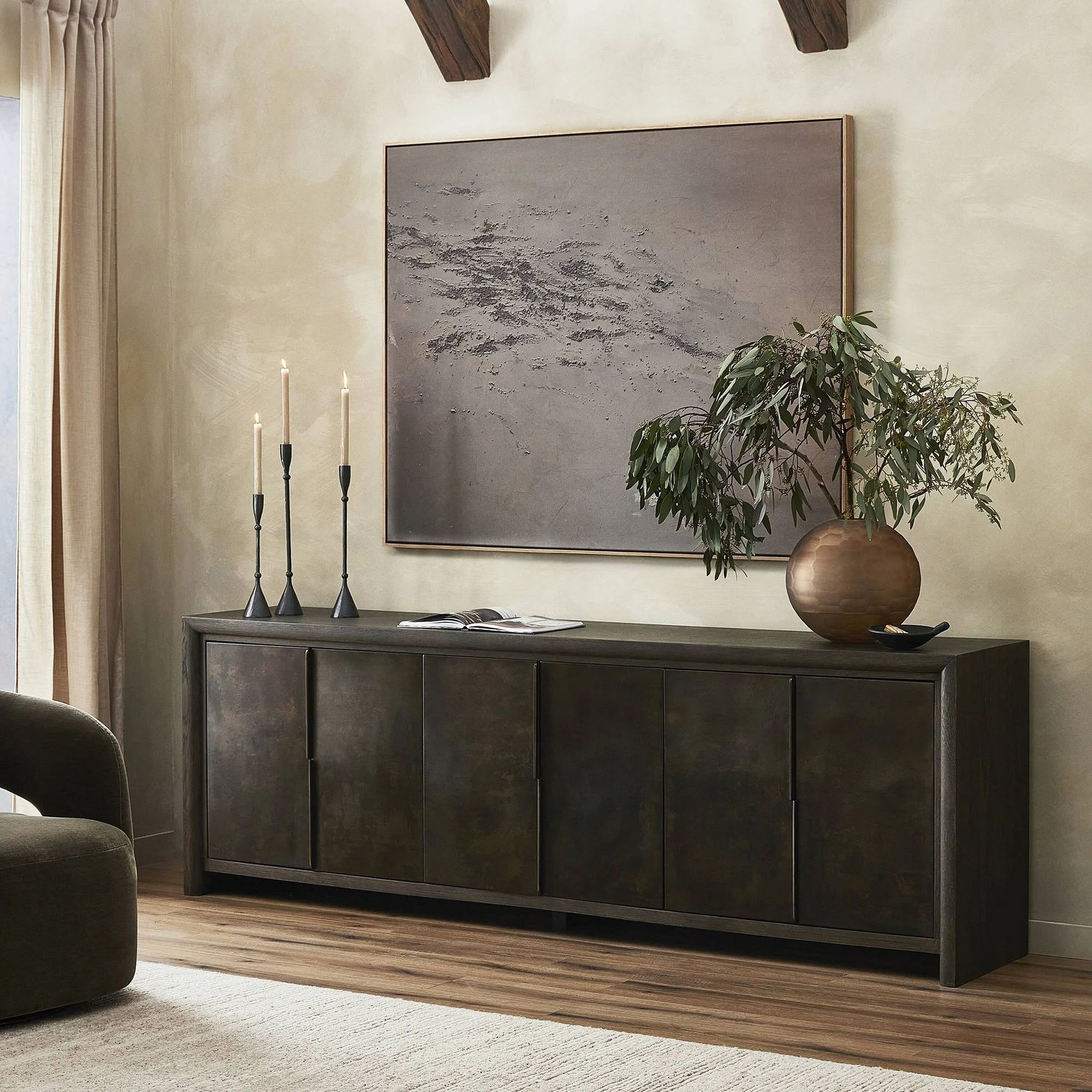
Industrial interiors are known for rich wood tones, black metal, concrete, and exposed brick, but those materials should be balanced with softer textures. Leather seating, woven blankets, plush area rugs, heavily textured throw pillows, and soft upholstered pieces—such as boucle or faux fur accent chairs and ottomans—help create a space that feels inviting without losing its industrial character.
Layer your lighting with warm bulbs, table lamps, and sconces instead of relying on a single overhead fixture. Finish the room with artwork, greenery, and a few collected accessories to add personality and keep the space from feeling overly utilitarian.
How to Create an Industrial Interior Design Style
Highlight Architectural Features
Industrial homes often showcase architectural details such as exposed beams, brick walls, ductwork, and metal framing. These unfinished details create character and visual interest. If your home doesn’t already have these features, consider incorporating faux brick, textured wall finishes, reclaimed wood, or concrete-inspired materials to recreate the look.
Mix Industrial Materials
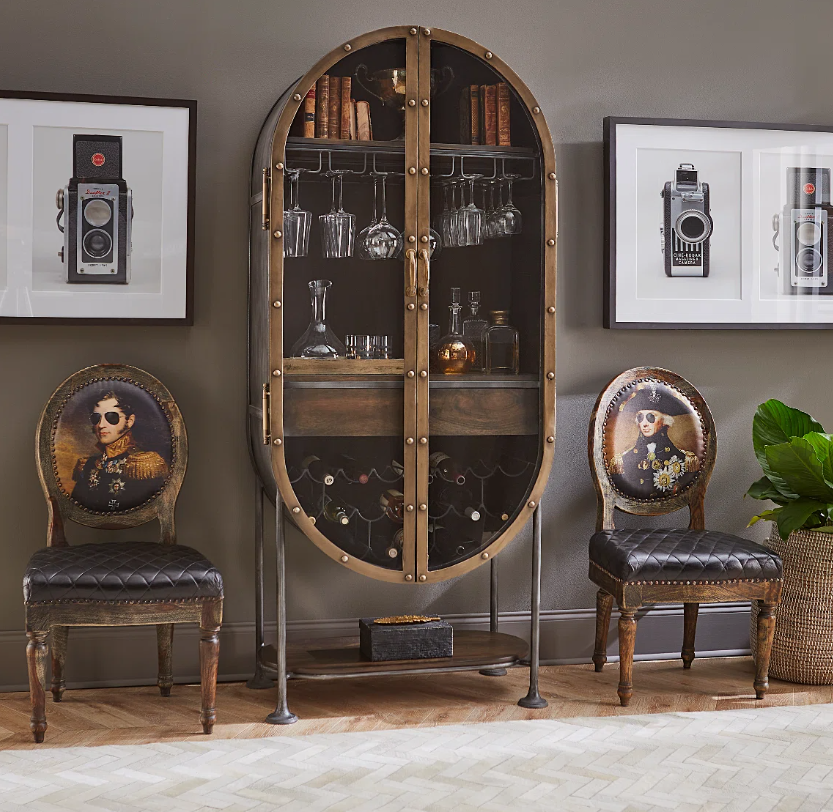
This style is built around raw, durable materials like steel, reclaimed wood, concrete, stone, iron, and brass. Create balance is by pairing warm wood tones with black steel or aged brass accents. These layered materials add depth and warmth while maintaining the clean, functional feel industrial spaces are known for.
Incorporate Industrial Lighting
Lighting plays a major role in industrial interiors. Pendant lights with metal shades or edison bulbs is a defining feature of this style.
Choose Functional Furniture with Clean Lines
Industrial furniture prioritizes utility and simplicity. Look for substantial pieces with mixed-material construction. Metal-framed tables, open shelving, reclaimed wood furniture, and leather seating all work beautifully within this aesthetic.
Keep the Color Palette Neutral and Earthy
Industrial interiors typically feature earthy, muted tones inspired by raw materials. Charcoal gray, black, rust, warm brown, camel, aged brass, and natural wood finishes create a timeless foundation that feels grounded and cohesive.
Industrial Interior Design Mistakes to Avoid
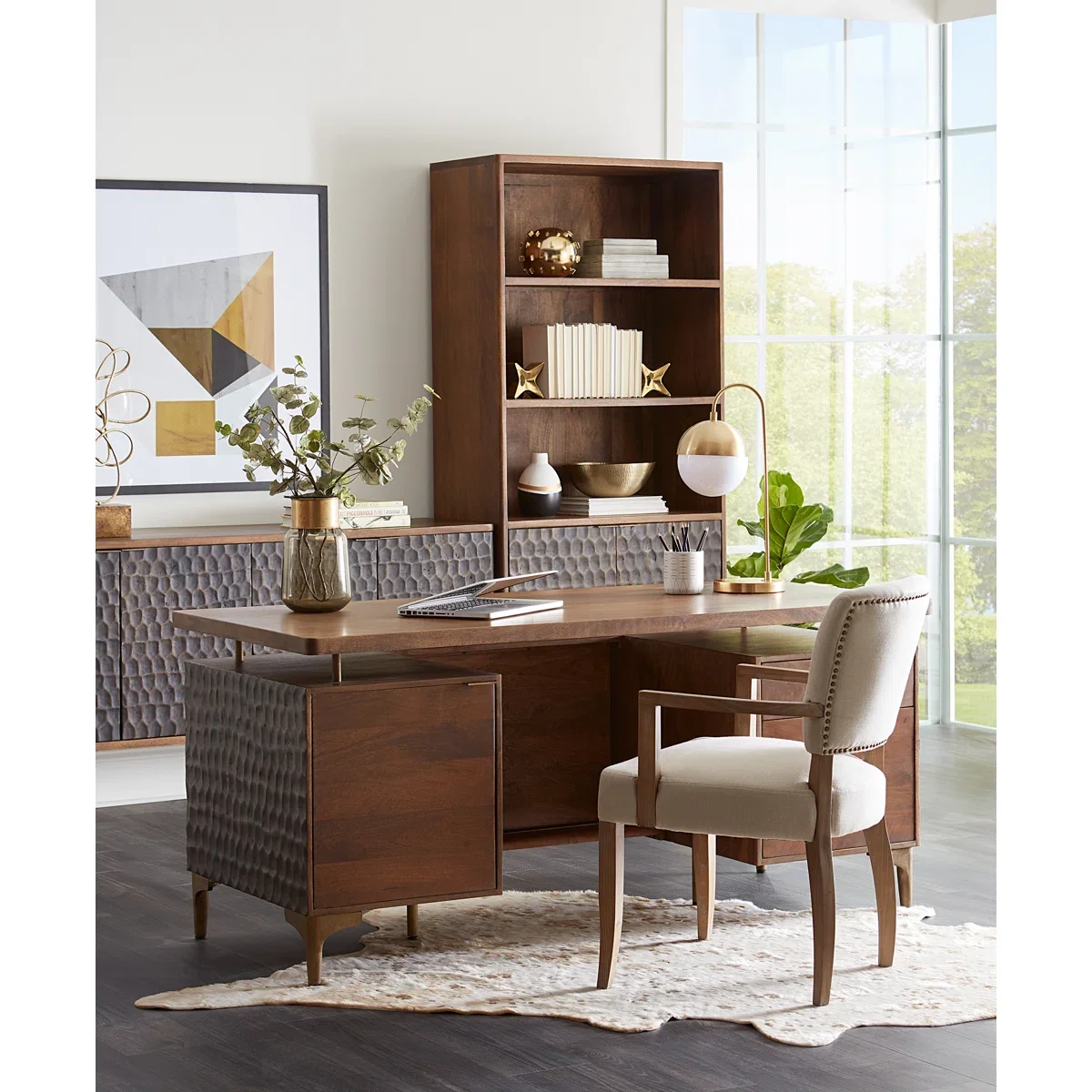
Industrial interior design is all about balance. While the style celebrates raw materials and architectural character, it's easy to push it too far and end up with a room that feels cold, dark, or overly themed.
Avoid these common mistakes:
Using too much black metal. Metal should add contrast—not dominate the room. Balance it with warm wood, leather, and soft textiles.
Choosing only gray and black. Industrial interiors look richer when layered with warm neutrals, camel leather, natural oak, and earthy tones.
Skipping texture. Linen curtains, woven rugs, boucle upholstery, and natural greenery soften the hard architectural finishes.
Overdoing the factory theme. Pipe furniture, oversized gears, and vintage signs can quickly make a room feel like a restaurant instead of a home.
Using harsh lighting. Warm bulbs, dimmers, and layered lighting create a more inviting atmosphere than bright white overhead fixtures.
The best industrial interiors feel collected and comfortable—not like a warehouse.
Explore Similar Design Styles
Modern Rustic Design
Modern Rustic Design shares Industrial Design's appreciation for natural materials and texture while incorporating more warmth, organic elements, and relaxed living.
Contemporary Design
Contemporary Design emphasizes clean lines and simplicity but typically feels more refined and polished than Industrial interiors.
Scandinavian & Mid-Century Modern Design
Like Industrial Design, Scandinavian and Mid-Century Modern interiors prioritize functionality and thoughtful design. However, they often feature lighter wood tones, softer materials, and a more minimal aesthetic.
Want a Home That Reflects Your INDUSTRIAL Design Style?
Industrial interiors are about more than exposed brick and metal accents. The most successful spaces balance raw materials with comfort, creating rooms that feel both refined and livable. From furniture selections and lighting to finishes and styling, every element should work together to create a cohesive look.
Whether you're incorporating a few industrial-inspired pieces or designing an entire home around the aesthetic, Mickler & Co. Design Studio can help you create a space that feels authentic, functional, and tailored to the way you live.
Contact us today to start your project or take our Signature Design Style Quiz to discover your personal design aesthetic.
INDUSTRIAL DESIGN STYLE: Your Questions Answered
Q: What colors work best in Industrial interiors?
A: Accents of forest green or muted blues are complimentary to neutral and earthy tones like black, charcoal gray, warm brown, rust, camel, and natural wood finishes. These colors help highlight raw materials and architectural details.
Q: Is Industrial design still in style?
A: Industrial design remains timeless because it focuses on authentic materials, practical furniture, and clean lines rather than temporary trends.
Q: What materials are commonly used in industrial design?
A: Industrial furniture often includes steel, iron, reclaimed wood, concrete, leather, and brass. These materials create durability and visual texture.
Q: Can Industrial design work in coastal homes?
A: Yes. Industrial style works beautifully in coastal homes when balanced with lighter woods, natural textures, linen fabrics, and softer finishes. This combination creates a relaxed yet elevated look.
Q: How can I make industrial interiors feel warm?
A: Layering textures is key. Add leather seating, rugs, woven accents, greenery, warm lighting, and natural fabrics to soften industrial spaces.