

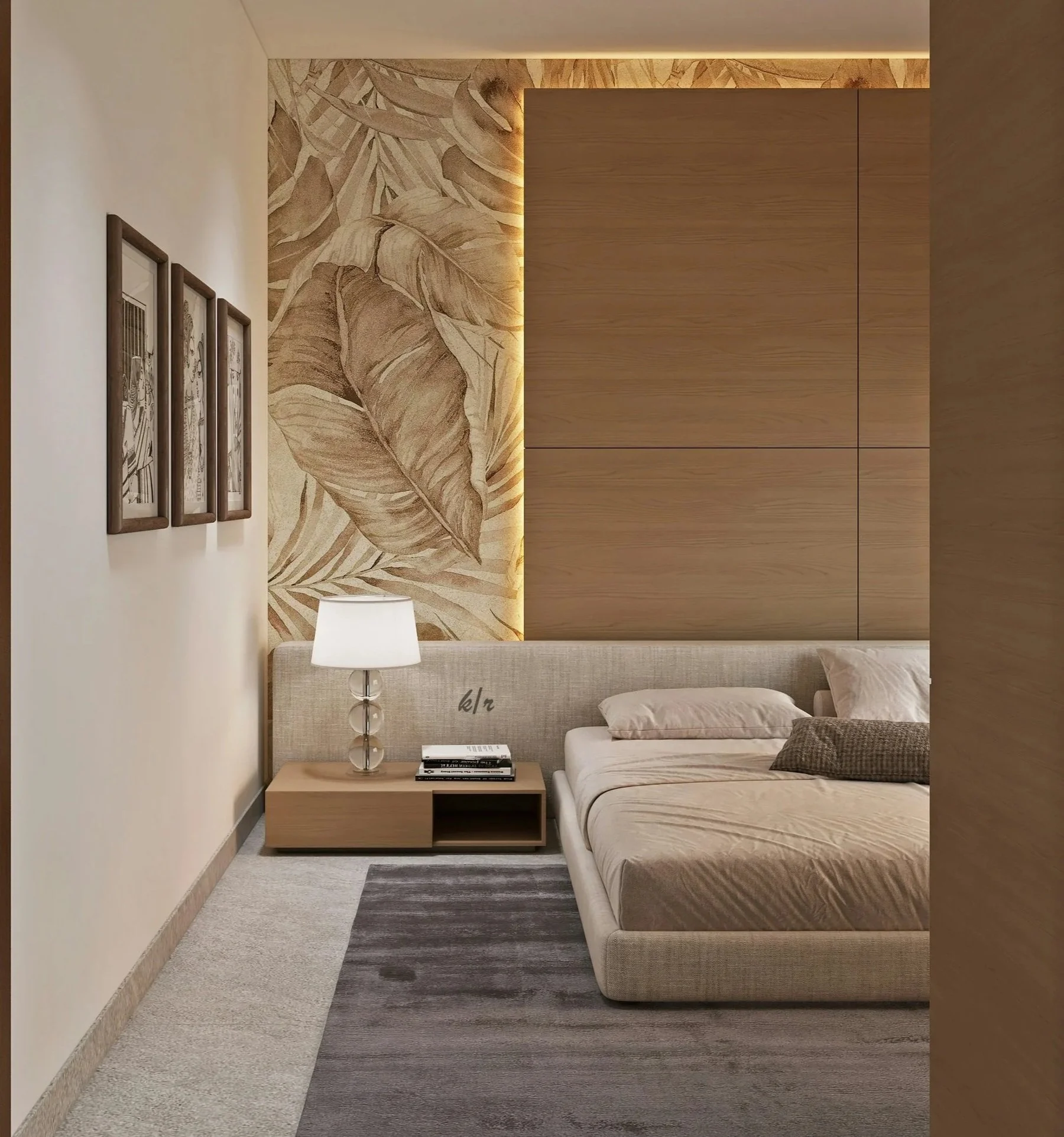
Accent wall ideas go far beyond painting one wall a different color. An accent wall creates a feature that draws your eye, gives the room a focal point, and can completely transform how the space feels. Whether you’re refreshing a bedroom, adding interest to a dining room, or giving a plain living room more personality, the right wall treatment can make the entire design feel elevated.
It’s also a wonderful opportunity to make your home feel like you. Maybe you love bold pattern, rich wood tones, traditional architectural details, or the movement of natural stone. An accent wall gives those features a place to shine.
Lets talk about some of our favorite ways to create an accent wall and get the creative juices flowing.
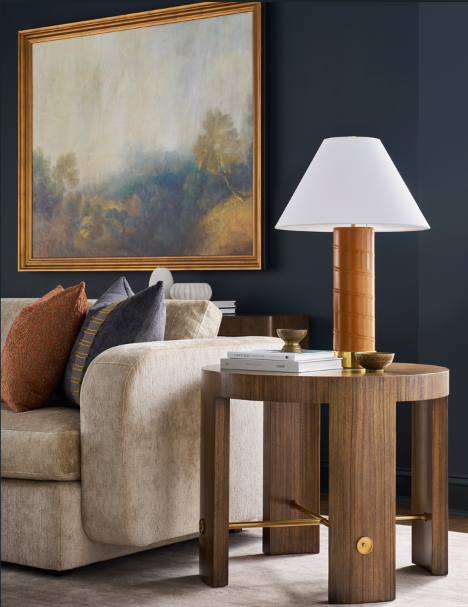
Paint Accent Walls for Color and Contrast
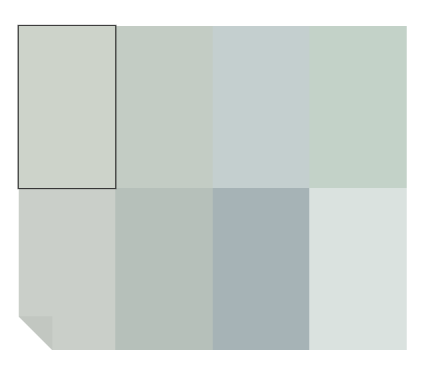
A painted accent wall can add definition with a relatively simple update. Both color and finish influence the result: contrast determines how strongly the wall stands out, while sheen affects how it reflects light.
Your accent color doesn’t have to be dramatically different than the other walls. A subtle shift in tone can create definition while keeping the overall palette quiet. Look to your rug, artwork, or fabrics for a color that already belongs in the room, then test samples alongside your flooring and furnishings in daylight and evening light.
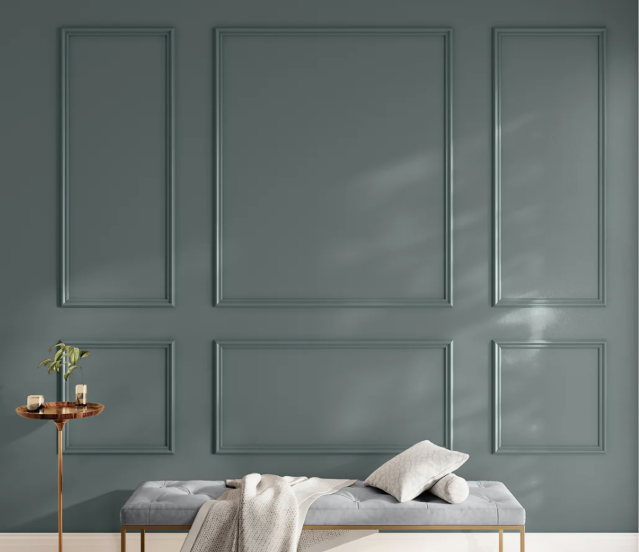
For a more polished look, consider painting the trim on the feature wall the same color. That allows the entire surface to read as one design element and can be especially effective when the wall includes decorative molding.
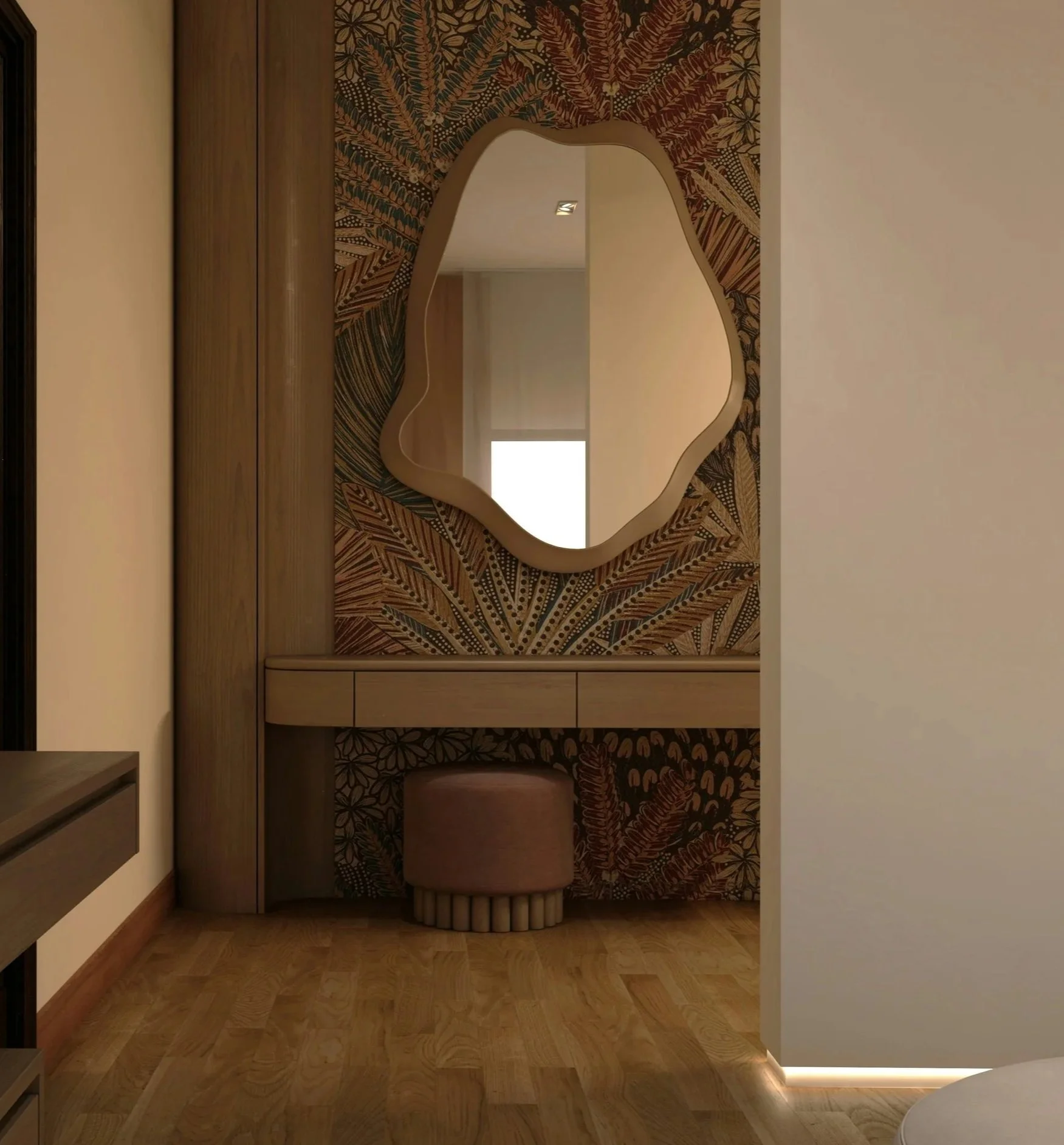
Wallpaper Accent Walls for Pattern and Personality
Wallpaper offers an endless range of options for creating an accent wall. From natural textures and small repeating prints to bold patterns and large-scale murals, there’s a wallcovering to suit any style and level of impact.
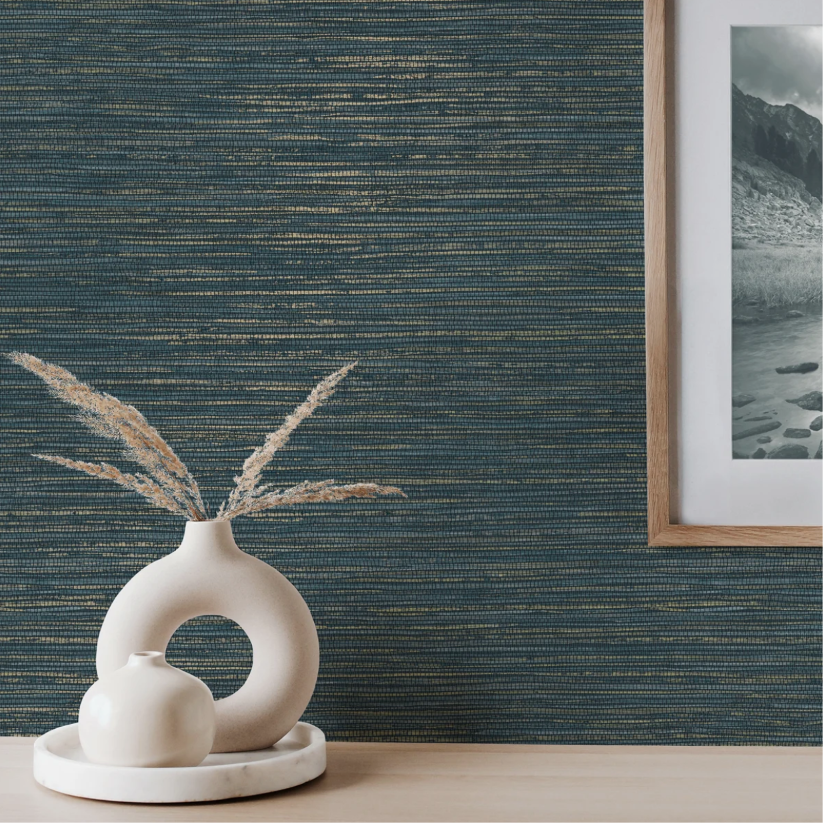
Grasscloth, cork, and woven wallcoverings add texture and natural variation, while printed designs offer everything from delicate details to oversized motifs. Murals turn the wall into a complete composition, with designs that can span the entire surface.
Consider both the scale of the design and how much of the wall will remain visible. Furniture, windows, and artwork can interrupt a mural or obscure a large pattern, while a smaller repeat or textured finish can provide interest across more divided surfaces. Order samples to see how the color, texture, and finish work with your furnishings and lighting before making your selection.
For more ideas on pattern, texture, and placement, read our tips for designing with wallpaper.
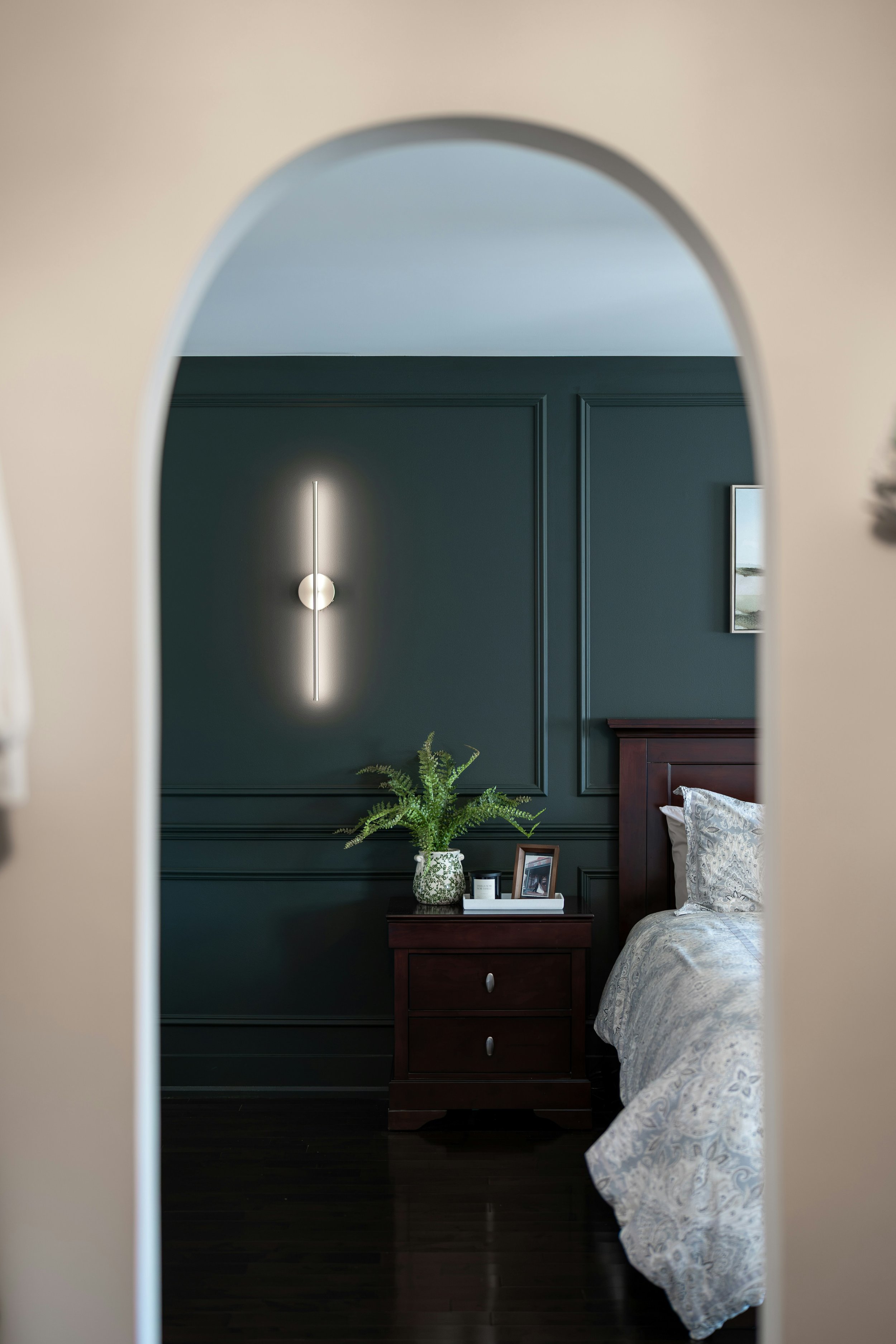
Trim Work and Wall Paneling Accent Walls for Architectural Detail
Trim work goes beyond crown molding and chair rails. Applied trim and wall paneling can transform a flat surface into an architectural feature, adding depth, texture, and a more custom feel.
The molding profile, depth, and arrangement offer plenty of room to customize the design, from understated architectural detail to an elaborate feature wall. Painting the trim and wall the same color gives the treatment a luxurious, cohesive feel, allowing the craftsmanship and dimension to stand out.
Plan the layout with the surroundings in mind. Doors, windows, ceiling height, and the placement of furniture, artwork, and lighting should connect with the panel sizes and spacing. A thoughtful arrangement combines these elements and makes the trim feel like part of the home’s architecture.
One clarification: “board and batten” is often used as a catchall for decorative wall trim, but it describes a specific construction - wide boards with narrow strips, called battens, covering the joints. Picture-frame molding, applied grids, and geometric trim arrangements have their own names; they aren’t all board and batten.
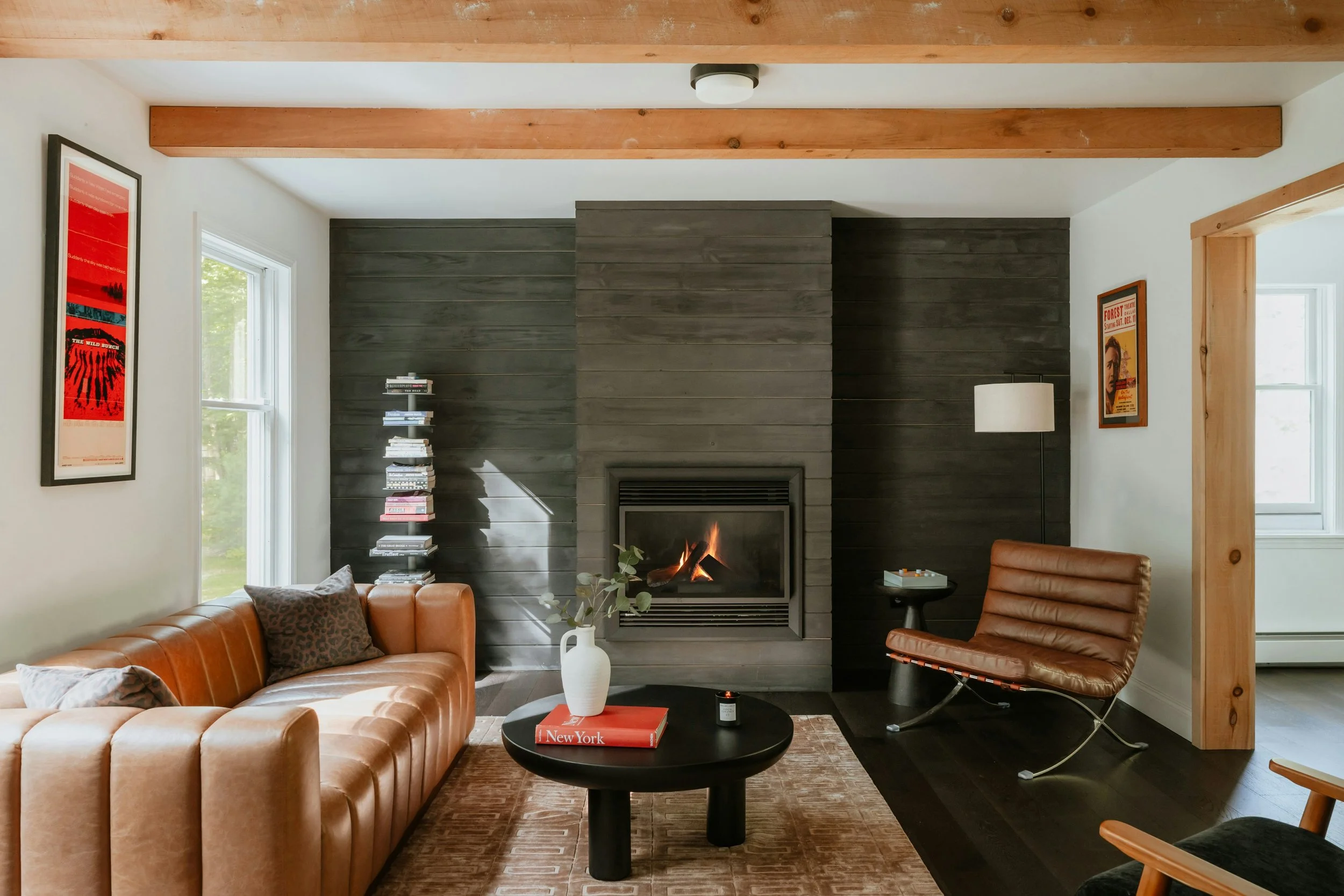
Wood Paneling Accent Walls for Warmth and Texture
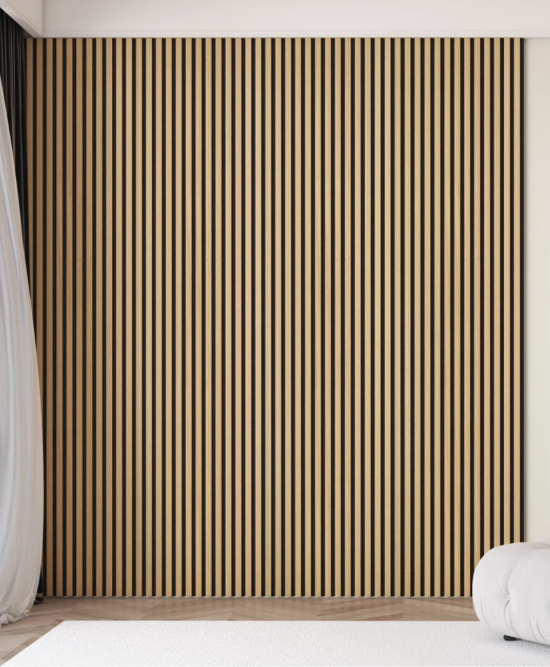
Wood paneling adds warmth and a tactile quality that paint alone can’t provide. Options include tongue-and-groove boards, beadboard, shiplap, flat wood panels, and narrow slats. Each creates a different effect, so choose the profile as carefully as the finish.
Beadboard can feel charming and traditional, wide planks can suit a relaxed coastal interior, and smooth walnut or oak panels can create a more tailored backdrop. Slatted wood adds a strong linear pattern, which is especially noticeable across a full wall.
Consider the other wood finishes in the room before making a selection. Your paneling doesn’t have to match the floor or furniture exactly, but the undertones should work together. In a room with wood flooring and substantial wood furnishings, a painted panel treatment may give you the texture you want while keeping the space balanced.
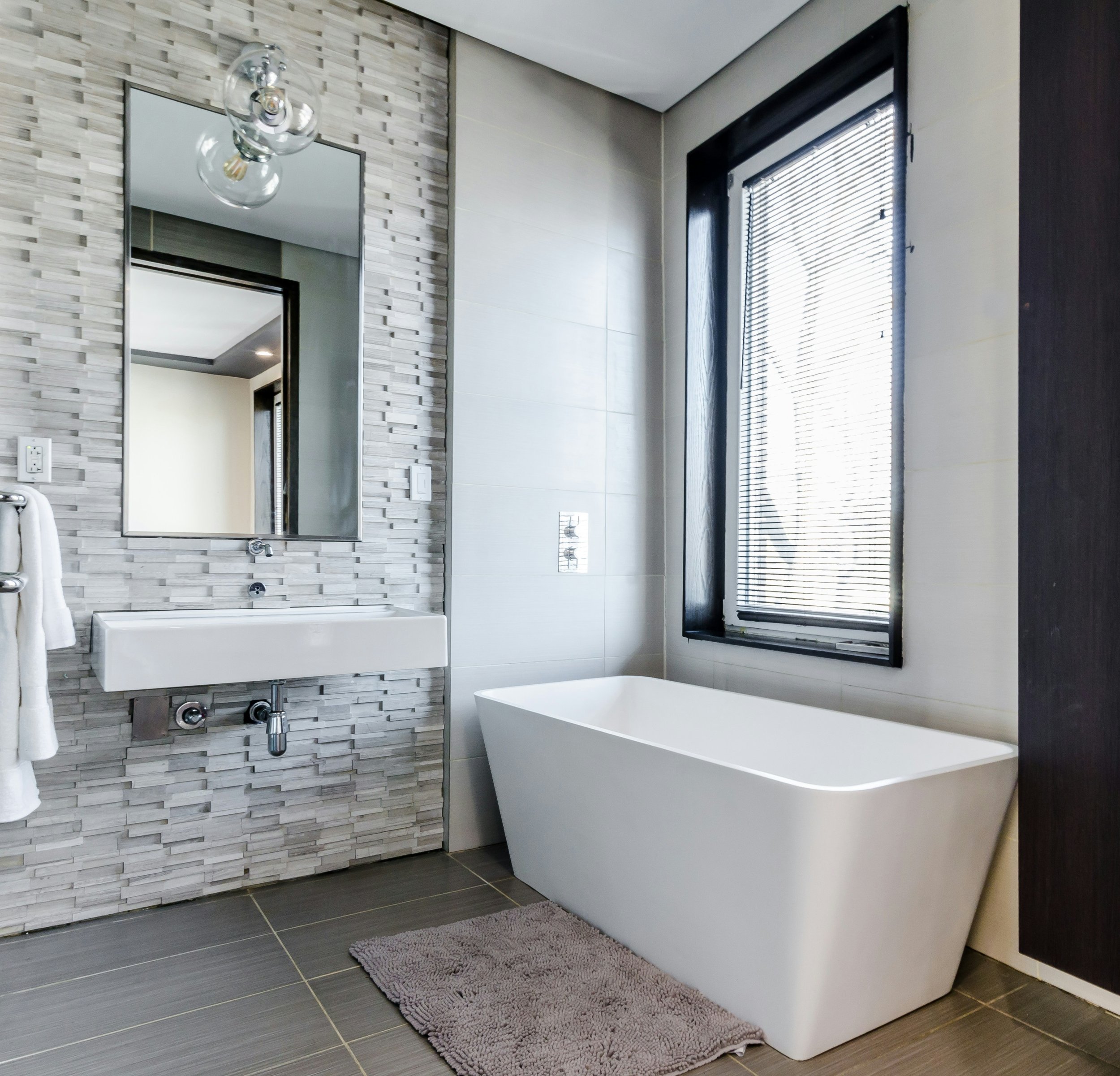
Tile Accent Walls Beyond the Kitchen Backsplash
Tile deserves consideration outside the backsplash and shower. It brings depth and a distinctive surface quality to an accent wall. Glossy glazes catch the light and add a subtle shimmer, while matte and textured finishes create a softer, more tactile effect. Variations across individual tiles can give even a single-color wall richness and movement.
A tonal palette lets the glaze and texture take the lead, while colorful tile or a patterned design makes a stronger statement. Layout adds another layer: a continuous stacked arrangement can feel tailored and orderly, while herringbone, basketweave, or alternating colors create a more decorative surface.
Tile works well when it connects with a functional area, such as a wet bar, a bathroom wall, a coffee station, or a covered lanai with a bar. Extending it above the usual backsplash height in the kitchen gives the area more presence and helps it feel like a deliberate designed decision.
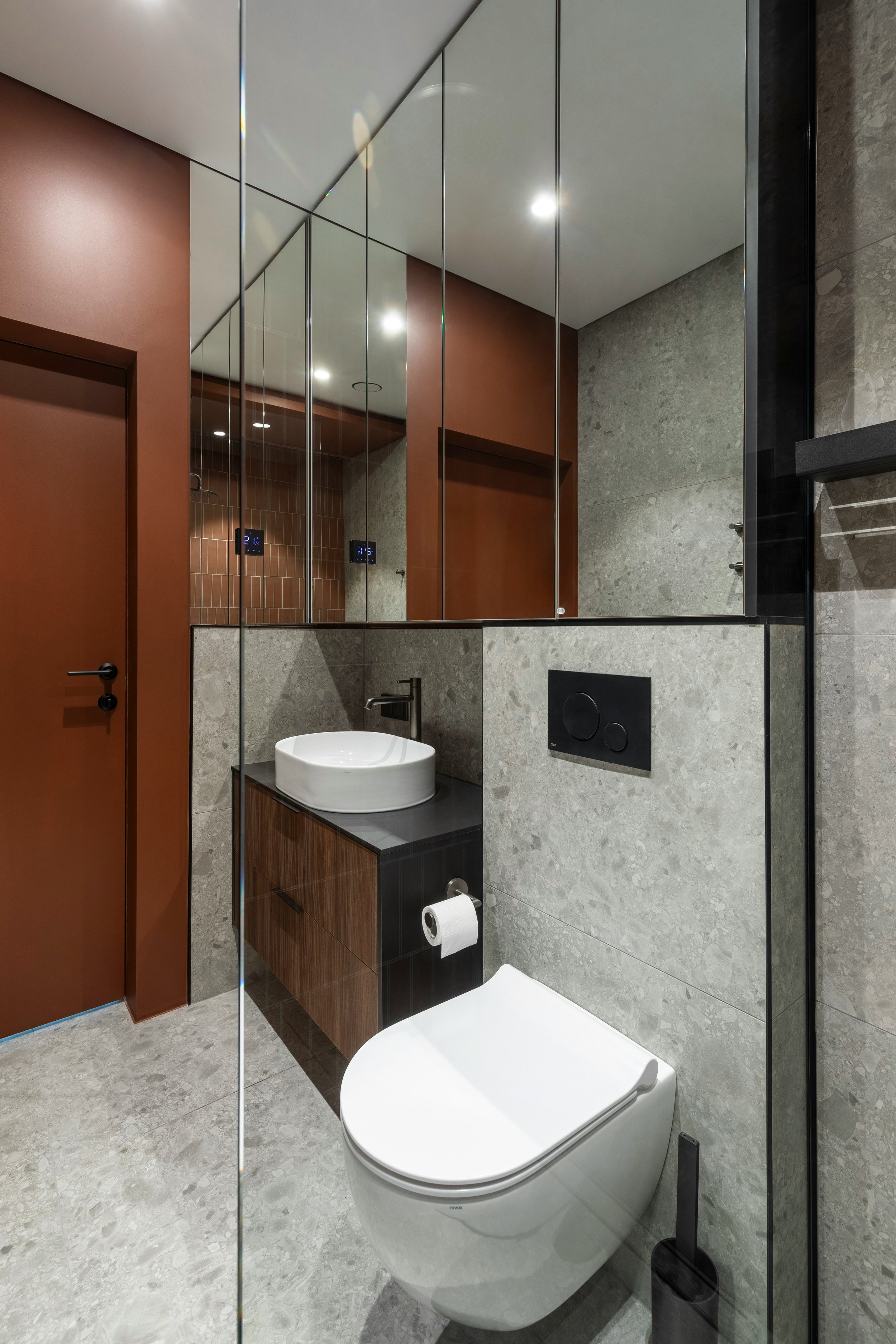
Full Mirrored Accent Walls for Light and Depth
An entire mirrored wall can become a striking design feature. Mirrors are a great option when the goal is to brighten a dark space or create a greater sense of depth. It also places emphasis on whatever appears in the reflection, making the surrounding furnishings, lighting, and architectural details part of the wall’s design.
Consider the reflection from different viewpoints before deciding on placement. A mirror can capture an attractive view or carry light farther into the room, but it can also double the appearance of clutter or reflect an area you’d prefer to keep out of focus.
Mirror works particularly well behind shelving, where it adds depth and reflects light around the objects on display. Clear mirrors create a crisp reflection, while antiqued finishes introduce softer movement and a decorative quality.
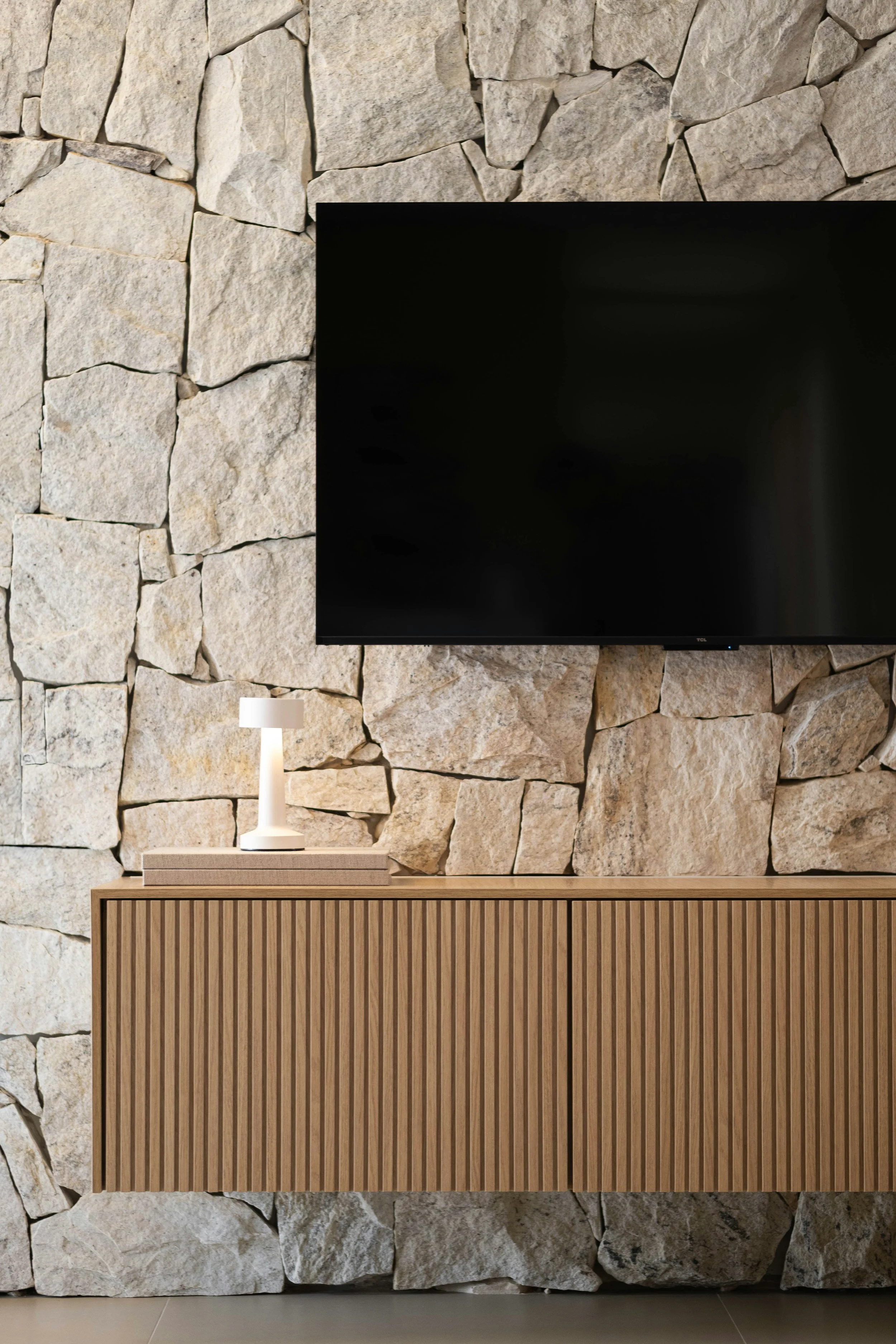
Stone Accent Walls for Natural Texture
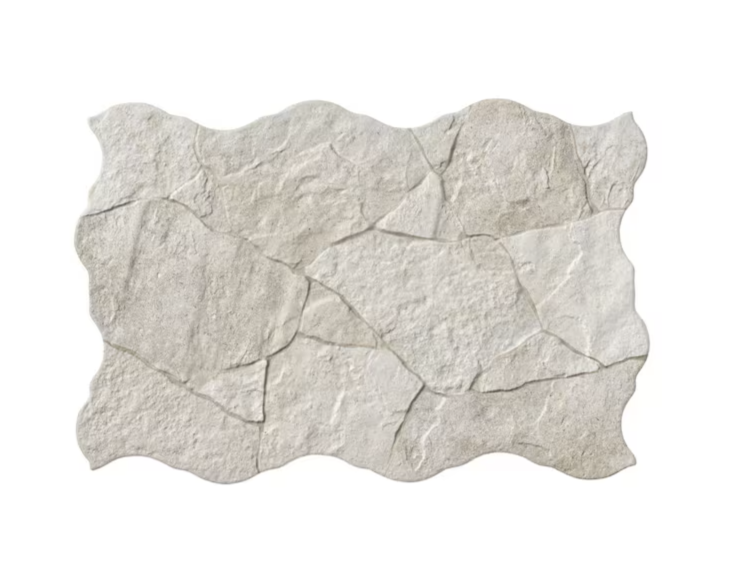
Stone brings texture and substance to a room, making it a strong option for a fireplace wall or another architectural focal point. Limestone, slate, fieldstone, and other stone finishes vary widely in color, surface texture, and overall character.
A rugged stone treatment can give a room a rustic quality, while smoother, more uniform pieces can feel restrained and tailored. Pay attention to the scale of the pieces and the depth of the surface. A heavily textured wall becomes a major visual element and needs room to stand out.
Balance the stone with softer furnishings and materials, such as upholstered seating, drapery, and rugs. Have your installer evaluate the wall and installation requirements before committing to a material, especially for heavier treatments.
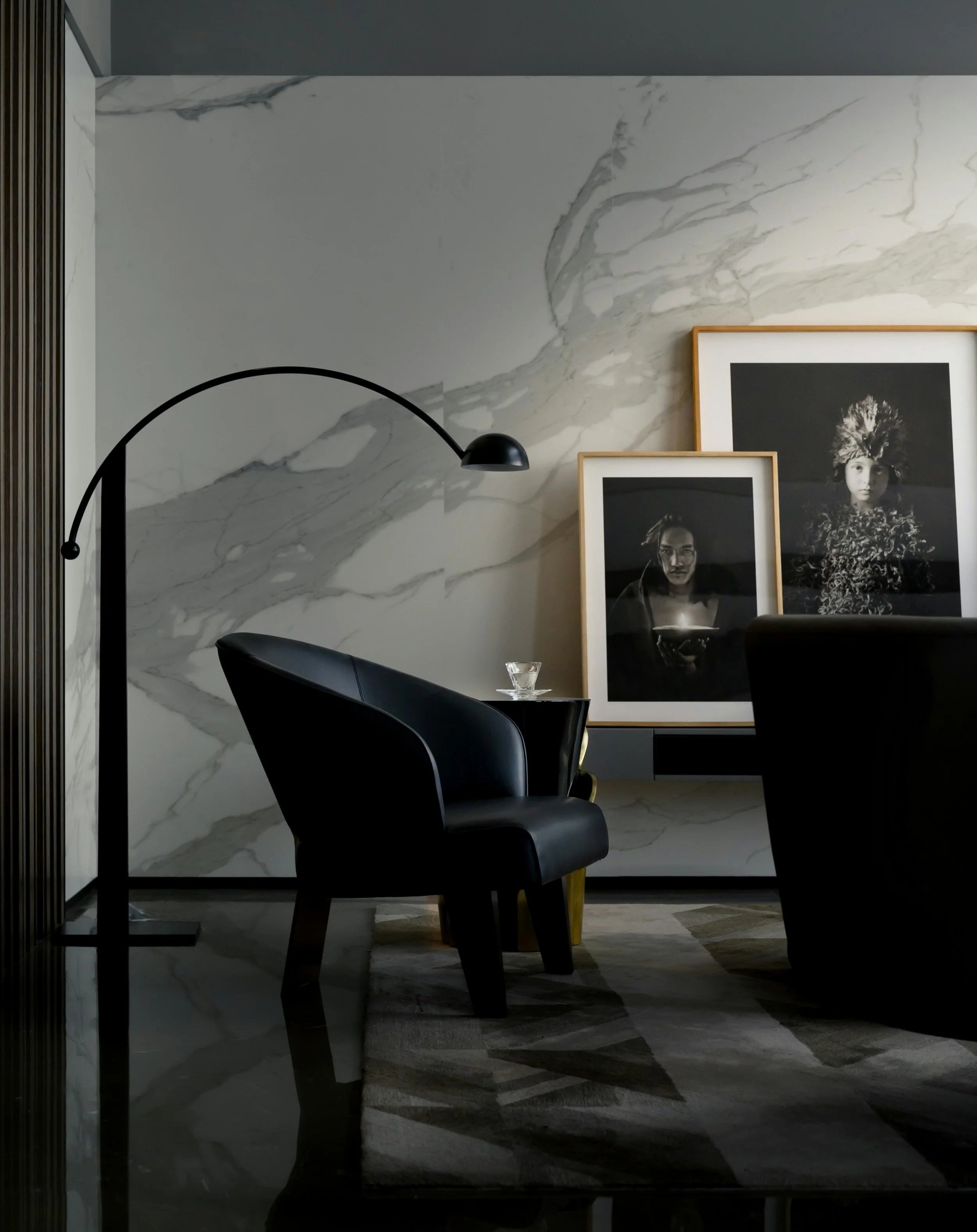
Marble and Slab Accent Walls for Dramatic Veining
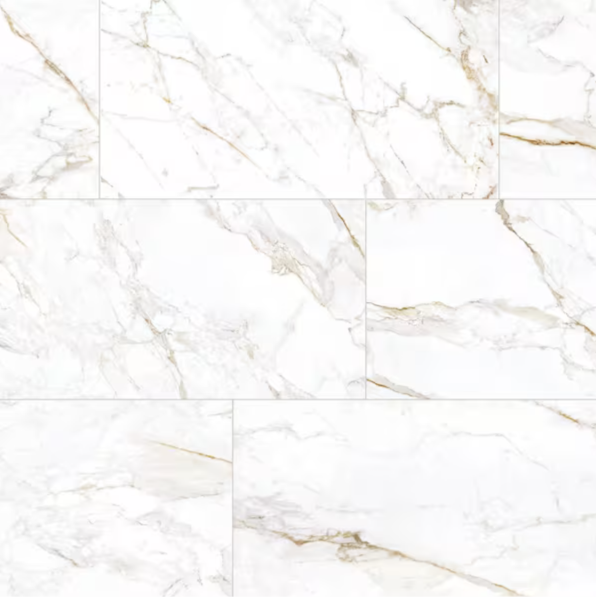
Marble creates a different kind of feature from textured stone. Its appeal often comes from the movement of the veining and the way a large surface allows that pattern to unfold. A marble wall behind a tub or surrounding a fireplace can become the centerpiece of the room.
Slab selection and layout are essential. Consider where prominent veins will fall, how seams will align, and how much of the surface will remain visible. Bookmatched slabs, where adjacent pieces create a mirrored vein pattern, can produce an especially dramatic composition.
Large porcelain slabs offer another way to explore a stone-look surface. Compare actual samples, finish options, care requirements, and installed costs before deciding. With any slab treatment, keep nearby patterns in mind so the wall has enough visual breathing room.
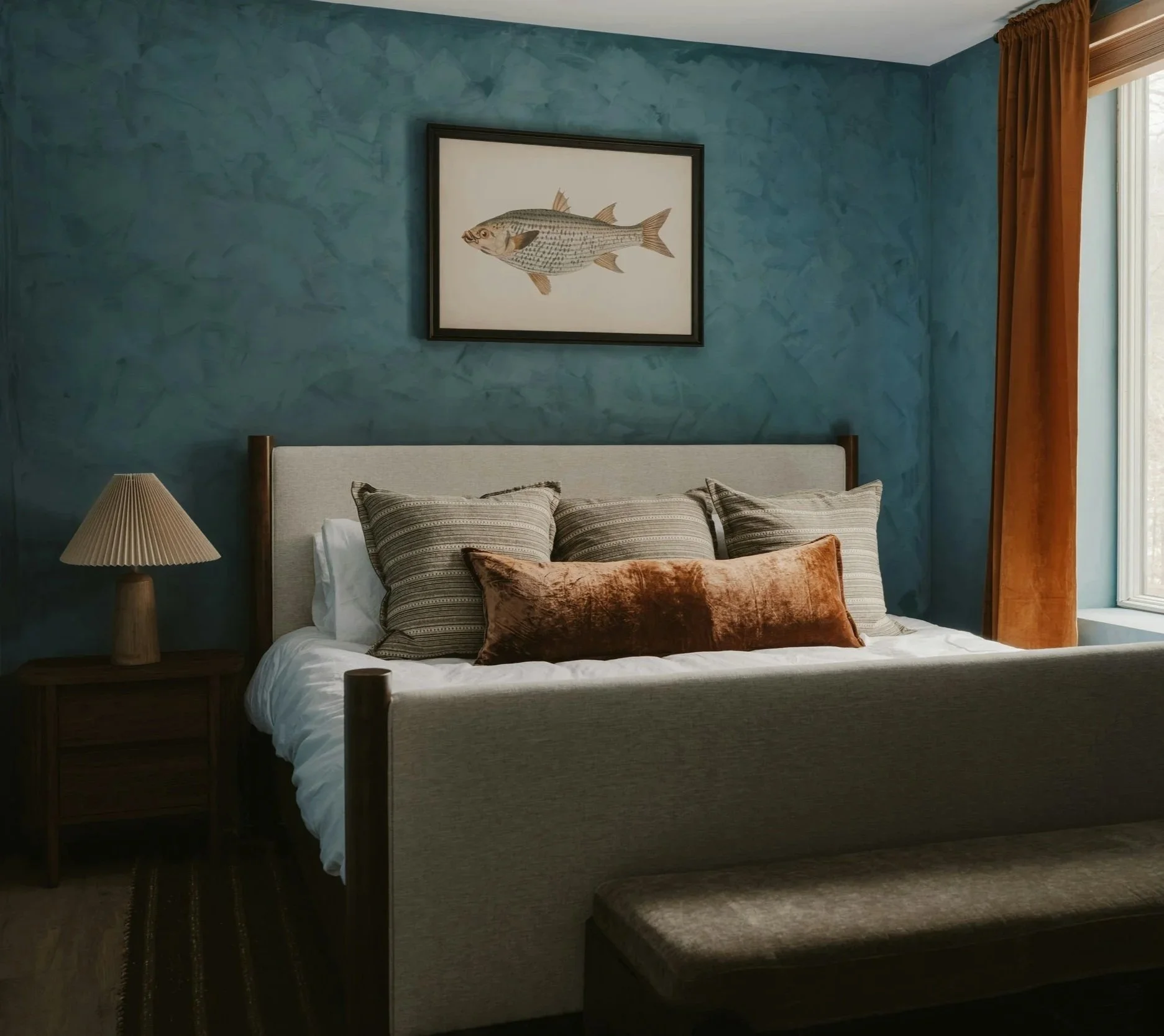
Plaster and Textured Finishes for a Softer Accent Wall
If you prefer quiet variation, consider a decorative plaster or limewash finish. Depending on the product and application, these treatments can create cloudy color movement, a softly weathered appearance, or a smoother surface with a gentle sheen.
They can be particularly effective in rooms where you want depth without a repeating pattern or a new color. A warm neutral finish behind a bed or across a dining room wall can add interest while allowing furnishings and artwork to remain prominent.
Review a sample of the actual finish before committing. Application technique affects the result, and some treatments need to extend across adjoining surfaces to achieve the look you’re envisioning. Confirm that the chosen product suits the room and its cleaning needs.
Give Your Walls Something Worth Noticing
An accent wall gives a surface that might otherwise go unnoticed a defining role in your home’s design. It can give a plain space character, highlight a favorite feature, or introduce a material you love in a way that changes the entire room. Whether subtle or dramatic, it should feel like a deliberate expression of your style.
Ready to see what your walls could become? At Mickler & Co. Design Studio, we help homeowners in Wilmington, NC, turn ideas into thoughtfully finished interiors. Explore our interior design services and start with a consultation to find the right direction for your home.
Until next time,
Christa
Explore More Designer Tips & Tricks
FAQ’s
Q: Which wall should be the accent wall?
A: Choose a wall that supports the room’s natural focal point, such as the wall behind a bed or around a fireplace. Check the view from the entrance and the furniture layout before deciding.
Q: Can an accent wall work in a small room?
A: Yes. A thoughtfully placed wall treatment can give a small room definition and personality. Consider pattern scale, lighting, and what will sit in front of the wall so the result feels balanced.
Q: Does an accent wall have to be a different color?
A: No. Trim, wood paneling, textured wallpaper, and plaster can create a feature through dimension or surface variation. Keeping the color close to the surrounding walls can produce a subtle effect.
Q: How do you choose between paint and a more permanent wall treatment?
A: Consider your budget, the effect you want, and how long you expect to keep the design. Paint is generally easier to change, while tile, stone, and millwork require more planning and installation work.
Not Local? No Problem!
We also offer virtual design services for homeowners outside the Wilmington area.