

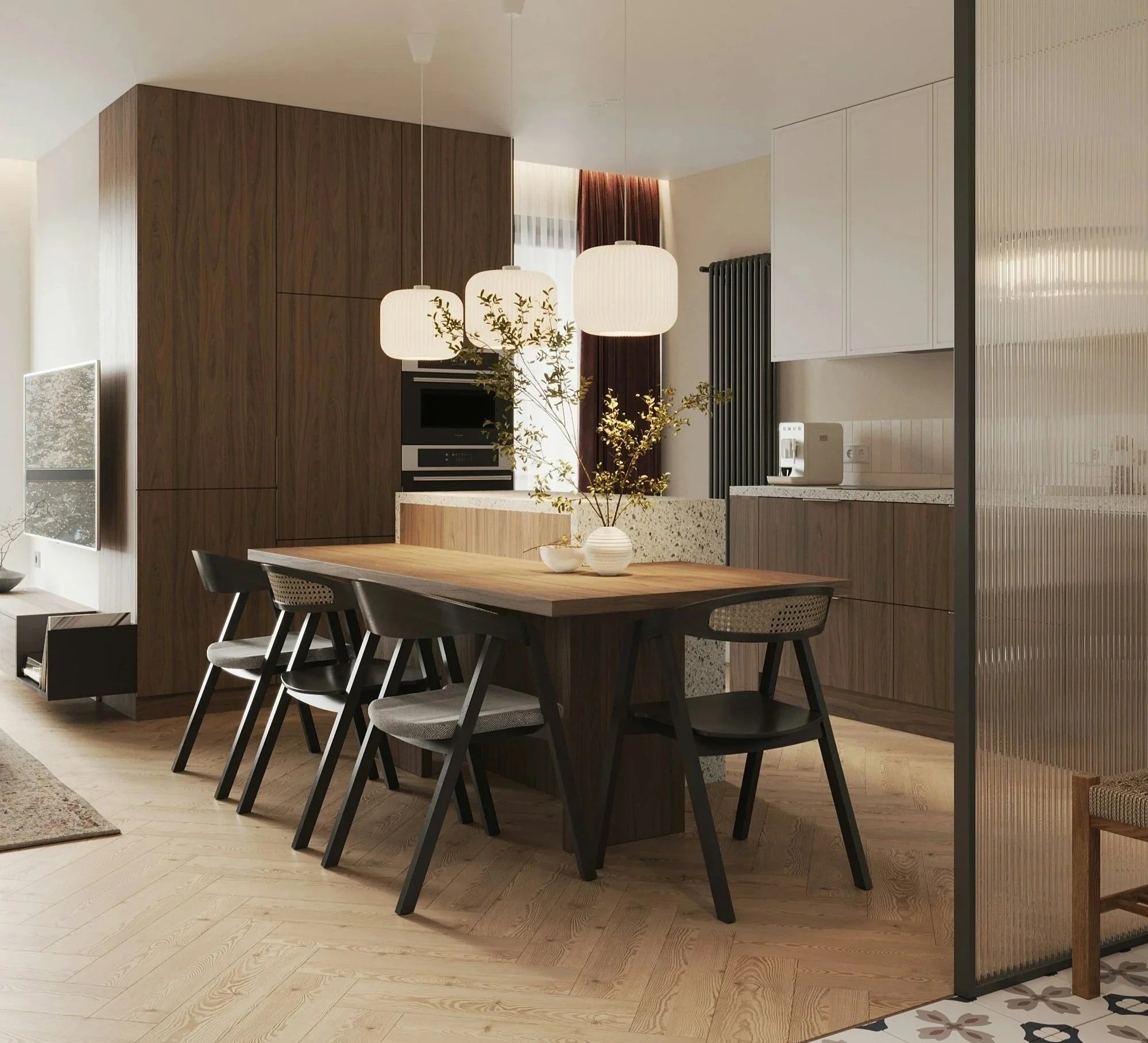
If you've ever tried to furnish a room with existing hardwood floors, wood cabinetry, or a favorite piece of furniture, you've probably wondered: Do all of the wood tones need to match?
The tradition of matching wood tones throughout your home is no longer a rule that needs to be followed. In fact, thoughtfully mixing wood tones can add warmth, depth, and visual interest to a space, making it feel more layered, dynamic, and collected.
The key is knowing how to combine different finishes in a way that feels intentional rather than mismatched.
Here's how we approach mixing wood tones in our interior design projects.
How to Mix Wood Tones in a Room
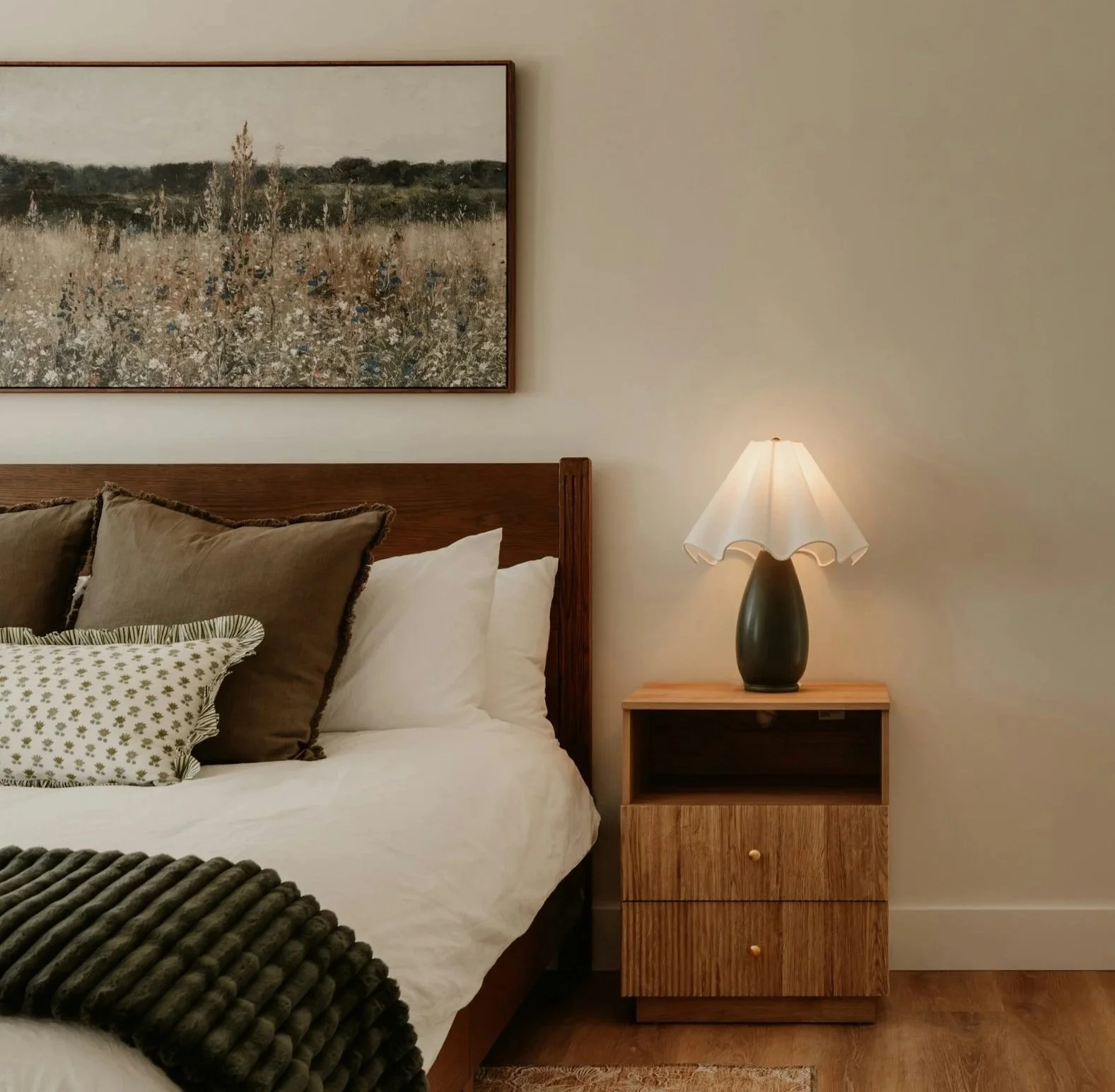
Before choosing additional wood finishes, start by identifying what's already established in the room.
That could be flooring, cabinetry, millwork, or furniture you plan to keep.
You don't necessarily need to match these pieces. Instead, think of the most prominent wood finish as the starting point for the rest of the room.
If we're designing around an existing piece a client loves, for example, we'll consider its finish before selecting flooring, cabinetry, furnishings, or other wood elements.
This gives us a dominant wood tone to work from without forcing every other selection to look exactly the same.
How to Identify Wood Undertones
Once you've identified the dominant wood in the room, look beyond whether it's simply "light" or "dark."
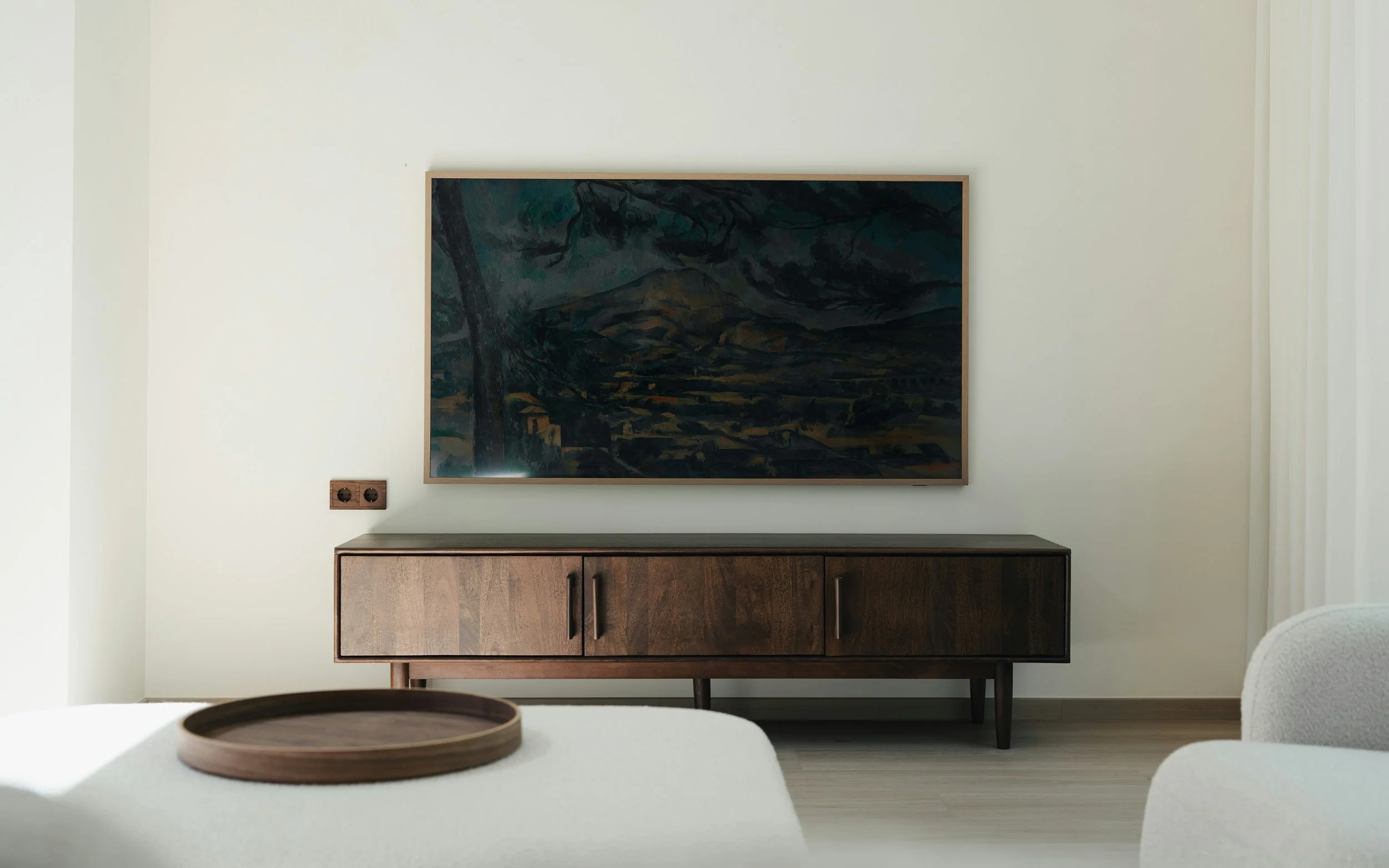
Wood finishes also have undertones.
Some lean warm with noticeable red, orange, yellow, or golden tones. Others feel cooler, more neutral, gray, or even slightly ashy.
The undertone often matters more than the actual depth of the wood.
Two medium-brown woods can look surprisingly disconnected if one has a strong red undertone and the other has a cooler gray undertone. Meanwhile, a very light oak and a much darker walnut can work beautifully together when their undertones relate to one another.
This is why matching wood based solely on how light or dark it is doesn't always work.
Can You Mix Light and Dark Wood Furniture?
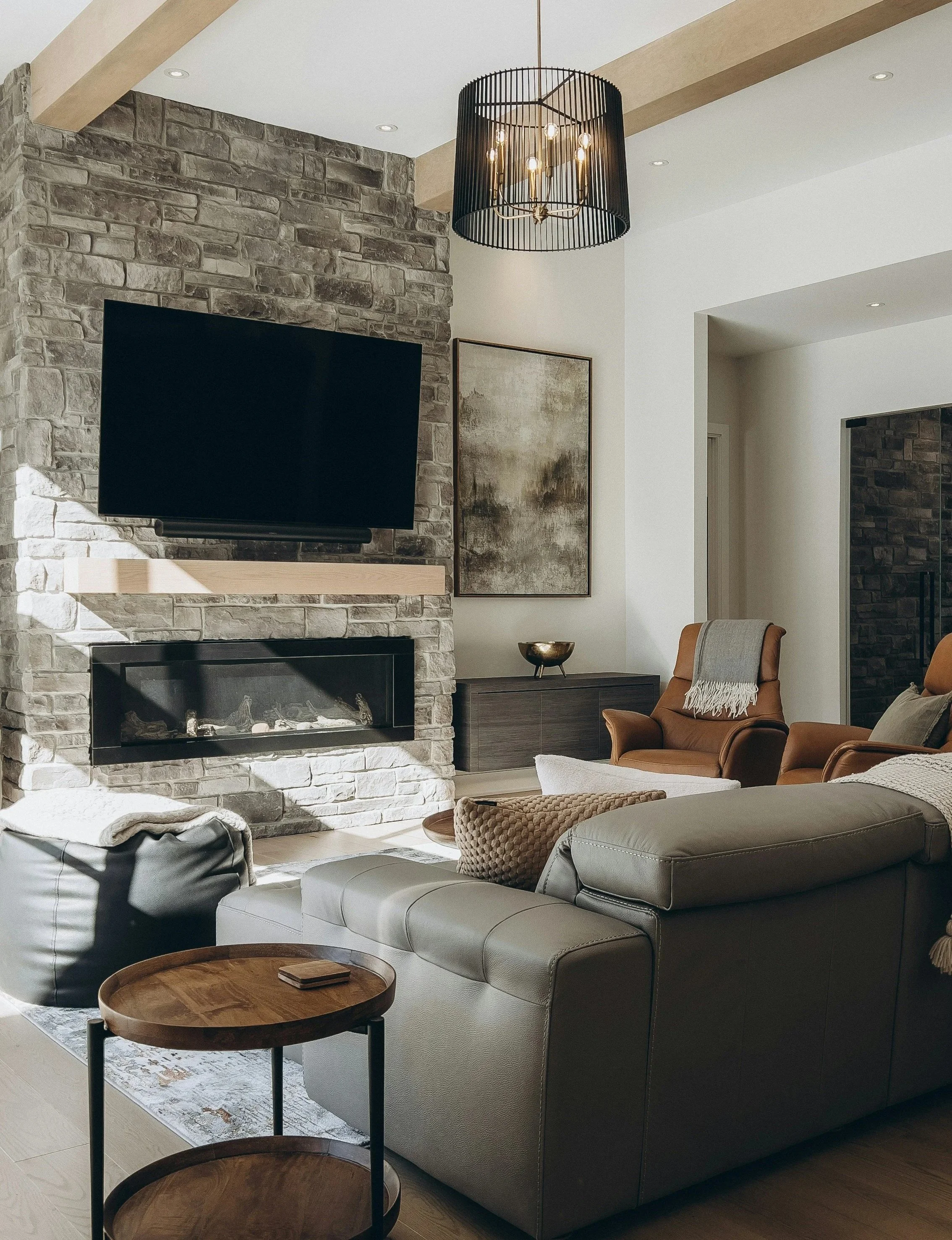
Using both light and dark woods can create much more depth than filling a room with furniture in one matching finish.
Contrast makes each element easier to appreciate.
A lighter wood dining table can work with darker wood flooring. A dark console can sit comfortably in a room with light oak furniture. A vintage wood chest can add warmth to a space filled with newer, lighter finishes.
The difference should look intentional.
If two wood finishes are extremely similar but not quite the same, they can sometimes look like an unsuccessful attempt at matching. Creating a little more contrast can actually make the combination feel more deliberate.
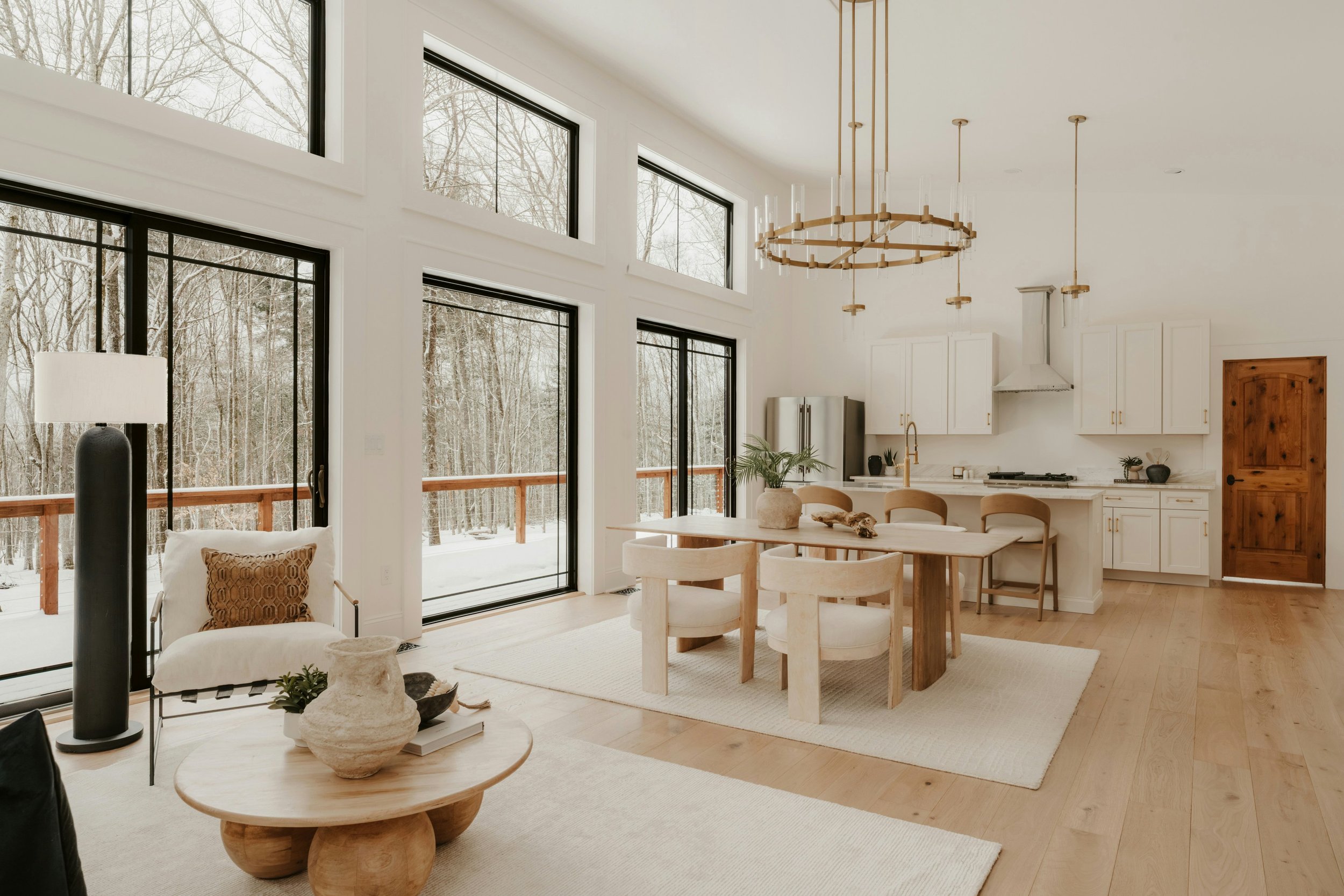
How Many Wood Tones Can You Mix in One Room?
There isn't a hard rule that says you can only use two or three wood finishes.
What matters more is whether the room has a clear visual hierarchy.
Choose one dominant wood tone and allow the others to support it rather than having every finish compete for attention.
You can also repeat a secondary wood tone somewhere else in the room. For example, a darker wood used on a console might appear again in a picture frame, chair legs, or another small detail.
That repetition helps the different finishes feel connected without making the room look like a matching furniture set.
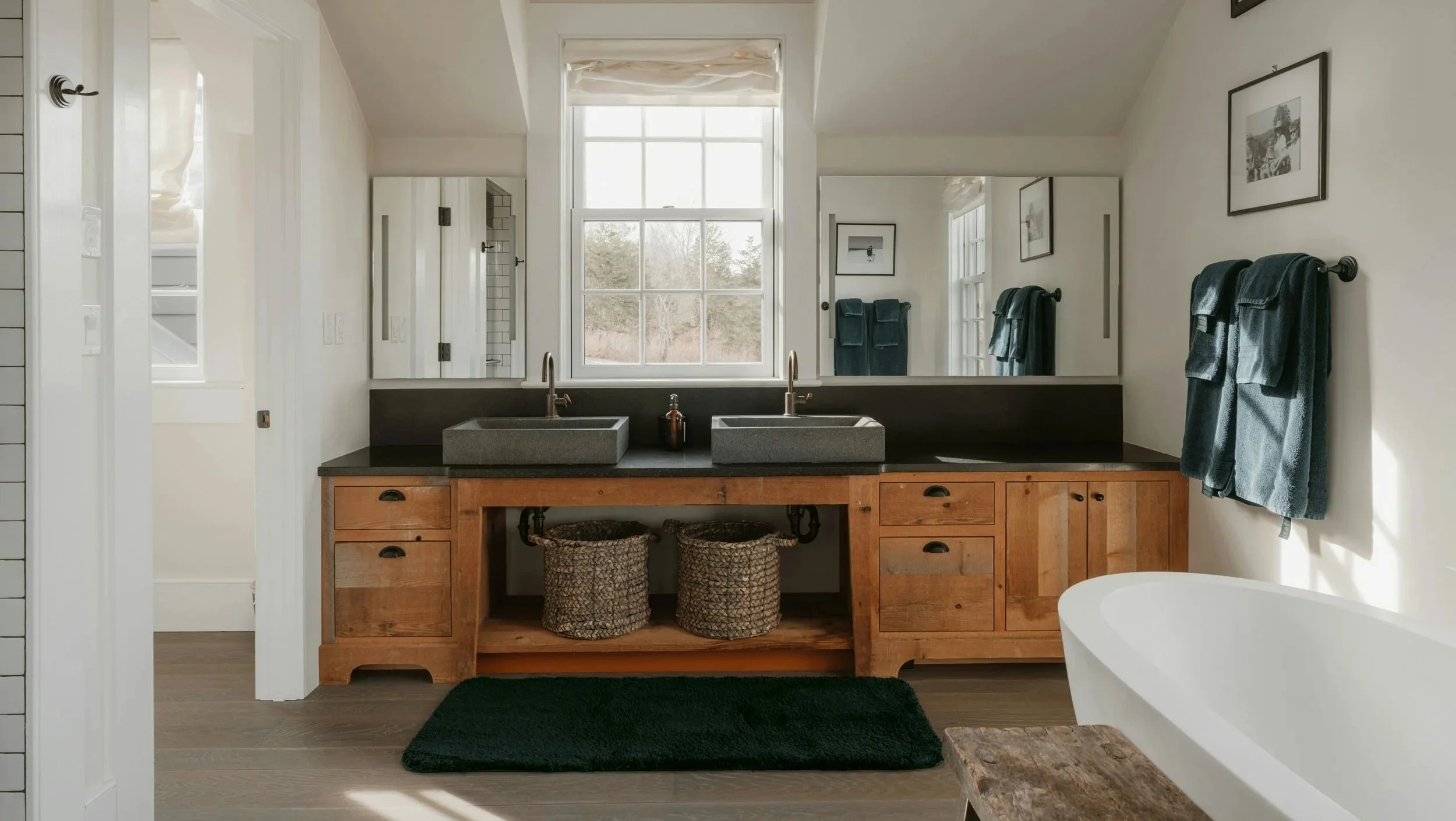
How to Keep Mixed Wood Tones Looking Cohesive
Wood isn't viewed in isolation. Everything surrounding it affects how we perceive the finish.
Paint color, upholstery, rugs, stone, metal finishes, and natural light all influence how wood tones read within a room.
A rug can be especially useful when you're combining a wood dining table with hardwood floors because it creates visual separation between the two finishes.
Textiles can do something similar in living rooms and bedrooms. Upholstery, bedding, window treatments, and pillows give the eye somewhere to rest between multiple wood elements.
This is where the entire color palette becomes important.
Instead of asking whether two wood finishes match, we usually ask whether they make sense within the whole room.
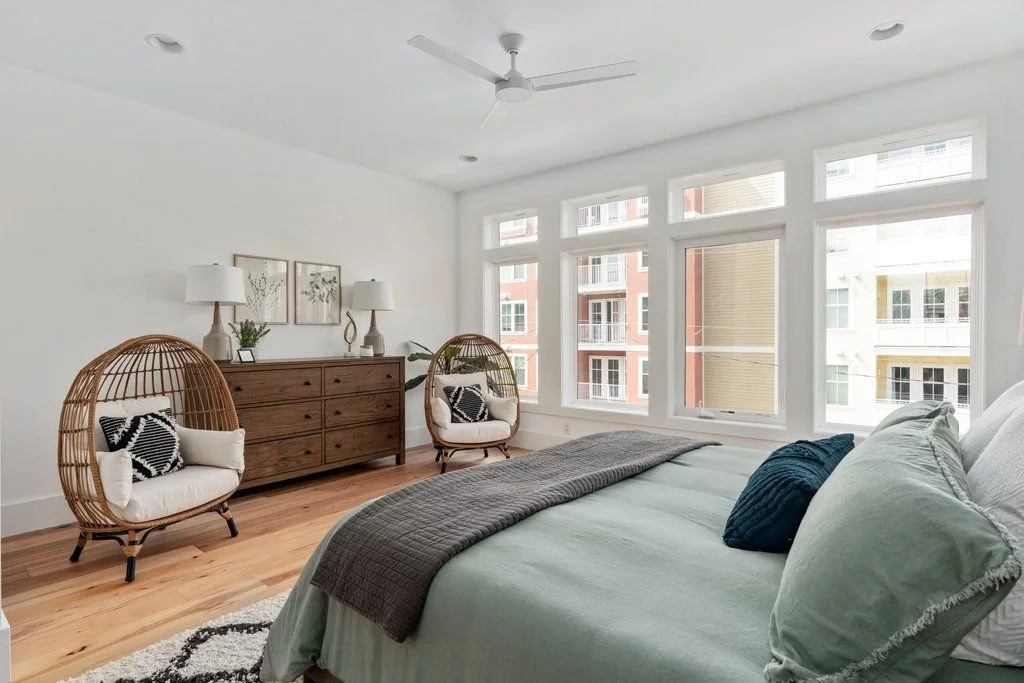
Mixing Wood Tones in Coastal Homes
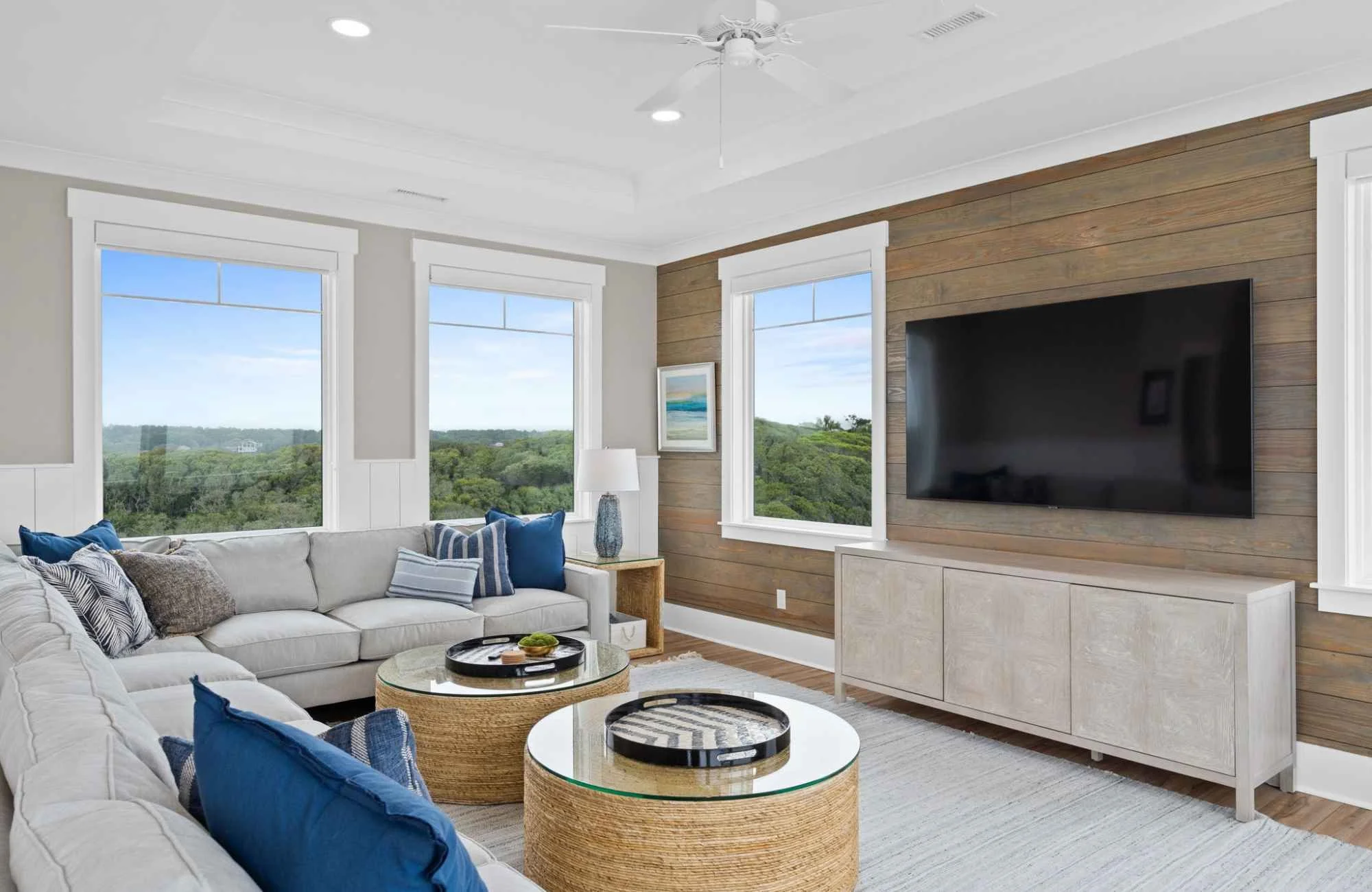
Mixing wood finishes works particularly well in coastal homes because it creates warmth and texture without relying on obvious coastal themes.
In the Wilmington, NC homes we design, we're often working with combinations of natural oak, painted cabinetry, woven materials, weathered finishes, and existing furniture.
Rather than making every finish identical, we use those differences to create a home that feels collected and relaxed while still being cohesive.
A coastal home doesn't need matching oak wood everywhere to feel light and airy. Strategic contrast can actually make the lighter finishes stand out more.
If you're remodeling, furnishing a new home, or trying to figure out how to incorporate furniture you already own, these are exactly the kinds of decisions we work through during the design process.
Need help putting it all together? Mickler & Co. Design Studio creates layered, functional interiors throughout Wilmington, NC and the surrounding coastal communities.
Explore More Designer Tips & Tricks
Until next time,
Christa
FAQ’s:
Q: Is it okay to mix different wood colors in the same room?
A: Yes. Mixing different wood colors can add depth and visual interest to a room. Start with one dominant wood tone and choose additional finishes that either complement it or create intentional contrast.
Q: Do all wood undertones need to match?
A: Not necessarily, but understanding undertones makes mixing wood much easier. Woods with compatible undertones tend to blend naturally, while contrasting undertones need to be balanced more deliberately with the rest of the room's palette.
Q: Can you mix warm and cool wood tones?
A: Yes, although it requires more consideration than combining woods with similar undertones. Repeating colors elsewhere in the room and using rugs, upholstery, paint, and other materials can help bridge the difference.
Q: What if my existing furniture doesn't match my new flooring?
A: Don't assume you need to replace it. Look at the undertones, the amount of contrast, and how the piece works with the entire room. An existing piece in a different wood finish can become an intentional part of the design rather than something you need to disguise.
Not Local? No Problem!
We also offer virtual design services for homeowners outside the Wilmington area.