

Interior Trim: The Designer Secret to a More Elevated Home
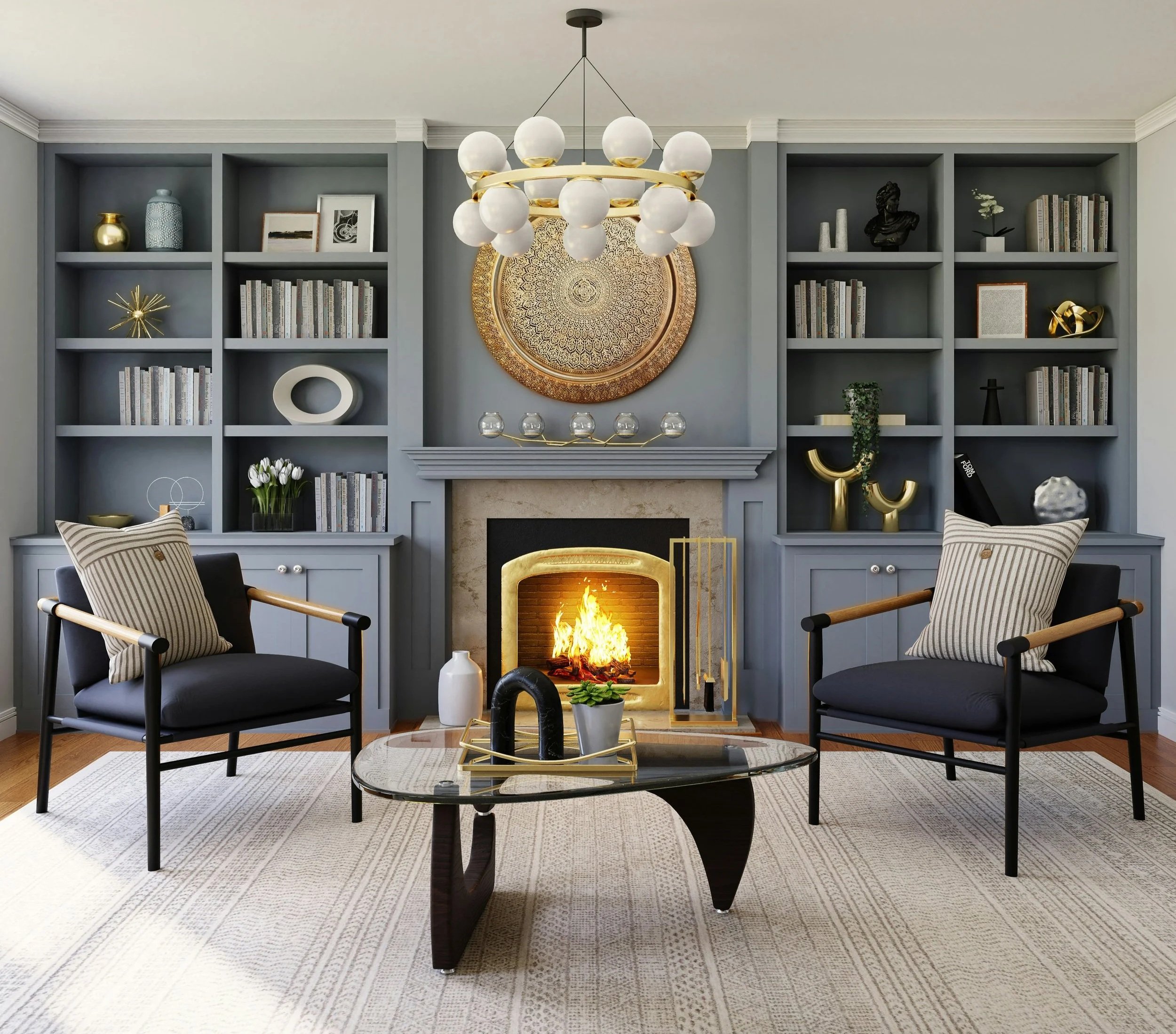
There’s a reason trim work is one of the best-kept secrets of stylish interiors: it doesn’t always announce itself. Instead, you simply walk into a room and notice that it feels complete. The ceiling feels a little taller. The walls feel more interesting. The furnishings feel connected to the architecture. Everything appears more intentional.
That is the power of thoughtful interior trim.
At Mickler & Co. Design Studio, we believe the most memorable interiors are found in the details. Crown molding, wall paneling, and thoughtfully selected baseboards may not always be the first things you notice in a room - but they can be the reason the entire space feels finished.
If your home looks beautiful but still feels like it’s missing something, interior trim may be the layer you’ve been overlooking.
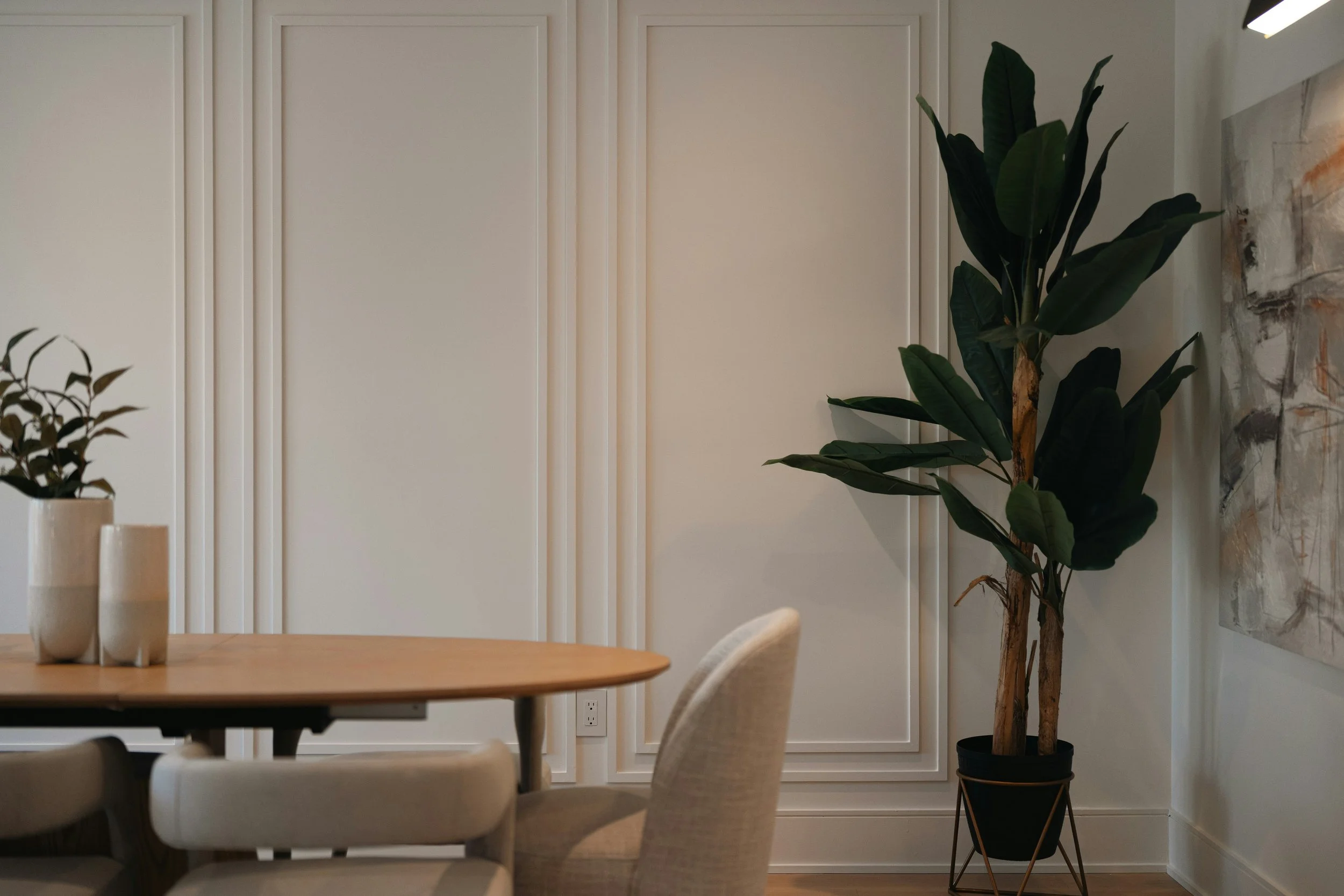
Why Interior Trim Makes a Room Feel More Custom
A room can have beautiful furnishings, a thoughtful color palette, and carefully selected accessories and still feel incomplete. That’s often because the architectural details haven’t been given the same attention as the furnishings.
Interior trim helps bridge that gap.
Trim work creates definition, adds dimension, and subtle details. It can act as a guide for the eyes, directing the gaze to move through the space naturally.
Think of it as the architectural equivalent of accessorizing an outfit. The basics may already be beautiful, but the right finishing details are what make the look feel complete and distinctly yours.
For coastal homes in Wilmington, NC, especially those with large open floor plans, tall ceilings, and expansive windows or sliding glass doors, architectural details can help define and ground the space. Thoughtful trim, crown molding, and wall detailing add visual interest and dimension to generous walls and soaring ceilings, creating a sense of warmth and proportion without taking away from the light, airy feeling that makes coastal homes so inviting.
How Crown Molding Can Elevate Your Interior
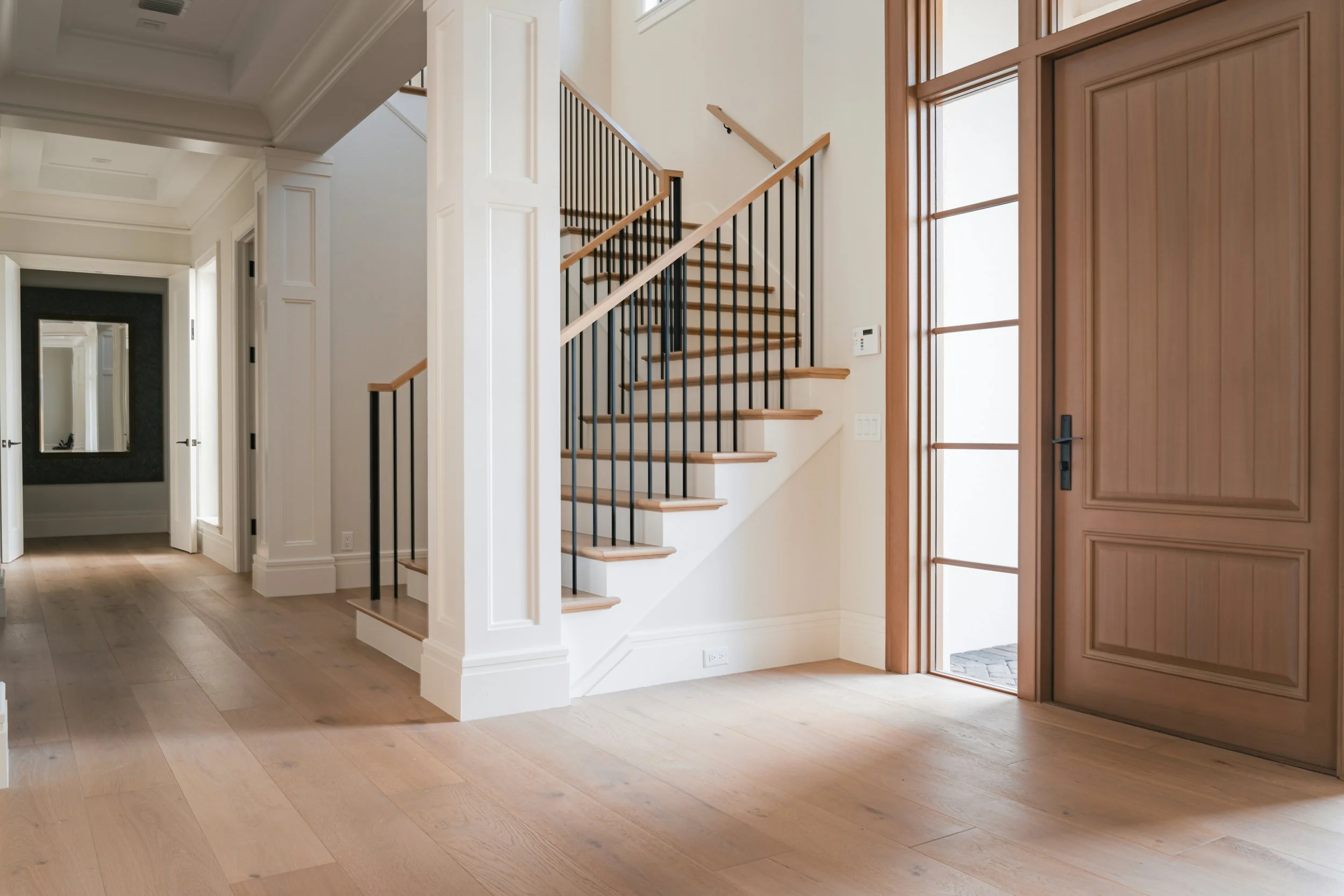
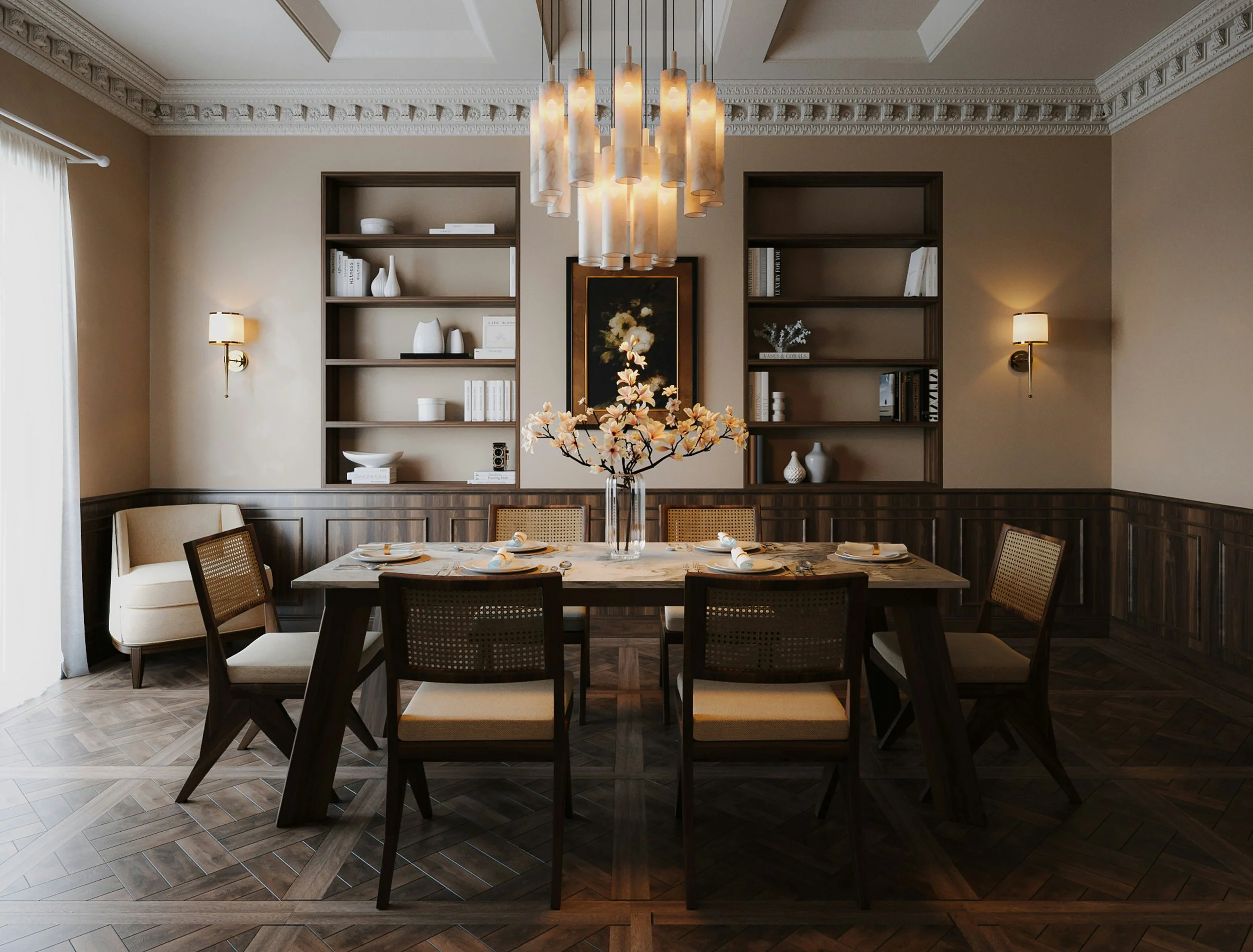
Crown molding creates a graceful transition between the walls and ceiling, giving a room a finished architectural edge.
One of its biggest design benefits is the way it draws the eye upward. This can help a space feel taller and more expansive, particularly in rooms where the ceiling might otherwise feel visually flat.
The key is choosing a profile and scale that work with the architecture of the home. Crown molding should enhance the room rather than compete with everything else happening within it.
Professional installation also matters. Seamless corners and carefully executed transitions create the polished look that makes crown molding feel like an intentional part of the architecture - not an afterthought.
For a traditional home, a more substantial profile can reinforce existing character. In a more contemporary home, a simple profile can provide just enough definition without making the space feel overly formal.
How Wall Paneling Adds Texture and Dimension
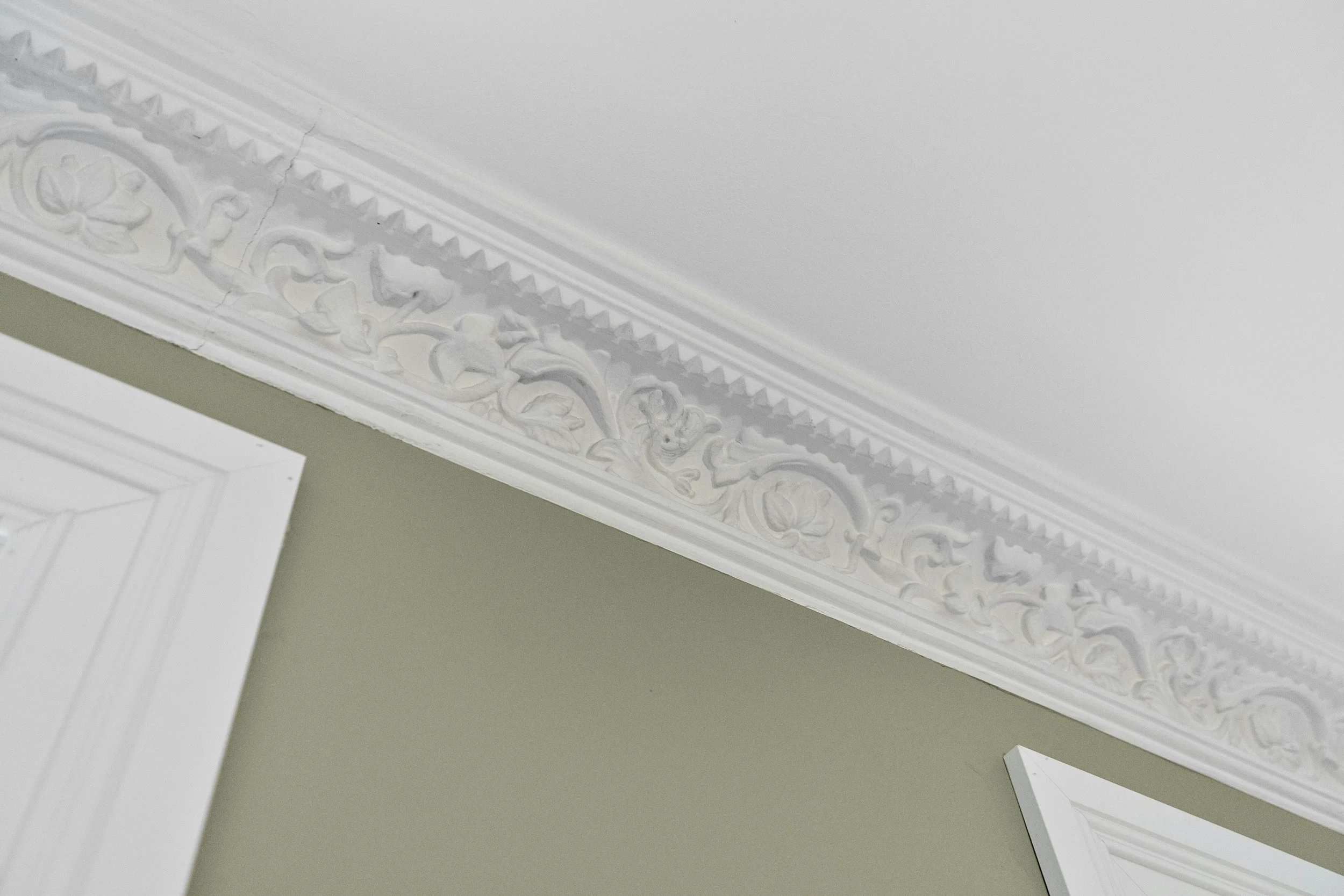
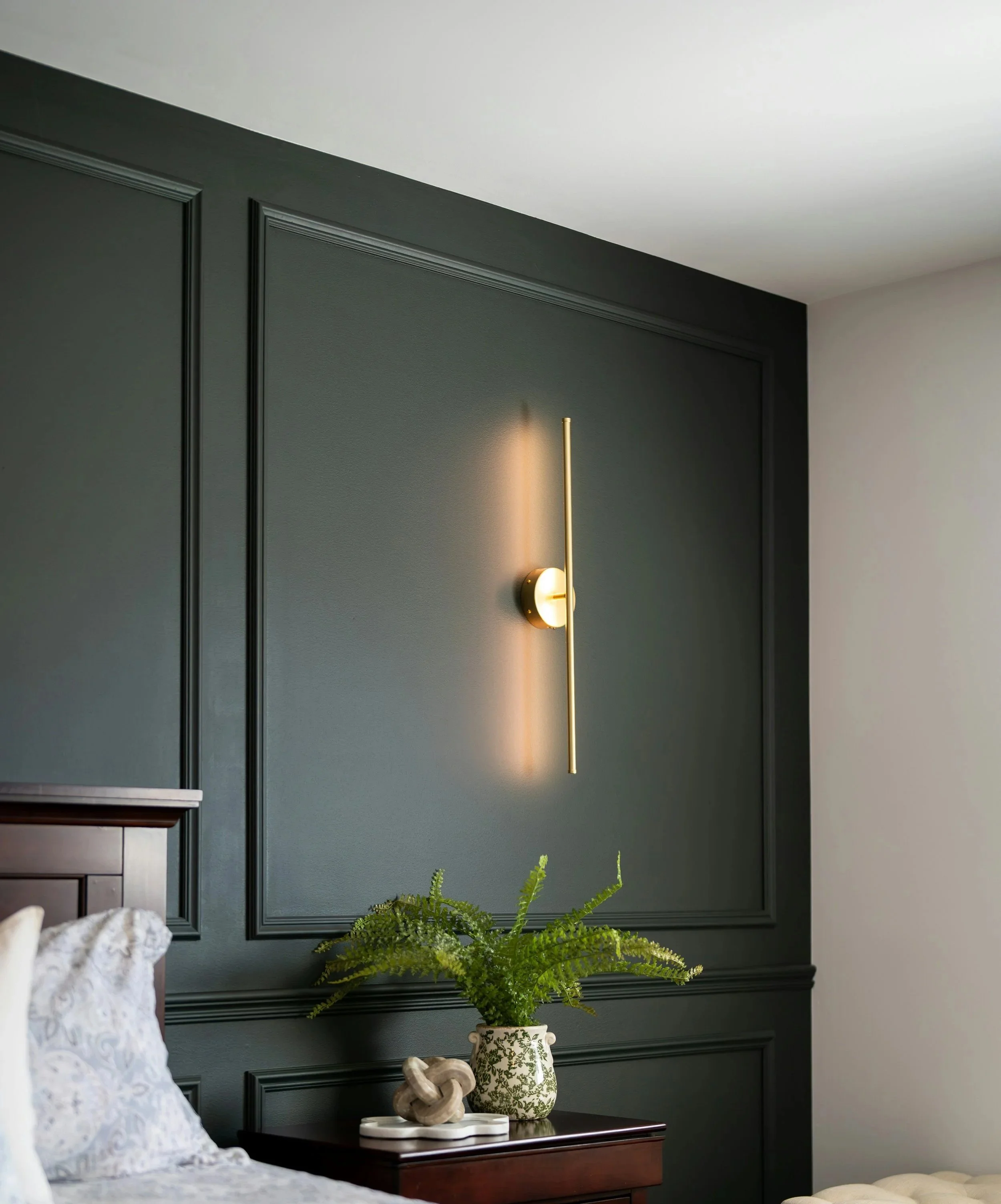
Wall paneling is one of our favorite ways to transform an ordinary wall into a design feature.
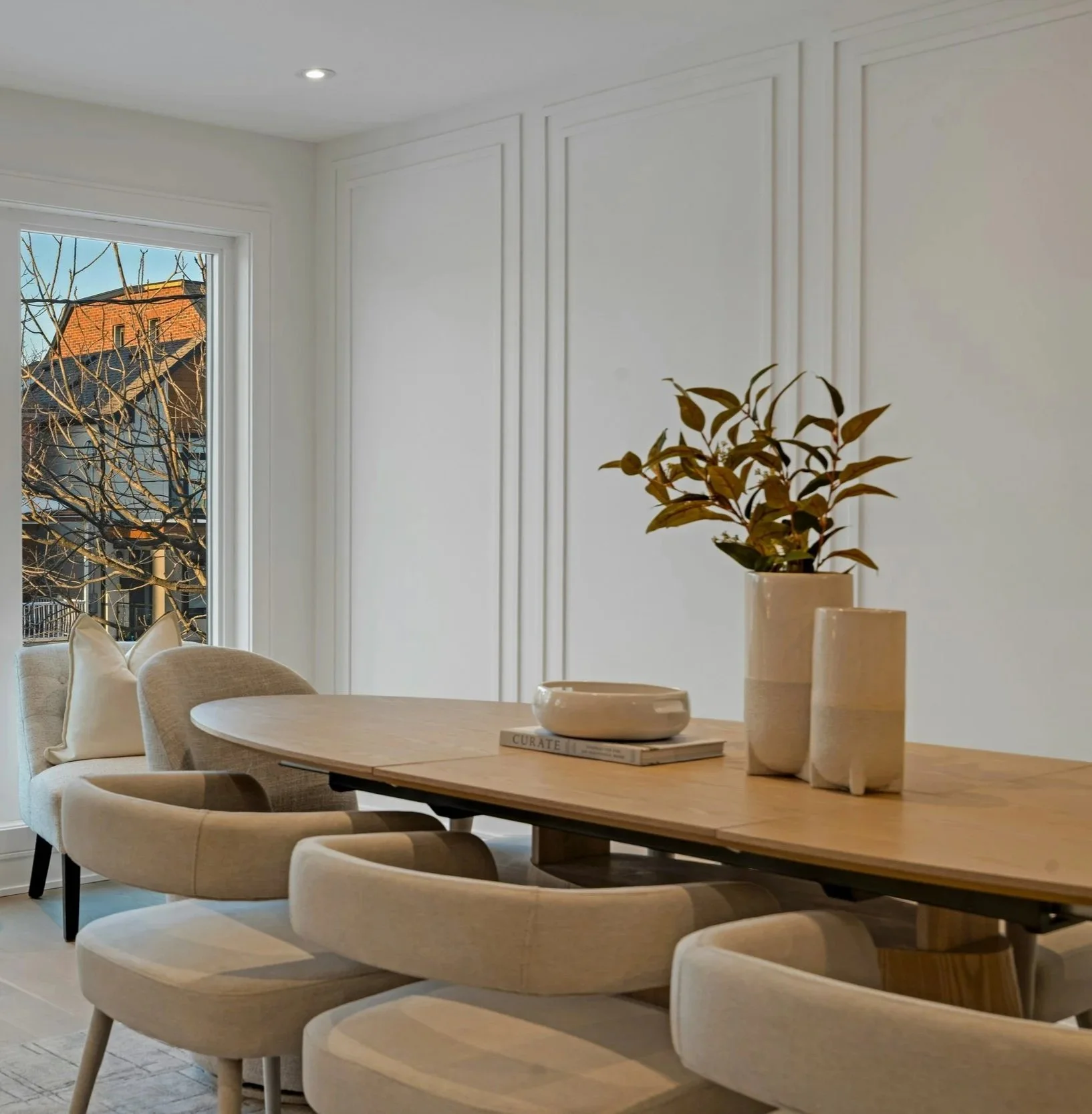
Whether you choose classic wainscoting, picture-frame molding, or a more contemporary geometric treatment, paneling creates texture and dimension that paint alone cannot provide.
And the beauty of wall paneling is its versatility.
It can add architectural character to a dining room, create a sophisticated backdrop in a bedroom, bring structure to a hallway, or make a living room feel more layered and complete. It can also be painted to blend seamlessly into the room or used as a subtle contrast to emphasize the architectural detail.
The goal isn’t necessarily to make the paneling the star of the room. Instead, it should work alongside your furnishings, lighting, artwork, and textiles to create an interior that feels collected and cohesive.
Why should a wall be just a wall?
How to Choose the Right Baseboards for Your Home
Baseboards may be one of the most overlooked elements of a room, but they have a surprisingly important role in creating visual balance.
A taller or more detailed baseboard profile can anchor a space and give the walls a stronger architectural foundation. It’s a small change that can make a room feel more thoughtfully composed.
Historic homes often showcase this beautifully, with oversized baseboards and intricate profiles that reflect the craftsmanship of their era. While every home doesn’t need an elaborate eight-inch-plus baseboard, the lesson remains relevant: proportion and detail matter.
In newer homes, baseboards are often simple and understated. They are made to blend in and there is no issue with that - but selecting a profile with a little more presence can be an opportunity to bring additional character into an otherwise builder-grade space.
The best baseboard is the one that makes sense for the scale, style, and architecture of your home.
How to Use Trim Work Without Making Your Home Feel Overdone
More trim doesn’t automatically mean better design.
The goal is balance.
Before adding crown molding, paneling, or upgraded baseboards, consider the architecture that already exists in your home. Look at ceiling height, room proportions, door and window casings, flooring, cabinetry, and the overall style of the space.
From there, trim can be used strategically to emphasize what is already working.
A few things to consider:
Pay attention to scale. Trim should be proportional to the room and ceiling height.
Consider the architecture. The trim should feel like it belongs with the home rather than being layered on top of it.
Create consistency. Repeating architectural details throughout connected spaces can make the entire home feel more cohesive.
Use trim to add character. A plain wall or hallway can become a memorable design moment with the right paneling.
Think beyond one room. Trim details are most successful when they support the overall design story of the home.
This is where a designer’s eye can make a meaningful difference. The right trim profile, placement, scale, and finish can elevate a room without overwhelming it.
Whether you’re renovating, refurnishing, building, selling, or preparing a short-term rental, the architectural details deserve a place in the conversation.
If you’re ready to take your home beyond simply beautiful and create a space that feels truly considered, we’d love to help.
Explore More Designer Tips & Tricks
Until next time,
Christa
FAQ’s: Interior Trim
Q: What types of interior trim make the biggest difference?
A: Crown molding, wall paneling, and baseboards can each make a noticeable impact. The best choice depends on the room, ceiling height, existing architecture, and overall design style.
Q: Should all the trim in my home match?
A: Not necessarily. Trim should feel cohesive throughout the home, but different spaces may call for different treatments. The most important consideration is that the profiles, scale, and details work together as part of the larger design.
Q: Can trim help a builder-grade home feel more custom?
A: Yes. Adding architectural details such as wall paneling, upgraded baseboards, or appropriately scaled crown molding can introduce character and visual interest to spaces that might otherwise feel generic.
Q: Is interior trim a big investment?
A: It depends on the type of trim and the scope of the project. While custom trim work can be a larger investment, there are also trim kits available for purchase that are affordable, easy to install, and a great option for adding architectural detail without a major renovation.
Not Local? No Problem!
We also offer virtual design services for homeowners outside the Wilmington area.