

The Art of Mixing Patterns to Elevate Your Space
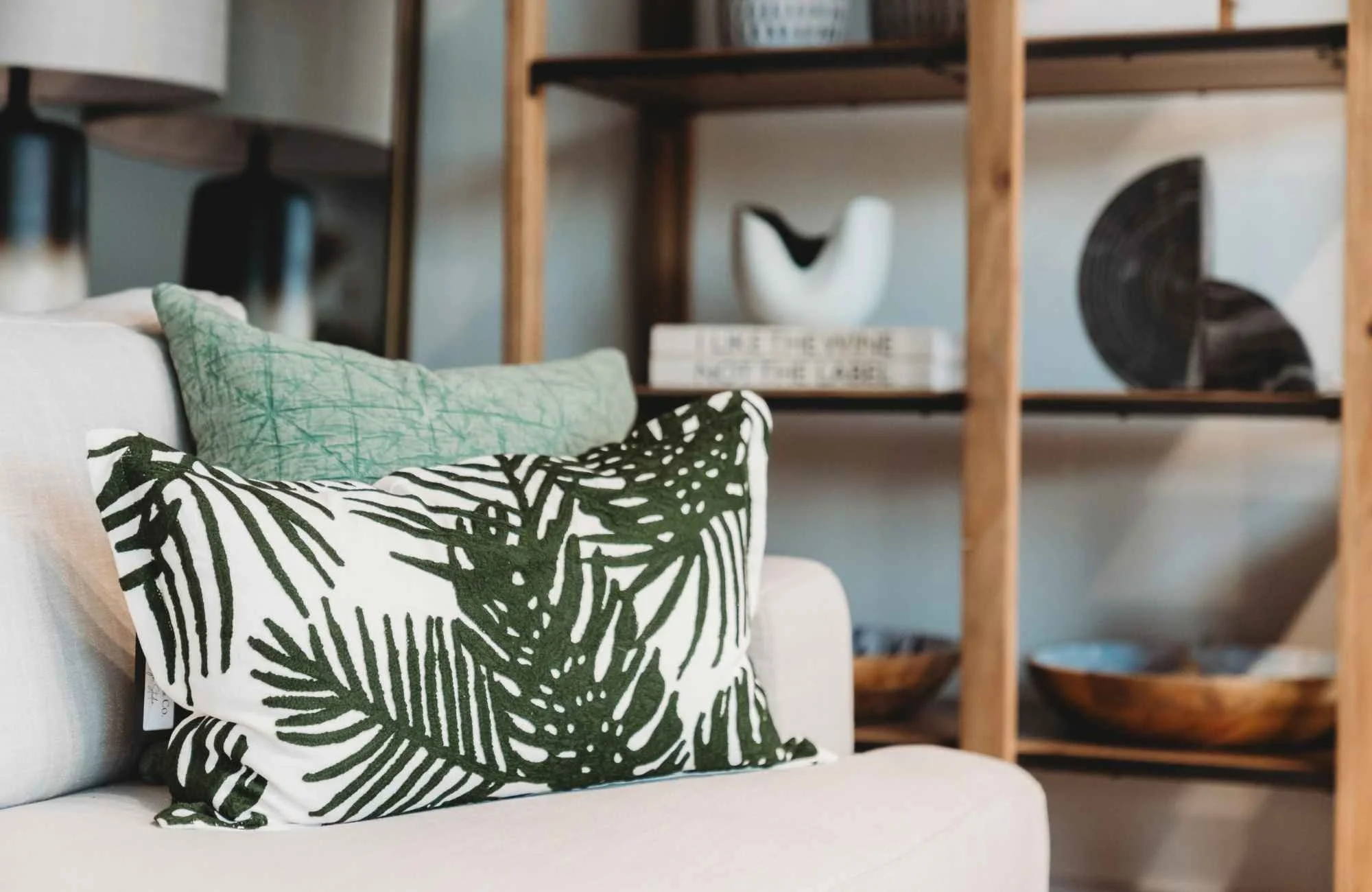
Mixing patterns in your home can feel a little intimidating, but when done right, it adds so much personality and depth to a space. It’s that secret ingredient that makes a room feel curated, stylish, and totally unique.
Not sure where to start? No worries—we’re sharing five simple steps to help you confidently mix and match patterns like a pro.
Step #1: Create a Curated Color Palette
Before diving into patterns, it’s super helpful to have a set color palette to keep everything feeling cohesive.
🎨 How to find your color scheme:
Look for inspiration in artwork, fabrics, or even nature.
Think about the vibe you want—soft and calming? Bold and energetic?
If your space already has dominant colors, use complementary shades to balance everything out.
➡️ Pro Tip: If you're stuck, Pinterest is your best friend for finding color combos you love!
Step #2: Choose a Piece to Anchor Your Design
To keep things from feeling random, start with one key piece to anchor your design. It could be:
✔ A rug with gorgeous patterns
✔ A bold wallpaper
✔ A piece of artwork that you love
From there, you can build around it, choosing patterns that tie into the colors of that main piece.
➡️ Pro Tip: If you’re new to mixing patterns, start small—try patterned throw pillows or curtains before committing to bigger pieces.
Step #3: Balance Patterns with Different Scales
One of the biggest design mistakes? Choosing patterns that are all the same size. It makes everything feel busy and overwhelming.
✨ How to balance patterns:
Pair a large-scale pattern (like a big floral or geometric rug) with a medium-sized pattern (like a striped chair) and a smaller accent pattern (like a delicate print on pillows or curtains).
This trick helps patterns work together instead of competing for attention.
➡️ Pro Tip: Mix structured patterns (like stripes or plaids) with organic ones (like florals or abstract designs) for contrast!
Step #4: Visualize the Design
It’s easy to love a pattern in the store but then get it home and think… What was I thinking?! That’s why visualizing first is key!
Ways to see everything together before committing:
✔ Gather fabric swatches & wallpaper samples
✔ Create a mood board with your colors and patterns
✔ Use 3D design tools if you’re tackling a bigger project
➡️ Pro Tip: Take photos of your samples in different lighting to see how they’ll look throughout the day.
Step #5: Bring It All Together on Install Day
Now for the fun part—seeing everything come to life!
✔ Layer in different textures to make the space feel cozy and inviting.
✔ Step back and check the balance—if something feels off, adjust as needed!
✔ Most importantly, have fun with it!
➡️ Pro Tip: Patterns feel more natural when you mix in solid colors to give the eye a place to rest.
For more design tips, read How to Customize Your Builder-Grade Home.
Worried About Mixing Patterns? Let’s Bust Some Myths.
🔹 "I don’t want my space to look chaotic."
→ Stick to three patterns max and use a unifying color palette.
🔹 "What if I mix the wrong prints?"
→ Pair structured patterns with organic ones for balance.
🔹 "I have no idea where to start!"
→ Start small—throw pillows, a patterned rug, or a single statement wall are all great entry points!
Need a Little Interior Design Help? Let’s Chat!
If mixing patterns feels overwhelming, we’ve got you! We love helping clients find that perfect balance of bold and beautiful.
Click here to schedule a personalized Interior Design Consultation—we’d love to help you bring your vision to life!
Want more design tips? Check out: How to Customize Your Builder-Grade Home
Until next time,
Rebecca & Christa
Not Local? We can still help!
Our Virtual Design Consultation gives you direct access to professional interior design guidance no matter where you live. Get expert design advice, personalized recommendations, and a clear action plan - all from the comfort of your home.